

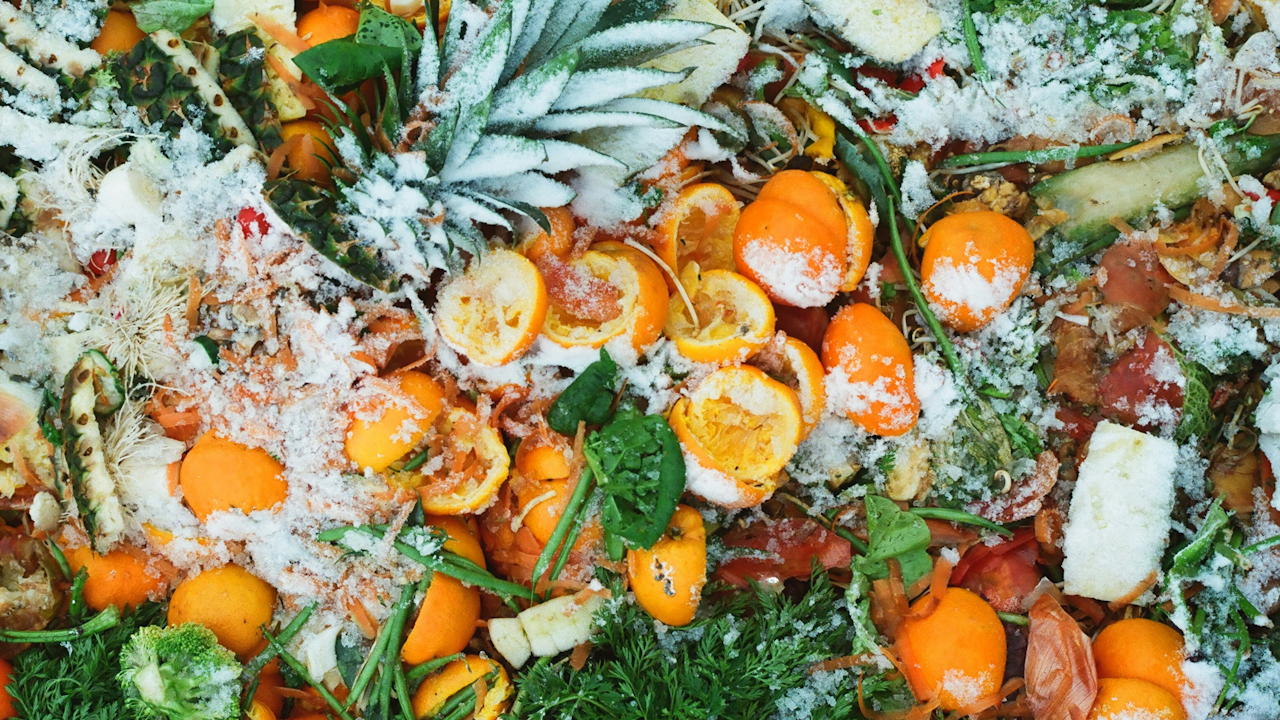
Food waste remains one of the most pressing environmental and economic challenges of our time. Globally, approximately one-third of all food produced for human consumption is lost or wasted, contributing to unnecessary greenhouse gas emissions, water usage, and resource depletion. In households, kitchen scraps from unused produce, leftovers, and expired pantry items account for a significant portion of this problem. Fortunately, technology has stepped in with innovative apps designed to tackle food waste at its source. These tools help consumers track inventory, share surplus food, rescue unsold meals from businesses, and generate recipes from what is already on hand. This article explores the landscape of food waste reduction apps, their features, real-world impact, and how they empower individuals to minimize kitchen scraps.
The Scale of the Problem and the Role of Technology
Households generate substantial food waste due to overbuying, poor planning, forgotten items in the back of the fridge, and uncertainty about storage and expiration dates. In many developed countries, consumers discard up to 40 percent of the food they purchase. This not only strains family budgets but also exacerbates climate change, as decomposing food in landfills releases methane, a potent greenhouse gas. Apps addressing this issue leverage smartphones’ capabilities, including cameras for scanning, GPS for local connections, artificial intelligence for recipe suggestions, and push notifications for reminders. By making sustainable habits convenient, these tools transform abstract environmental goals into daily actions that save money and reduce waste.
Marketplace Apps: Rescuing Surplus from Businesses
One category of apps focuses on connecting consumers with surplus food from retailers, restaurants, cafes, and bakeries. These platforms prevent perfectly edible items from being discarded at the end of the day.
Too Good To Go stands out as the leading app in this space. Founded in Copenhagen in 2016, it operates in numerous countries across Europe and North America. Users browse “Surprise Bags” of unsold food offered at a fraction of the original price, typically one-third or less. Businesses prepare these bags with items like pastries, sandwiches, groceries, or prepared meals that would otherwise go to waste. The process is straightforward: discover available bags nearby, purchase and pay through the app, then pick up at a designated time by showing a digital receipt. The app tracks personal impact, showing metrics such as money saved, carbon dioxide emissions avoided, and water conserved. With over 180,000 business partners, Too Good To Go has rescued millions of meals and earned recognition, including an Apple App Store award for cultural impact. It encourages users to try new foods from local spots while fighting waste.
Karma offers a similar model but emphasizes transparency. Instead of surprise bags, it lists specific discounted meals or items from participating eateries. Users can follow favorite venues and receive notifications when surplus becomes available. This approach appeals to those who prefer knowing exactly what they will receive. Availability is more limited geographically, often concentrated in urban areas like parts of the UK and Sweden, but it continues to expand.
Flashfood and similar regional apps target grocery stores, particularly for near-expiry or imperfect produce. These tools allow shoppers to buy discounted items directly through the app, often integrated with store loyalty programs. By moving surplus quickly, they help supermarkets reduce losses and give consumers access to affordable fresh foods.
Sharing Economy Apps: Community Connections for Surplus
Another powerful approach involves peer-to-peer sharing, turning household extras into community resources.
Olio excels in this category as a free app for sharing food and other household items locally. Users post photos of unwanted but edible food, whether home-cooked meals, pantry staples, or fresh produce nearing its best-by date. Neighbors within a short distance can request items and arrange pickup. Olio also partners with businesses, enabling volunteers to collect surplus from shops and redistribute it. The app extends beyond food to books, clothes, toys, and toiletries, promoting a broader culture of reuse. With millions of users worldwide, Olio fosters community bonds, reduces isolation, and has redistributed tons of food that would have been wasted. Testimonials highlight its role during cost-of-living pressures, where families save significantly on groceries while building neighborhood connections.
These sharing apps emphasize trust and safety through user ratings, clear guidelines on edible items, and local focus that minimizes travel emissions.
Inventory and Meal Planning Apps: Preventing Waste at Home
Many food waste issues originate in the kitchen itself. Inventory management apps address this by helping users know exactly what they have and when it needs to be used.
NoWaste provides dedicated lists for the fridge, freezer, and pantry. Users add items via barcode scanning, receipt photos, or manual entry, and the app tracks quantities and expiration dates. It generates shopping lists, suggests meals based on current stock, and sends reminders for items nearing expiry. Pro versions unlock advanced scanning for millions of products and unlimited lists. This systematic approach prevents overbuying and forgotten items, directly cutting household waste.
Kitche follows a similar philosophy with the tagline “Kitche it, don’t ditch it.” It allows easy import of products, recipe searches filtered by available ingredients, and personalized reminders. The app includes chef tips and rewards users for positive waste-reducing behaviors. Its focus on buying what you eat and eating what you buy makes it practical for busy households.
Other tools like Foodkeeper, developed with USDA input, offer storage guidelines, timelines, and cooking advice. Recipe-focused apps such as SuperCook or Oh A Potato scan or input fridge contents to suggest creative dishes, turning potential scraps into meals. Some incorporate AI for smarter recommendations, considering dietary preferences or family size.
Emerging Innovations and AI Integration
Newer apps push boundaries with artificial intelligence. Remy, for example, acts as an AI-powered meal planner that analyzes kitchen contents, predicts expiry, and generates weekly plans while suggesting missing items to purchase. Early claims suggest it can reduce household waste by up to 70 percent. Other developments include smart scanners for produce quality or integration with smart fridges for automatic tracking.
Broader ecosystem tools combine waste tracking with education. Apps like Love Food Hate Waste provide resources on date labels, storage, and portion control. Some allow users to log waste for personal insights or community challenges.
Benefits Beyond the Environment
These apps deliver multifaceted advantages. Financially, users report substantial savings through discounted purchases, fewer unnecessary grocery trips, and maximized use of existing stock. A family using multiple apps might save hundreds of dollars annually. Socially, sharing platforms build community resilience and combat food insecurity by redistributing edible items. Environmentally, each rescued meal avoids methane emissions and conserves resources used in production.
Challenges and Considerations
Despite successes, challenges exist. Availability varies by location, with urban areas benefiting more than rural ones. Surprise bag contents can sometimes disappoint, though variety encourages experimentation. Sharing apps require users to build habits around posting and collecting promptly for food safety. Data privacy and app reliability matter when handling personal shopping information. Adoption depends on awareness, so education campaigns complement the technology.
Getting Started and Maximizing Impact
To reduce kitchen scraps effectively, start with one or two apps that match your needs. Download Too Good To Go or Karma for immediate surplus rescues. Install an inventory app like NoWaste or Kitche to organize your pantry. Combine with Olio for sharing extras. Track progress over weeks to see reduced bin contents and lower bills. Pair apps with habits like meal prepping, proper storage, and understanding “best before” versus “use by” labels.
Businesses can also participate by joining marketplace platforms, which unlock revenue from surplus and enhance sustainability credentials.
Conclusion: A Tech-Enabled Future with Less Waste
Food waste apps represent a convergence of convenience, community, and conscience. By addressing kitchen scraps through marketplaces, sharing networks, and smart inventory tools, they make sustainability accessible to everyone. As technology evolves with better AI and wider adoption, these solutions promise even greater reductions in waste. Individuals hold significant power: small daily choices amplified by apps accumulate into meaningful global impact. Embracing these tools not only lightens the load on landfills but also enriches meals, budgets, and neighborhoods. The path to a less wasteful kitchen starts with a simple download and a commitment to use what we have. In the fight against food waste, technology provides the weapons, but human action delivers the victories.