

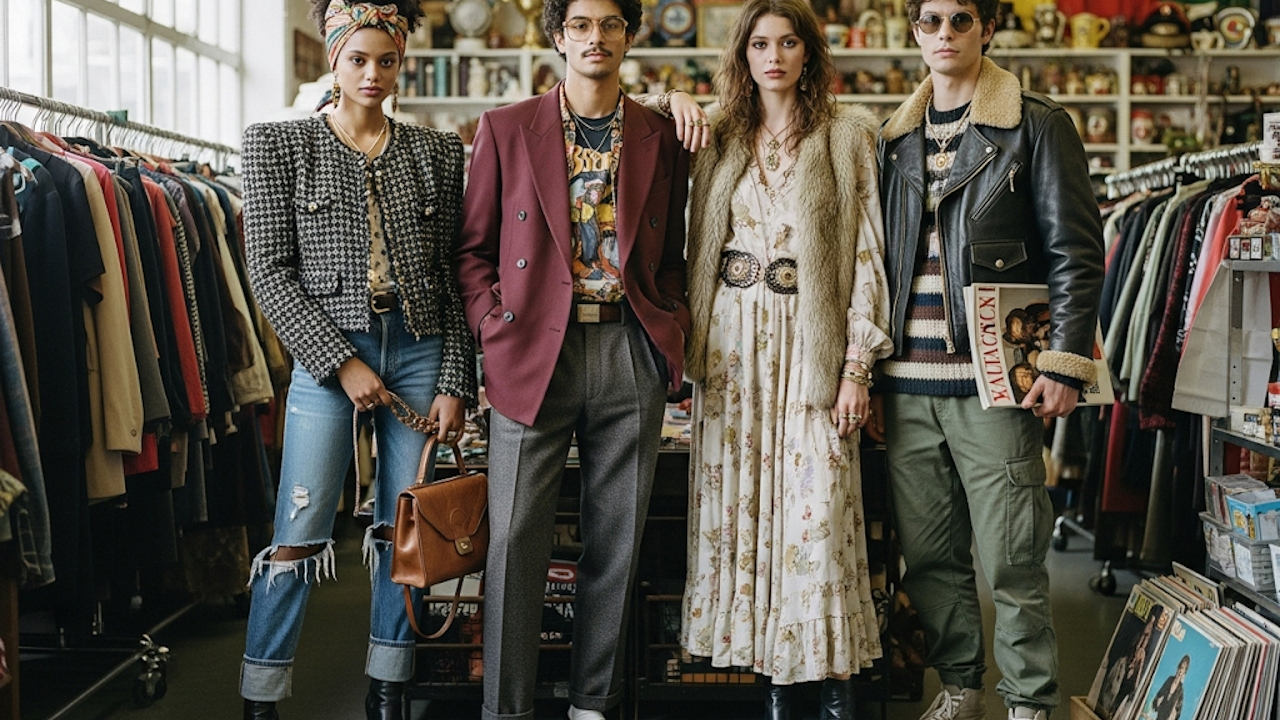
In the bustling aisles of thrift stores across the country, a quiet transformation is underway. What was once dismissed as a haven for castoffs has become a prime hunting ground for high fashion enthusiasts. Designer garments that originally retailed for hundreds or even thousands of dollars now sit patiently on crowded racks, waiting for the right person to recognize their value. This phenomenon, known as secondhand high fashion, blends sustainability, savvy shopping, and the thrill of discovery. Shoppers who master the art of thrifting can build wardrobes filled with pieces from Chanel, Gucci, Prada, and more without the premium price tags. The appeal lies not just in the savings but in the stories these items carry and the unique style they allow.
The rise of thrift store luxury has roots in broader cultural shifts. For decades, thrift stores served practical purposes. They provided affordable clothing to those in need and offered a second life to garments that might otherwise end up in landfills. Yet in recent years, attitudes toward secondhand shopping have evolved dramatically. Influencers on social media platforms showcase their hauls, celebrity stylists incorporate vintage finds into red carpet looks, and a new generation prioritizes environmental responsibility. Fast fashion’s environmental toll has pushed consumers toward more conscious choices, and high end labels have responded by launching their own resale programs. Still, independent thrift stores remain the beating heart of this movement, offering uncurated surprises that feel far more personal than algorithm driven online marketplaces.
What makes thrift stores such fertile ground for high fashion treasures? The sheer volume and variety play a key role. Donations arrive daily from estates, closet cleanouts, and retail overstock. Wealthy neighborhoods often yield the best results because residents part with items that have barely been worn. A single bag of clothing from a fashion forward donor might contain a silk blouse from Saint Laurent or a leather jacket from Balenciaga. These pieces enter the inventory alongside everyday wear, creating a treasure hunt dynamic that keeps shoppers engaged. Unlike department stores with their polished displays, thrift stores reward patience and knowledge. A garment might be tucked behind a row of basic tees or folded on a bottom shelf, its label hidden until examined closely.
Certain brands appear more frequently than others in thrift inventories. Italian houses like Gucci and Prada show up regularly because their bold designs and durable construction stand the test of time. French labels such as Chanel and Dior offer timeless elegance that transcends fleeting trends. American designers including Ralph Lauren and Calvin Klein provide accessible entry points into luxury with their preppy classics and tailored fits. Even more exclusive names like Hermès or Louis Vuitton occasionally surface, though these require extra vigilance to verify authenticity. Vintage pieces from the 1980s and 1990s often deliver the most striking finds, including power suits from Armani or flowing dresses from Oscar de la Renta that capture the era’s dramatic silhouettes.
Successful thrifting demands a strategic approach. Start by visiting stores in affluent areas or those near college campuses where fashion students frequently donate. Timing matters too. Many thrift organizations receive fresh donations on specific days, usually midweek, so plan visits accordingly. Early mornings after a restocking session increase the odds of spotting hidden gems before the weekend crowds arrive. Bring a tape measure to check sizing, as labels can be misleading on altered or vintage items. Always inspect seams, zippers, and hems for wear. High quality fabrics like silk, cashmere, and wool hold up better over time, so learn to recognize their texture and weight by touch.
Authentication forms a critical skill set for any serious thrifter. Counterfeit goods have infiltrated even the secondhand market, making label knowledge essential. Look for precise stitching, high grade hardware, and consistent branding. Chanel jackets, for instance, feature specific quilting patterns and serial numbers that can be cross referenced with online resources. Gucci’s interlocking Gs should align perfectly without gaps or blurring. When in doubt, compare the item against authentic examples through mental checklists developed from years of practice. Many thrift stores now offer return policies for higher ticket items, providing a safety net for cautious buyers.
The financial rewards of secondhand high fashion are undeniable. A wool coat from Burberry that once cost over a thousand dollars might appear on a thrift rack for thirty or forty. Evening gowns from Elie Saab or Zac Posen, perfect for special occasions, often sell for under a hundred. These savings allow shoppers to experiment with styles they might never afford new. A young professional can assemble a polished work wardrobe on a modest budget. A fashion student can build a portfolio of editorial worthy looks without debt. Even seasoned collectors expand their archives, acquiring rare archival pieces that appreciate in value over time.
Beyond economics, the environmental benefits resonate deeply in today’s climate conscious world. The fashion industry ranks among the largest polluters globally, with production and disposal contributing massive carbon emissions. Every garment rescued from a thrift store diverts waste from landfills and reduces demand for new manufacturing. A single cashmere sweater kept in circulation prevents the resource intensive creation of a replacement. This circular approach aligns with broader sustainability goals while delivering superior quality. Vintage and secondhand items frequently use natural fibers and superior construction techniques that outlast their fast fashion counterparts.
Personal stories of thrift store triumphs illustrate the magic of the hunt. One shopper in a small Midwestern town discovered a pristine 1960s Givenchy shift dress buried beneath a pile of polyester blends. The piece, complete with original tags, had likely been stored for decades before donation. Another enthusiast in Los Angeles uncovered a limited edition Louis Vuitton scarf from a collaboration with a renowned artist, priced at just five dollars. These finds often spark conversations and connections. Thrift store staff sometimes share insider knowledge about recent donations, while fellow shoppers exchange tips on care and styling.
Challenges exist, of course, and wise shoppers prepare for them. Sizing inconsistencies plague vintage clothing, particularly from eras when proportions differed from modern standards. A size eight from the 1980s might fit like a contemporary four. Alterations can resolve many issues, but they require additional investment. Condition varies widely as well. Moth damage, stains, or odors demand immediate attention through professional cleaning or repair. Some items prove too fragile for regular wear, better suited for display or special occasions. The time commitment also deters casual browsers. Hours spent sorting through racks can yield nothing on certain days, testing dedication.
To overcome these hurdles, experienced thrifters develop routines and mindsets that maximize success. They maintain wish lists of specific items or designers to stay focused amid the chaos. They photograph promising pieces for later comparison with online references. They build relationships with store managers who may set aside high value donations. Online communities dedicated to thrifting share photos of recent scores and offer advice on restoration techniques. These networks transform solitary hunts into shared experiences, fostering a sense of camaraderie among like minded fashion lovers.
The styling possibilities unlocked by secondhand high fashion encourage creativity. Mix a vintage Dior blouse with contemporary denim for an eclectic look. Pair a thrifted Hermès silk scarf with a simple white tee to elevate everyday attire. Layer a pre owned Prada trench over modern basics for instant polish. The uniqueness of each piece prevents the uniformity seen in fast fashion wardrobes. No two shoppers will assemble identical outfits, resulting in truly personal expressions of style. This individuality stands in refreshing contrast to the cookie cutter aesthetics promoted by social media trends.
Economic factors have further fueled the secondhand luxury boom. Inflation and rising living costs make new designer purchases feel extravagant for many. Meanwhile, the resale market has matured with dedicated platforms that validate authenticity, yet thrift stores retain their democratic charm by remaining accessible to all income levels. No membership fees or apps are required, just curiosity and sharp observation. This inclusivity broadens participation and democratizes fashion in meaningful ways.
As interest in secondhand high fashion grows, thrift stores themselves are adapting. Some have introduced dedicated designer sections or hosted special events featuring higher end donations. Others partner with local stylists for workshops on spotting quality and caring for luxury fabrics. These initiatives help preserve the core mission of affordability while educating new generations of shoppers. The result is a virtuous cycle where increased awareness leads to more careful curation and higher quality inventory.
Looking ahead, the future of thrift store treasures appears bright. Younger consumers entering the workforce bring heightened awareness of sustainability and value. They view clothing as an investment rather than a disposable commodity. Technological advances may soon assist in authentication through smartphone apps that scan fabrics or hardware. Yet the fundamental joy of the hunt will endure because it taps into something primal: the satisfaction of finding something extraordinary in an ordinary place.
Ultimately, secondhand high fashion transforms thrift shopping from a chore into an adventure. It rewards knowledge, persistence, and an open mind. Each successful find carries a sense of accomplishment that new purchases rarely match. The garments tell stories of previous owners, past eras, and changing tastes. By choosing thrift stores over retail racks, shoppers participate in a larger narrative of reuse, creativity, and conscious consumption. The racks may appear chaotic at first glance, but within them lie opportunities to dress with distinction, save money, and contribute to a more sustainable world. For those willing to invest the time and effort, the treasures await. The next Chanel jacket or Gucci bag could be hanging just around the corner in your local thrift store, ready to begin its next chapter in your wardrobe.