

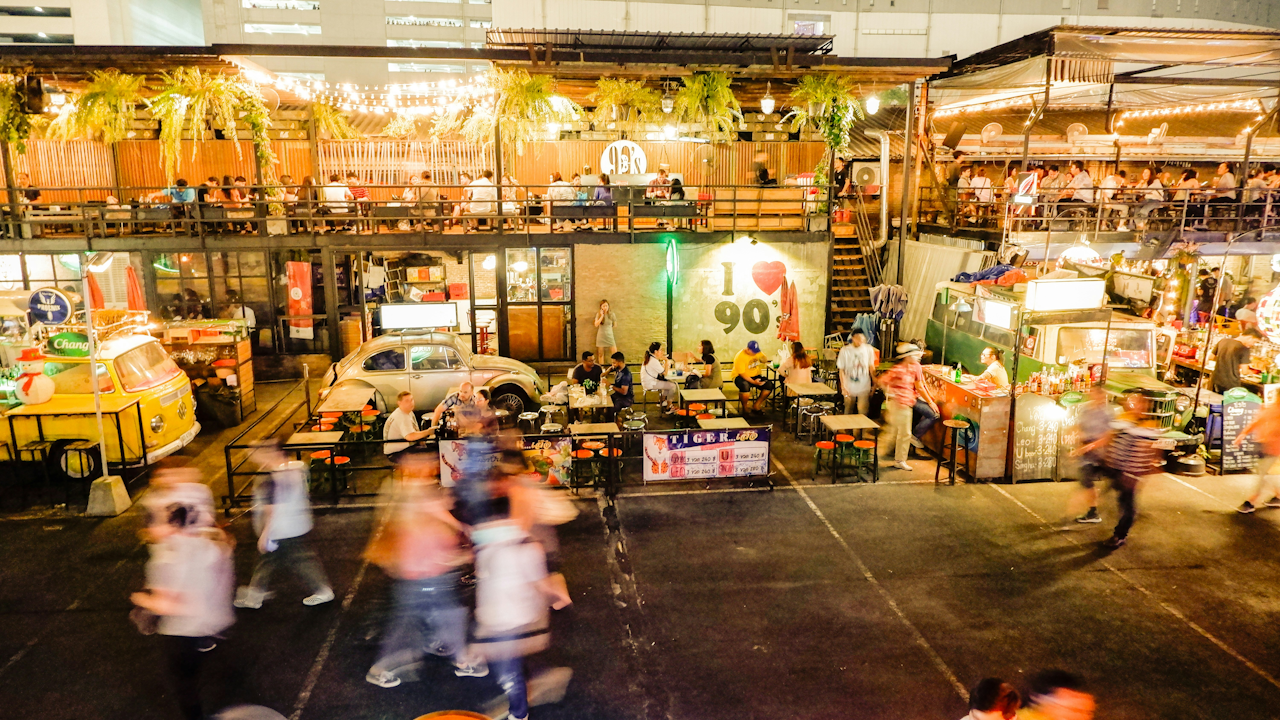
Food tourism has emerged as a powerhouse in global travel, transforming the way people explore the world. Rather than focusing solely on landmarks or beaches, travelers now seek out destinations where meals serve as gateways to culture, history, and community. In 2025, this trend reached new heights. According to industry reports, nearly one in five travelers plan trips specifically around new restaurants or culinary experiences, while half of global travelers book dining reservations before even securing flights. The global culinary tourism market continues its rapid expansion, driven by a desire for authenticity, sustainability, and immersive encounters that go beyond a simple plate of food. Whether through bustling street markets, hyper-local farm-to-table dinners, or innovative fine-dining venues that honor tradition while embracing modern twists, food has become the ultimate cultural ambassador.
Several key trends define food tourism in 2025. Sustainability stands front and center, with chefs emphasizing zero-waste practices, hyper-local ingredients, and plant-based innovations. Fusion cuisine blends global influences in unexpected ways, while fermentation and preservation techniques revive ancestral methods. Immersive experiences such as cooking classes, market tours, and chef-led foraging trips allow travelers to participate actively rather than observe passively. Michelin Guide expansions into new regions have spotlighted emerging scenes, and major events like world expos amplify visibility for cities with bold flavors. Street food remains a democratizing force, offering high-quality bites at accessible prices alongside elevated tasting menus. These elements combine to create journeys that nourish both body and soul, making 2025 an exceptional year for culinary adventurers.
Here are the top culinary destinations to consider for 2025, selected for their standout scenes, recent accolades, and unique offerings that capture the spirit of the moment. Each spot delivers a mix of tradition, innovation, and accessibility that rewards both casual eaters and dedicated food enthusiasts.
Tokyo, Japan, claims the top spot as the best city for food in the world according to 2025 readers’ choice awards. The sheer density of options astounds visitors, ranging from casual grab-and-go sushi counters to intricate multi-course kaiseki meals. Tsukiji Outer Market provides fresh sashimi and street snacks, while ramen shops serve hearty bowls late into the night, often paired with sake. Michelin-starred establishments push boundaries with seasonal ingredients and precise techniques. Neighborhoods like Shinjuku and Shibuya buzz with izakayas where locals share small plates. In 2025, Tokyo’s scene benefits from ongoing emphasis on precision and respect for ingredients, making it ideal for travelers who want to dive deep into Japanese culinary philosophy through everything from humble soba noodles to elaborate omakase counters. A visit might include a morning at a fish market followed by an evening of yakitori grilled over binchotan charcoal.
Lima, Peru, earns recognition as the world’s leading culinary destination for 2025. The city acts as a vibrant hub for the country’s diverse gastronomy, blending indigenous ingredients with Spanish, African, and Asian influences. Ceviche takes center stage, featuring fresh seafood cured in citrus with aji peppers and served alongside sweet potato and corn. Markets overflow with tropical fruits and heirloom potatoes, while restaurants like those pioneering modern Peruvian cuisine elevate staples such as lomo saltado or causa. Coastal influences shine in dishes built around octopus or scallops. Travelers can join ceviche-making workshops or explore the Andean-inspired tasting menus that highlight quinoa, purple corn, and native herbs. Peru’s award underscores its role in global food conversations, with sustainable practices and support for small producers adding depth to every meal. Food tours through historic districts reveal how centuries of migration shape today’s plates.
Bangkok, along with the islands of Koh Samui and Phuket in Thailand, forms a dynamic trio that captures Southeast Asian vibrancy. Bangkok boasts one of the world’s most extensive Michelin-recognized scenes, including the country’s first three-star restaurant. Street food stalls deliver pad Thai, green curry, and mango sticky rice amid the chaos of night markets. In Koh Samui, beachside spots emphasize farm-to-table menus with local coconuts and seafood, while Phuket blends Thai, Chinese, and Portuguese elements in aromatic curries and fresh satay. The White Lotus effect in 2025 has drawn attention to these areas, but the real draw remains the balance between casual hawker centers and refined dining. Visitors might start the day with boat noodles at a floating market and end it with a rooftop meal overlooking the Chao Phraya River. Thailand’s emphasis on bold flavors, fresh herbs, and communal eating makes it accessible yet endlessly surprising.
Mexico City continues to redefine Latin American cuisine by fusing street-level authenticity with sophisticated techniques. Tacos al pastor sizzle on vertical spits, while mole sauces simmer with dozens of spices and chocolate. Markets like Mercado de San Juan offer everything from chapulines to fresh tortillas. High-end venues such as those with two Michelin stars champion indigenous ingredients and ancestral methods, creating tasting menus that trace pre-Hispanic roots alongside contemporary creativity. In 2025, the Michelin Guide’s presence highlights this evolution, encouraging travelers to explore neighborhoods from Roma to Coyoacan for everything from tamales to innovative seafood dishes. Cooking classes focused on nixtamalization or mole preparation provide hands-on insight. The city’s energy ensures that every meal feels like a celebration of layered history and bold innovation.
Austin, Texas, emerges as a rising star in the United States thanks to its recent Michelin Guide inclusion. Barbecue reigns supreme, with brisket, ribs, and sausages smoked to perfection at spots that combine Texan tradition with global flair. Food trucks serve fusion creations ranging from Korean tacos to vegan comfort food. Farm-to-table restaurants prioritize local seasonal produce, while craft breweries and creative cocktail bars complement the meals. Live music venues often double as dining spots, creating a laid-back yet vibrant atmosphere. In 2025, Austin’s commitment to local ingredients and innovation cements its status as a must-visit for those seeking hearty yet refined experiences. A typical day might involve lining up for world-class barbecue in the morning and enjoying a chef-driven dinner paired with Texas wines in the evening.
Madrid, Spain, ranks high for its confident, all-day approach to eating. Churros dipped in thick hot chocolate provide a perfect breakfast, while jamón ibérico appears carved tableside with reverence. Tapas bars overflow with market-fresh plates, from patatas bravas to gambas al ajillo. Historic spots like Sobrino de Botín offer roasted suckling pig, and innovative chefs reinterpret classics using daily produce. The city’s walkable layout encourages grazing from one neighborhood to the next, with hidden gems often preferred by locals over tourist favorites. In 2025, Madrid’s food scene thrives on this blend of tradition and discovery, making it ideal for travelers who appreciate both casual bites and substantial feasts. A visit could include a morning market tour followed by sherry and pintxos in the evening.
San Sebastián, Spain, stands out for its extraordinary concentration of Michelin stars per capita. The Old Town’s narrow streets hide bars where patrons enjoy pintxos of anchovies, foie gras, or local cheeses atop bread. Fine-dining establishments deliver multi-course experiences that highlight Basque ingredients like txakoli wine, fresh seafood, and Idiazabal cheese. Affordable counters allow diners to stand and chat with chefs, creating an intimate, communal vibe. In 2025, the city’s reputation as a gastronomic capital draws those seeking both high-end precision and everyday excellence. Coastal influences ensure that every meal feels tied to the land and sea, whether through a simple grilled fish or an elaborate tasting menu.
Chiang Mai, Thailand, delivers an accessible and aromatic street-food paradise. Sizzling woks fill the air with the scent of fiery chilies, and night markets offer khao soi, a coconut-curry noodle soup, alongside sai ua sausage packed with herbs. Riverside dining under lantern light provides a serene counterpoint to the bustling stalls. Mountain views enhance hotel breakfasts featuring fresh fruits and regional specialties. Chiang Mai’s scene appeals to travelers who want to immerse themselves in northern Thai flavors without formality. In 2025, its consistent ranking among top food cities reflects the enduring draw of communal markets and hands-on experiences like cooking schools focused on curry pastes and sticky rice.
Osaka, Japan, known as the kitchen of the nation, pairs playful street eats with sophisticated dining. Takoyaki octopus balls and okonomiyaki savory pancakes dominate neon-lit districts like Dotonbori, while more than 200 Michelin-listed restaurants showcase everything from soba noodles to boundary-pushing kaiseki. The 2025 World Expo amplifies the city’s visibility, encouraging visitors to explore both casual and elevated options. Bold flavors and casual settings make Osaka approachable, yet its starred venues demonstrate technical mastery. Travelers often combine food crawls with temple visits, creating a balanced itinerary rich in contrast.
Cape Town, South Africa, rounds out the list as a melting pot of African, Dutch, Malay, and Indian influences. Waterfront grills serve steaks and fresh seafood paired with wines from the Cape Winelands. Markets brim with vibrant produce, and restaurants experiment with indigenous ingredients in modern formats. Babylonstoren offers immersive farm experiences that tie directly to the plate. In 2025, Cape Town’s growing profile highlights its role in pan-African cuisine and sustainable practices. Visitors can enjoy a braai barbecue one day and a refined tasting menu the next, all against a backdrop of dramatic landscapes.
These destinations illustrate how food tourism in 2025 bridges the everyday and the extraordinary. Travelers return home not only satisfied but enriched, with memories of shared tables, learned techniques, and flavors that tell stories of place and people. To make the most of a culinary journey, prioritize flexibility to follow local recommendations, embrace markets over guidebooks when possible, and engage directly with producers and chefs. Pack an open mind and a healthy appetite. The world of food awaits, ready to redefine what travel means in the years ahead.