

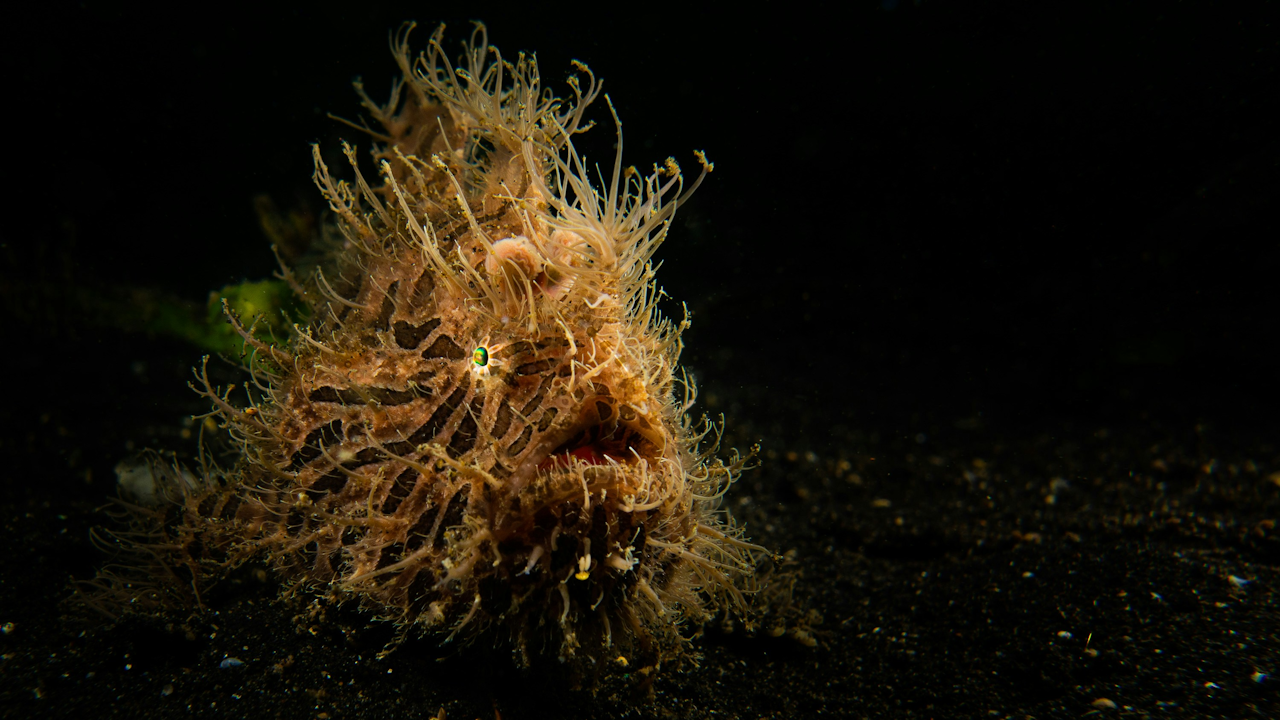
The natural world is full of creatures that have developed traits so bizarre they seem like inventions from a science fiction story. While popular animals like the platypus with its venomous spurs or the axolotl with its regenerative powers often steal the spotlight, countless other species possess adaptations that are equally astonishing yet rarely discussed outside specialized scientific circles. These traits have evolved over millions of years to solve specific survival challenges such as predation, reproduction, feeding, or enduring hostile environments. In this article we explore some of the most peculiar and underappreciated animal adaptations, diving deep into the biology, evolutionary context, and sheer strangeness of each one. Prepare to encounter organisms that challenge our understanding of what life can achieve.
The Pistol Shrimp’s Cavitation Bubble Weapon
One of the ocean’s most formidable hunters is the pistol shrimp, also known as the snapping shrimp. This small crustacean, typically only a few centimeters long, possesses a specialized claw that functions like a high powered pistol. When the shrimp snaps its oversized claw shut at incredible speed, it creates a low pressure bubble through a process called cavitation. The bubble collapses with such force that it generates temperatures approaching those on the surface of the sun for a tiny fraction of a second, producing a shockwave and a loud popping sound that can stun or even kill small prey like fish or other invertebrates.
What makes this adaptation particularly weird is the physics involved. The snap happens so quickly that it exceeds the speed of sound underwater, creating a flash of light known as sonoluminescence in some species. The shrimp does not even need to make direct contact with its target. The pressure wave alone does the damage. Different species have evolved slight variations in claw structure, with some using this ability primarily for hunting while others employ it for communication or territory defense. This sonic weapon allows the pistol shrimp to thrive in competitive reef environments where traditional hunting methods might be less effective. Researchers have studied these shrimps for their potential applications in underwater acoustics and even as models for new types of non lethal weapons.
The Tardigrade’s Extreme Survival Toolkit
Tardigrades, often called water bears or moss piglets, are microscopic animals that look like eight legged blobs under a microscope. Their most remarkable adaptation is cryptobiosis, a state of suspended animation that lets them survive conditions that would destroy almost any other life form. When faced with extreme dehydration, radiation, freezing temperatures, or the vacuum of space, tardigrades can expel nearly all the water from their bodies and curl into a protective tun. In this tun state their metabolism drops to almost zero, and they produce special proteins that shield their cells from damage.
What sets tardigrades apart is the sheer range of extremes they can endure. They have survived exposure to outer space on the exterior of satellites, recovered after being frozen at minus 272 degrees Celsius, and withstood radiation doses hundreds of times higher than what would kill a human. Some species can remain in cryptobiosis for decades before rehydrating and resuming normal activity as if nothing happened. Their genomes contain unique genes acquired through horizontal gene transfer from bacteria and other organisms, allowing them to produce antioxidants and repair DNA with exceptional efficiency. This adaptation makes tardigrades one of the toughest animals on Earth and a subject of intense study for astrobiology and medical research into radiation resistance.
The Sea Cucumber’s Evisceration Defense
Sea cucumbers are soft bodied relatives of starfish and sea urchins that inhabit seabeds worldwide. When threatened by predators, many species can perform a grotesque act called evisceration. They forcibly eject their internal organs, including parts of their digestive tract and respiratory trees, through their anus in a sticky, entangling mass. The expelled organs can distract or immobilize a predator long enough for the sea cucumber to crawl away. Remarkably, the animal can then regenerate the lost organs within a matter of weeks.
This self mutilation strategy is energetically costly but highly effective against fish and other marine hunters. Some sea cucumbers enhance the defense by making their ejected guts toxic or adhesive. Certain species even have specialized Cuvierian tubules that lengthen and become sticky upon contact with seawater. The regeneration process involves rapid cell proliferation guided by stem like cells, providing insights into tissue repair that could benefit regenerative medicine. While evisceration sounds suicidal, the sea cucumber’s body plan allows it to survive with minimal organs temporarily, highlighting how evolution can favor extreme measures for survival in predator rich environments.
The Horned Lizard’s Blood Shooting Ability
The horned lizard, native to North American deserts, has an adaptation that sounds like a horror movie special effect. When threatened by predators such as coyotes or birds, it can increase blood pressure in its sinuses until small blood vessels near its eyes rupture, shooting streams of blood up to several feet away. The blood contains foul tasting chemicals that deter attackers, and the sudden spray can startle them as well.
This ocular autohemorrhaging is triggered by specific muscles that restrict blood flow, building pressure rapidly. Different species vary in their ability, with some able to aim the spray directionally. The adaptation is particularly useful because horned lizards rely on camouflage and spines for primary defense but need a secondary weapon when those fail. Losing a small amount of blood does not significantly harm the lizard, and the sinuses heal quickly. This bizarre trait has fascinated herpetologists for its combination of chemical defense and startling visual display, making the horned lizard a standout among desert reptiles.
The Zombie Fungus Manipulation in Ant Brains
While not strictly an animal adaptation in the traditional sense, the interaction between the Ophiocordyceps fungus and carpenter ants represents one of nature’s most disturbing parasitic strategies. The fungus infects an ant and grows inside its body, eventually releasing chemicals that alter the ant’s behavior. The infected ant, acting like a zombie, leaves its colony and climbs to a high point on a leaf or twig before its jaws lock in a death grip. The fungus then sprouts from the ant’s head, releasing spores to infect other ants below.
What makes this adaptation so weird is the precision of manipulation. The fungus does not simply kill the host quickly. It hijacks the ant’s nervous system and muscles with exquisite control, forcing it to move to an ideal location for spore dispersal where temperature and humidity favor fungal growth. Genetic studies show the fungus produces compounds that mimic neurotransmitters, effectively turning the ant into a puppet. This co evolutionary arms race has produced some of the most complex behavioral manipulations known in nature, inspiring stories and films while offering lessons in parasitology and neurobiology.
The Lyrebird’s Vocal Mimicry Mastery
The superb lyrebird of Australian forests is a master impersonator. Males possess a complex syrinx that allows them to mimic not only the calls of dozens of other bird species but also man made sounds like chainsaws, camera shutters, and car alarms. During courtship displays, a male spreads its tail feathers into a lyre shape while singing a medley of copied sounds to attract females.
This vocal adaptation goes beyond simple mimicry. Lyrebirds can reproduce sounds with remarkable accuracy after hearing them only a few times, incorporating them into long, structured performances that can last over an hour. The ability likely evolved to demonstrate cognitive prowess and genetic fitness to potential mates. Females evaluate the variety and precision of the mimicry when choosing partners. Some researchers suggest that habitat complexity in dense forests favored the development of such elaborate vocal repertoires for communication over distance. The lyrebird’s talent makes it one of the most accomplished vocalists in the animal kingdom, far surpassing most parrots in flexibility.
The Glass Frog’s Transparent Skin
Glass frogs, found in Central and South American rainforests, have evolved skin on their undersides that is nearly transparent. This allows their internal organs, including the heart, liver, and digestive system, to be visible when viewed from below. When resting on a leaf with their legs tucked in, the frog blends seamlessly with the foliage because light passes through its body, matching the green of the leaf.
The transparency is achieved through specialized guanine crystals in the skin that reflect certain wavelengths while allowing others to pass through. This adaptation provides camouflage against predators looking up from below, such as snakes or birds. During the day the frog’s red blood cells are stored in the liver to further reduce visibility, and they are released back into circulation at night when the frog becomes active. Scientists continue to study the optical properties of this skin for potential applications in medical imaging and materials science. The glass frog’s see through body represents a striking example of how evolution can modify basic anatomy for concealment.
The Naked Mole Rat’s Cancer Resistance and Pain Insensitivity
Naked mole rats are burrowing rodents that live in large colonies in East African soils. They exhibit several unusual adaptations, but two stand out. First, they are almost completely resistant to cancer due to the production of high molecular weight hyaluronan, a substance that prevents cells from overcrowding and turning malignant. Second, they feel almost no pain from acid or certain inflammatory triggers because their nervous systems lack specific pain receptors that are common in other mammals.
These traits likely evolved in response to their harsh underground lifestyle, where they encounter high carbon dioxide levels that make tissues acidic and face risks of injury in tight tunnels. Naked mole rats also show negligible senescence, meaning they do not show typical signs of aging like declining fertility or increased cancer rates even after decades of life. Their social structure resembles that of insects, with a single queen and workers, which influences how these physiological adaptations are maintained across the colony. Research into their biology has implications for human longevity and oncology.
The Decorator Crab’s Living Camouflage
Decorator crabs in the Pacific Ocean actively adorn their shells with living organisms such as sponges, anemones, and algae. Using specialized hooked hairs on their bodies, they carefully select and attach these items, creating a mobile garden that provides both camouflage and chemical defense. Some species even transfer stinging cells from anemones to their own shells for added protection.
This behavior requires sophisticated sensory discrimination and learning. Crabs assess their surroundings and choose decorations that best match the local environment, changing their adornments when they move to new areas. The living camouflage is dynamic and renewable, unlike static patterns in other animals. Evolutionary biologists view this as an advanced form of tool use among crustaceans, demonstrating cognitive abilities once thought limited to higher vertebrates. The decorator crab’s habit turns its entire body into a walking ecosystem.
The Immortal Jellyfish’s Life Cycle Reversal
Turritopsis dohrnii, known as the immortal jellyfish, can revert its mature medusa stage back to a polyp stage when stressed by injury, starvation, or old age. This process, called transdifferentiation, involves changing specialized cells into different types, essentially resetting its biological clock. The jellyfish can repeat this cycle indefinitely, making it potentially biologically immortal.
This adaptation allows the species to survive unfavorable conditions by starting over rather than dying. While individual jellyfish can still be eaten or diseased, the reversal mechanism bypasses normal senescence. Scientists study the cellular mechanisms involved for clues about aging and stem cell research. The immortal jellyfish challenges fundamental assumptions about the directionality of life cycles in animals.
These examples represent only a fraction of the strange solutions evolution has produced. From microscopic survivors to sound producing hunters and self regenerating invertebrates, the diversity of life continues to surprise and inspire. Each adaptation tells a story of environmental pressures and creative biological responses. As research advances with new tools for genetic analysis and behavioral observation, more hidden wonders will undoubtedly come to light, reminding us that the weirdest adaptations are often the most effective ones for ensuring a species’ persistence across deep time.