

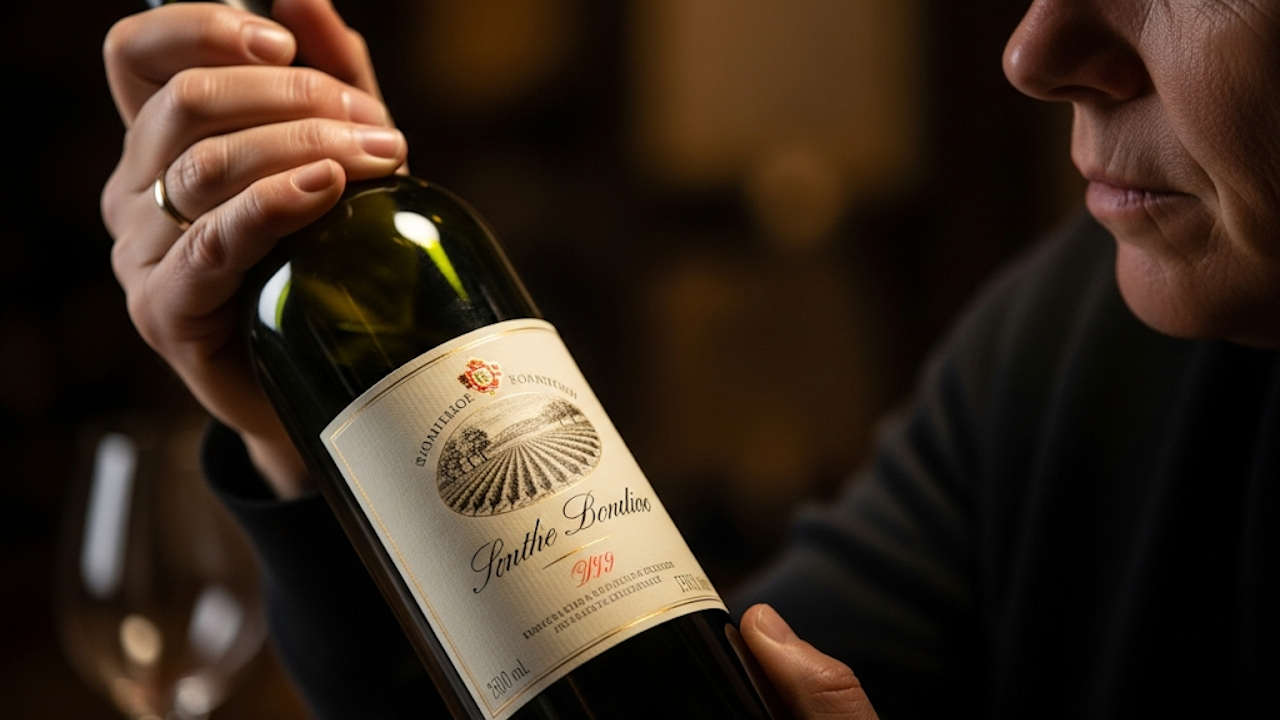
Wine labels can look intimidating. They feature fancy fonts, foreign words, coats of arms, and terms that sound like they require a sommelier certification to understand. The good news is you do not need to pretend to know what you are looking at. Reading a wine label is mostly about spotting a few key pieces of information that actually tell you what is in the bottle and whether you might enjoy it. This guide breaks it down plainly and practically so you can shop, order, and talk about wine with confidence.
Start With the Basics: What the Label Is Trying to Tell You
Every wine label has two sides: the front label and the back label. The front label is marketing. It is designed to catch your eye and make the bottle look premium. The back label often contains more useful facts, though even that can be flowery.
Focus first on these core elements that appear on almost every label:
- The producer or winery name
- The region or appellation
- The grape variety (sometimes)
- The vintage year
- The alcohol by volume (ABV)
- The volume of the bottle
These six items give you most of what you need to make a decent decision.
The Producer: Who Made It
The biggest or most prominent text on the label is usually the winery or producer name. Think “Chateau Margaux,” “Penfolds,” or “Duckhorn.” This tells you the company or estate responsible for the wine.
Knowing a few reliable producers in different price ranges helps. You do not need to memorize hundreds. Start by noticing which producers appear consistently in stores you trust or on restaurant lists. If a producer keeps making wines you like, buy more from them. Consistency is more valuable than chasing trendy names.
Some labels say “Estate Bottled.” This usually means the winery grew the grapes and made the wine on the same property. It is not a guarantee of quality, but it suggests more control over the process.
The Region: Where It Comes From
Wine is deeply tied to place. The region tells you about the climate, soil, and traditions that shaped the wine.
Old World wines (Europe) emphasize the region more than the grape. A red from Burgundy is likely Pinot Noir. A white from Chablis is Chardonnay. The label might say “Appellation Bourgogne Controlee” or similar protected designation terms.
New World wines (United States, Australia, Chile, Argentina, New Zealand, South Africa) usually list the grape variety front and center and are more straightforward about the region. You might see “Napa Valley Cabernet Sauvignon” or “Margaret River Chardonnay.”
Common regions to recognize:
- France: Bordeaux (blends of Cabernet and Merlot), Burgundy (Pinot Noir and Chardonnay), Rhone (Syrah, Grenache), Loire (Sauvignon Blanc, Chenin Blanc), Alsace (Riesling, Gewurztraminer).
- Italy: Tuscany (Chianti, Brunello), Piedmont (Barolo, Barbera), Veneto (Prosecco, Amarone).
- Spain: Rioja (Tempranillo), Ribera del Duero (Tempranillo), Rias Baixas (Albarino).
- United States: Napa Valley, Sonoma, Willamette Valley, Finger Lakes, Paso Robles.
- Australia: Barossa Valley (Shiraz), Margaret River (Cabernet and Chardonnay).
- Others: Marlborough (New Zealand Sauvignon Blanc), Mendoza (Argentinian Malbec).
If the label has a specific village or vineyard name, it generally indicates higher quality and more distinctive character, though it also costs more.
The Grape Variety: What Is Actually in the Bottle
Many New World labels shout the grape right on the front: “Pinot Grigio,” “Malbec,” “Zinfandel.” This is helpful for beginners because each grape has general flavor profiles.
- Cabernet Sauvignon: Black currant, green pepper, firm tannins.
- Merlot: Softer, plum, chocolate.
- Pinot Noir: Red cherry, earth, lighter body.
- Syrah/Shiraz: Black pepper, blueberry, full bodied.
- Chardonnay: Apple, pear, buttery or oaky depending on style.
- Sauvignon Blanc: Citrus, grass, crisp acidity.
- Riesling: Peach, lime, can be sweet or dry.
Old World wines often hide the grape. You learn the associations over time. Blends are common too. Bordeaux reds are mostly Cabernet Sauvignon and Merlot. Champagne is usually Chardonnay, Pinot Noir, and Pinot Meunier.
If the label does not list the grape, the back label or a quick search on your phone will usually tell you.
The Vintage: When the Grapes Were Harvested
The year on the label is the vintage. It matters more in some regions than others. In cooler climates or difficult years, the vintage can dramatically affect quality. In warm, stable regions it matters less.
Recent vintages are usually ready to drink. Older vintages (especially reds) may have developed more complex flavors but could also be past their peak. For everyday drinking, do not overthink vintage unless you are spending serious money or buying from famously variable regions like Burgundy or Bordeaux.
Non-vintage (NV) wines are blends from multiple years. This is common for sparkling wines and some value reds and whites. They tend to be consistent and affordable.
Alcohol Content: How Strong Is It
Look for the small text that says “Alcohol X.X% by Volume” or “Alc. X.X% vol.”
- Under 12.5 percent: Usually lighter, more acidic whites or some reds. Easier to drink multiple glasses.
- 12.5 to 13.5 percent: Standard for many European wines.
- 13.5 to 14.5 percent or higher: Common in California, Australia, and warmer climates. These feel richer and more powerful.
Higher alcohol wines can taste sweeter and more full-bodied even if they are technically dry. They also pair differently with food and can cause stronger headaches for some people.
Sweetness and Style Indicators
Dry versus sweet confuses many people. Most table wines are dry (no noticeable sugar). Labels rarely say “dry” unless it is important.
Look for these clues:
- “Dry” or “Trocken” (German) means little to no sugar.
- “Off-dry” or “Semi-dry” means some sweetness.
- Riesling, Gewurztraminer, and Chenin Blanc often have some residual sugar.
- German labels use Pradikats like Kabinett (light), Spatlese (sweeter), Auslese (even sweeter).
For sparkling wine, Brut is dry, Extra Dry is slightly sweet, Demi-Sec is noticeably sweet.
Other Useful Label Terms
Classifications:
- France uses Appellation d’Origine Protegee (AOP) or the older AOC.
- Italy uses DOC or DOCG (the stricter one).
- Spain uses DO. These indicate the wine comes from a regulated area and meets certain standards. Higher classifications generally mean more rules and potentially better quality, but talented winemakers can make great wine outside the rules too.
Organic, Biodynamic, Sustainable: These logos or words show farming practices. They do not guarantee better taste, but many people prefer them for environmental reasons.
“Reserve” or “Riserva”: This can mean the wine was aged longer or is a higher quality selection. Rules vary by country. In some places it is strictly regulated. In others it is mostly marketing.
“Old Vine”: Suggests grapes from mature vines that produce more concentrated flavors. Valuable when true.
Front Label Versus Back Label Strategy
Use the front label for quick scanning in a store. Check producer, region, grape, vintage, and price.
Flip to the back for importer information (in the US), more details on winemaking, and sometimes actual tasting notes. Importer names like Kermit Lynch or Louis/Dressner often signal interesting, well-chosen wines.
Avoid taking tasting notes on the back too literally. “Notes of blackberry and vanilla” is common marketing language. Your own nose and palate matter more.
Practical Shopping Tips
- Decide your budget first. Good wines exist at every price point from $10 to $100+.
- Tell the store staff or sommelier what you like rather than asking for “a good Cabernet.” Say “I like juicy reds with soft tannins” or “crisp whites with citrus.”
- Match the label to the occasion. Light wines for lunch, bigger ones for steak.
- Ignore the score stickers (90+ points) if they do not match your taste. Scores are subjective.
- Try wines from lesser-known regions when famous ones are too expensive. Portuguese Dao, Greek Assyrtiko, or Chilean Carmenere can offer great value.
- Take notes on your phone. Over time you will build preferences without pretending.
Common Ways Labels Try to Impress You
- Coats of arms and crests: Mostly decorative unless it is an old established estate.
- Script fonts and gold foil: Looks fancy but does not mean better wine.
- “Family owned since 1782”: Nice story, but check if the current wine delivers.
- Vague poetic descriptions: “Handcrafted with passion in harmony with the moon” sounds nice but tells you little.
Focus on facts over romance when deciding what to buy.
Building Real Knowledge Over Time
You do not need to become an expert overnight. Start by buying a few bottles with different grapes and regions each month. Taste them with simple food. Notice what you like and why.
Over years you will recognize patterns. You will know that a $20 Chianti Classico from a good producer will probably please you more than an unknown $40 Cabernet with a pretty label. That knowledge comes from paying attention to labels and remembering what was inside the bottles, not from memorizing French villages.
Wine is meant to be enjoyed with food and friends. The label is just a tool to help you find bottles you like consistently. Read the facts, ignore the fluff, and drink what tastes good to you. No pretending required.