

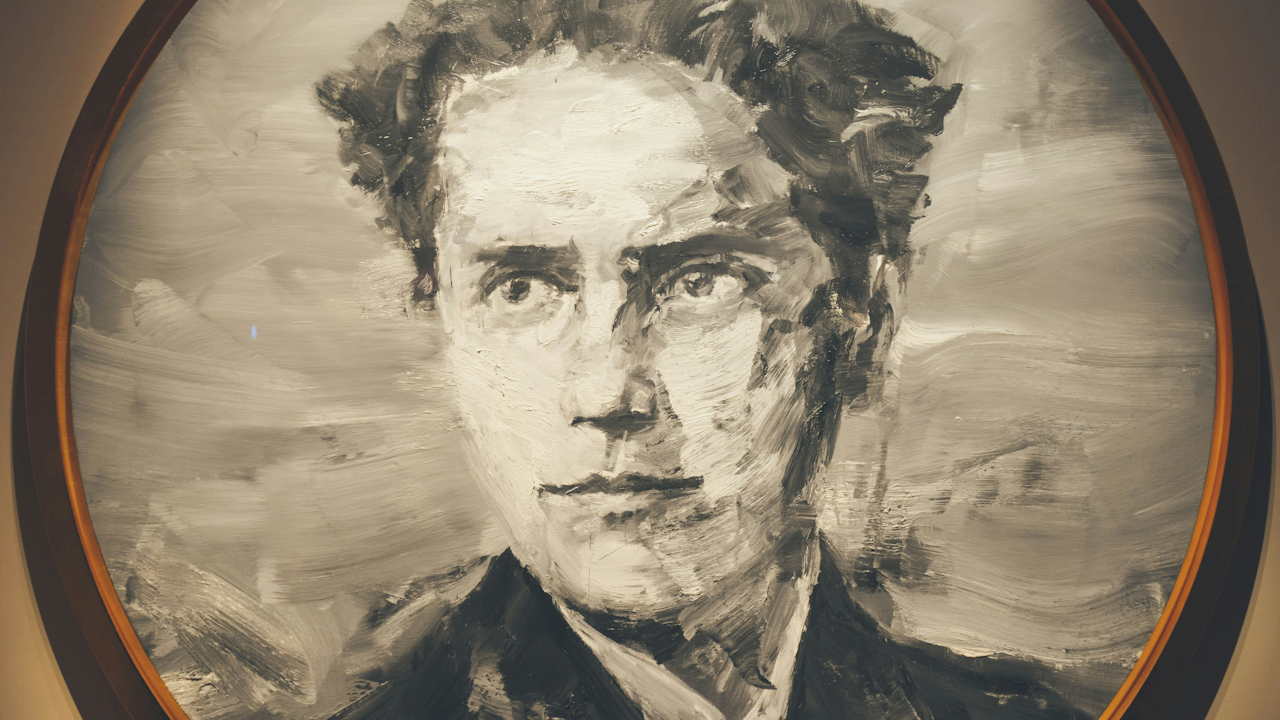
Portraiture stands as one of the most enduring and intimate forms of artistic expression. It captures not only the physical likeness of individuals but also their social status, emotions, psychological depth, and cultural context. From the meticulous oil paintings of the Renaissance to the digital algorithms of artificial intelligence today, portraiture has evolved in tandem with technological advancements, shifting societal values, and changing notions of identity. This article traces that journey across centuries, highlighting key movements, artists, and innovations that redefined how humans represent themselves and others.
The Renaissance marked a pivotal rebirth in portraiture, emerging in Italy during the 14th to 17th centuries and spreading across Europe. Artists moved away from the stylized, symbolic figures of the medieval period toward greater realism and humanism. The focus shifted to the individual as worthy of study in his or her own right. Leonardo da Vinci exemplified this shift with works like the Mona Lisa, completed around 1503 to 1506. The painting’s subtle sfumato technique blended light and shadow to create lifelike skin tones and an enigmatic expression that invited viewers to ponder the subject’s inner world.
Other masters such as Raphael and Titian advanced the genre by incorporating detailed backgrounds that reflected the sitter’s environment or achievements. Portraits during this era often served dual purposes: they documented the wealthy elite while conveying ideals of virtue, intelligence, and power. In Northern Europe, artists like Albrecht Durer and Hans Holbein the Younger brought precision to the form, using oil paints to render intricate textures in clothing and jewelry. The introduction of linear perspective and anatomical accuracy allowed portraits to feel three-dimensional and alive. Commissioned works frequently included symbolic elements, such as books to signify learning or animals to represent loyalty, embedding layers of meaning within the realistic facade.
As Europe transitioned into the Baroque period in the 17th century, portraiture embraced drama, emotion, and movement. The Counter-Reformation influenced religious and secular art alike, encouraging bold contrasts and theatrical lighting. Rembrandt van Rijn became a master of this style in the Dutch Golden Age. His self-portraits, numbering over 40, reveal an unflinching examination of aging and vulnerability. Using chiaroscuro, or strong light-dark contrasts, Rembrandt illuminated faces against dark backgrounds, drawing attention to psychological intensity. In “The Night Watch,” though a group portrait, he applied similar techniques to convey dynamism and individuality within a collective scene.
In Spain, Diego Velazquez produced court portraits for Philip IV that balanced flattery with honesty. His “Las Meninas” from 1656 complicates the genre by including the artist himself, the royal family, and a mirror reflection, questioning the very act of looking and being seen. Baroque portraiture often emphasized grandeur and sensuality, as seen in the works of Peter Paul Rubens, whose fleshy, vibrant figures celebrated vitality and abundance. This era expanded the audience for portraits beyond royalty to include merchants and professionals, reflecting a growing middle class.
The 18th century brought Rococo lightness and Neoclassical restraint. Rococo portraits, associated with French artists like Francois Boucher and Jean-Honore Fragonard, featured playful pastel colors, ornate settings, and flirtatious poses. These works captured the aristocratic leisure of the time, with an emphasis on elegance over depth. Marie Antoinette sat for numerous portraits that highlighted fashion and femininity amid pre-revolutionary excess.
In reaction to Rococo frivolity, Neoclassicism drew inspiration from ancient Greece and Rome. Jacques-Louis David led this movement with portraits that stressed moral clarity, simplicity, and civic virtue. His depiction of Napoleon Bonaparte conveyed imperial authority through clean lines and balanced composition. Romanticism followed in the early 19th century, prioritizing emotion and individualism. Francisco Goya’s portraits, such as those of the Spanish royal family, mixed realism with satire, exposing flaws and psychological turmoil. In Britain, Thomas Gainsborough and Joshua Reynolds portrayed the landed gentry in natural landscapes, blending idealization with a sense of personality.
The 19th century witnessed profound transformations driven by industrialization and scientific progress. Impressionism rejected the polished finish of academic art in favor of capturing fleeting moments and light effects. Claude Monet, Edgar Degas, and Pierre-Auguste Renoir painted portraits that prioritized atmosphere over precise detail. Degas’s depictions of ballet dancers and everyday women offered candid glimpses into modern life. Vincent van Gogh infused self-portraits with intense color and brushwork that externalized his emotional struggles, foreshadowing Expressionism.
Photography emerged as a disruptive force during this period. Invented in the 1830s and popularized by figures like Louis Daguerre, it provided a mechanical means of capturing likenesses quickly and affordably. Portrait studios proliferated, making images accessible to the middle and working classes. Artists responded in varied ways. Some, like the Pre-Raphaelites, maintained meticulous detail in opposition to photography’s flatness. Others integrated it into their practice. The advent of the camera challenged painters to explore what art could offer beyond mere representation, leading to greater abstraction.
Modernism in the early 20th century fractured traditional portraiture. Pablo Picasso’s Cubist works, such as his portraits of Dora Maar, broke subjects into geometric planes, reflecting the fragmented experience of modern life. Henri Matisse used bold colors and simplified forms to convey essence rather than likeness. Expressionists like Egon Schiele distorted bodies to explore alienation and sexuality. In the United States, the Harlem Renaissance produced powerful portraits by artists like Archibald Motley and Laura Wheeler Waring that celebrated Black identity and cultural pride.
Surrealism added dreamlike and symbolic layers, with Salvador Dali and Frida Kahlo creating introspective, often autobiographical works. Kahlo’s self-portraits, filled with personal symbolism drawn from Mexican culture and her physical pain, became icons of resilience and feminist expression. Abstract Expressionism later pushed portraiture toward non-representational forms, though artists like Willem de Kooning retained figurative elements in energetic, gestural paintings.
The postwar period and late 20th century saw portraiture diversify further. Pop Art, led by Andy Warhol, appropriated photographic techniques and mass media imagery. Warhol’s silkscreen portraits of celebrities like Marilyn Monroe turned individuals into commodities, critiquing consumer culture. Photorealists such as Chuck Close created enormous, hyper-detailed works based on photographs, blurring the line between painting and camera imagery. Close’s grid-based method highlighted the construction of identity through meticulous replication.
Feminist and postcolonial artists challenged Eurocentric norms. Cindy Sherman’s photographic series disguised herself in various roles, questioning gender and representation. Kehinde Wiley reimagined classical portrait poses with contemporary Black subjects, subverting historical power structures. Portraiture became a tool for activism, addressing race, gender, sexuality, and migration.
The digital revolution at the turn of the 21st century introduced new media. Video portraits, installations, and interactive works expanded the genre’s boundaries. Artists like Gillian Wearing created masked self-portraits that probed authenticity. Social media platforms turned everyday users into portraitists, with selfies becoming a global phenomenon that democratized self-representation while raising questions about curation and narcissism.
Today, artificial intelligence stands at the forefront of portraiture’s evolution. Generative AI models, trained on vast datasets of historical and contemporary images, can produce hyper-realistic or stylized portraits from textual prompts. Tools allow users to generate images of non-existent people or reimagine historical figures in new contexts. This technology offers unprecedented accessibility, enabling anyone to create professional-quality portraits without traditional skills or equipment.
AI portraiture builds on photography’s legacy by removing the need for a physical subject altogether. It raises profound questions about authorship, authenticity, and consent. When an AI generates a face, whose likeness does it draw from? Ethical concerns include deepfakes, bias in training data that may perpetuate stereotypes, and the devaluation of human artistic labor. Yet proponents highlight creative possibilities: artists collaborate with AI to explore hybrid forms, such as portraits that evolve in real time based on viewer interaction.
Contemporary practitioners blend traditional techniques with digital tools. Some painters use AI-generated references as starting points, while others critique the technology through works that expose its limitations or glitches. The medium continues to serve personal, commercial, and political ends. In an era of virtual identities and metaverses, portraits may represent avatars or data-driven composites of online behavior.
Throughout its history, portraiture has mirrored humanity’s self-understanding. The Renaissance celebrated the individual soul, the Baroque dramatized emotion, and modernism dissected perception. Each technological leap, from oil paint to the camera to neural networks, has expanded the possibilities while challenging previous conventions. As AI advances, portraiture may become more collaborative, instantaneous, and personalized than ever before.
The future remains open. Will AI lead to a new golden age of creativity or dilute the human connection at the heart of the genre? Regardless, the impulse to capture and convey identity persists. Portraiture endures because it reflects our enduring desire to be seen, remembered, and understood. From the quiet gaze of the Mona Lisa to algorithmically generated faces flickering on screens, it remains a vital record of who we are and who we aspire to become.