

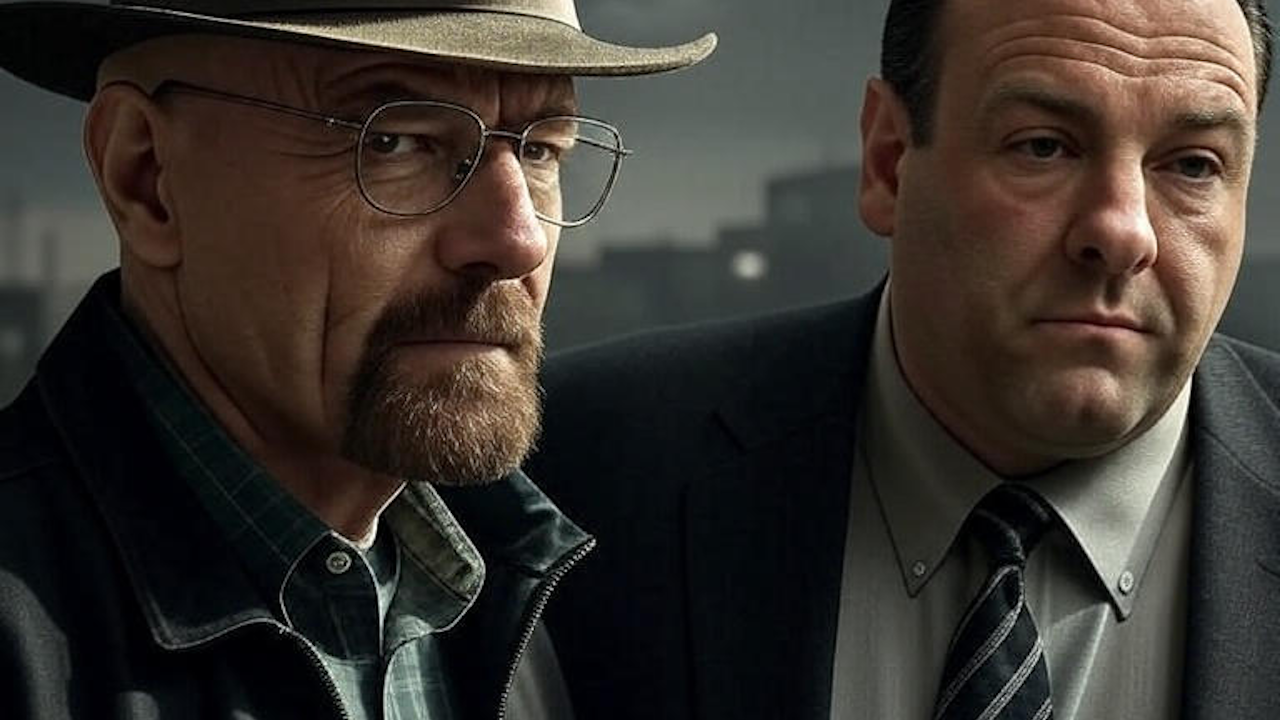
The landscape of television has undergone a profound transformation over the past three decades. Where once stories revolved around clear-cut heroes who embodied moral virtue and triumphed over obvious villains, modern series increasingly center on deeply flawed individuals who blur the lines between right and wrong. These characters, known as antiheroes, have become the defining figures of what many critics call the golden age of television. Their rise reflects broader shifts in storytelling, audience expectations, and cultural attitudes toward morality and human nature.
An antihero is a protagonist who lacks the conventional qualities of a traditional hero. Rather than displaying unwavering courage, selflessness, or moral clarity, the antihero often acts out of self-interest, commits unethical acts, or struggles with personal demons. Yet audiences root for them, not despite these flaws but frequently because of them. This complexity allows for richer narratives that mirror the ambiguities of real life.
Historical Roots and the Television Turning Point
Antiheroes have existed in literature for centuries, from Shakespeare’s Hamlet to Dostoevsky’s tormented characters in “Crime and Punishment.” In film, figures like those played by Humphrey Bogart in noir classics or Clint Eastwood’s Man with No Name brought moral grayness to the screen. Television, however, remained more constrained for much of its history due to network standards, advertiser pressures, and the need for broad appeal.
The shift began in the late 1990s and accelerated in the early 2000s. HBO’s “The Sopranos,” which premiered in 1999, is widely credited with ushering in this era. Tony Soprano, a New Jersey mob boss grappling with panic attacks and family issues, embodied the antihero archetype. He was a criminal who ordered murders yet attended therapy sessions and worried about his children’s futures. The series invited viewers to empathize with a man whose profession was inherently violent and exploitative. Creator David Chase crafted a character who was simultaneously monstrous and relatable, setting a template for future shows.
Following “The Sopranos,” cable and premium channels embraced similar protagonists. AMC’s “Breaking Bad” (2008-2013) took the concept even further with Walter White. A mild-mannered high school chemistry teacher diagnosed with cancer, White transforms into a ruthless methamphetamine kingpin. His journey from desperate family man to power-hungry criminal mastermind showcased how external pressures and internal flaws could erode a person’s principles. Actor Bryan Cranston’s nuanced performance made White’s descent both horrifying and captivating.
Defining Characteristics of Modern Antiheroes
What distinguishes contemporary television antiheroes from earlier examples is their psychological depth and narrative centrality. Shows devote entire seasons to exploring their contradictions. Don Draper in “Mad Men” (2007-2015) is a brilliant advertising executive whose success masks a troubled past filled with lies, infidelity, and identity theft. His charisma draws viewers in, even as his personal choices alienate those closest to him.
Similarly, Dexter Morgan in “Dexter” (2006-2013) operates as a vigilante serial killer who targets other murderers. His “code” provides a moral framework, but the series constantly questions whether his actions make him any better than his victims. The show’s appeal lay in the tension between Dexter’s dark urges and his attempts at normalcy as a father and brother.
In “House M.D.” (2004-2012), Dr. Gregory House is a brilliant diagnostician whose abrasive personality, addiction issues, and ethical shortcuts create constant conflict. Hugh Laurie’s portrayal highlighted how audiences could admire intellect and deductive skill while recoiling from the character’s cruelty.
These characters share several traits. They possess exceptional abilities or intelligence that set them apart. They face moral dilemmas that force difficult choices. Most importantly, they evolve in ways that challenge viewers’ initial sympathies. Walter White begins as a sympathetic figure but becomes increasingly unlikeable as his ego overtakes his original motivations. This evolution keeps audiences invested across multiple seasons.
The Streaming Revolution and Expanded Opportunities
The rise of streaming platforms like Netflix, Hulu, and Amazon Prime Video has accelerated the antihero trend. Without traditional broadcast restrictions, creators can explore darker themes, explicit content, and morally complex characters without fear of alienating advertisers. “House of Cards” (2013-2018) featured Frank Underwood, a scheming politician played by Kevin Spacey, whose ruthless climb to power involved manipulation, betrayal, and worse. The series tapped into public cynicism about government and ambition.
“The Boys” (2019-present) on Prime Video subverts the superhero genre by presenting deeply flawed “heroes” who abuse their powers and corporate-backed “supes” who are essentially celebrities with god complexes. Billy Butcher, the antihero leader of the vigilante group, seeks revenge but often crosses ethical boundaries himself. Homelander, one of the most popular characters, represents the terrifying potential of unchecked narcissism wrapped in patriotic imagery.
Animated series have also embraced the trend. “Rick and Morty” features Rick Sanchez, a brilliant but nihilistic scientist whose adventures with his grandson often result in chaos and destruction. His brilliance comes at the cost of empathy and responsibility. “BoJack Horseman” (2014-2020) on Netflix offered one of the most introspective takes on the antihero, following a washed-up actor whose depression, addiction, and past mistakes create a cycle of self-sabotage. The show’s willingness to make its protagonist genuinely unlikeable at times marked a bold departure from traditional expectations.
Cultural and Social Factors Driving the Phenomenon
Several factors explain why antiheroes resonate so strongly in modern television. First, audiences have grown weary of simplistic good-versus-evil narratives. In an era of complex global challenges, economic uncertainty, and political polarization, viewers appreciate stories that reflect moral ambiguity rather than provide easy answers.
Second, antiheroes allow for deeper character exploration. Traditional heroes often remain static or follow predictable redemption arcs. Antiheroes, by contrast, can fail, relapse, or make choices that have lasting negative consequences. This unpredictability creates tension and emotional investment.
Third, the format of television itself suits this storytelling. Unlike movies, which must resolve stories in two hours, series can track character development over years. Viewers witness gradual transformations, making the antihero’s journey more believable and impactful.
Societal changes have also played a role. Greater awareness of mental health issues has made characters struggling with depression, trauma, or addiction more relatable. Shows like “Fleabag” (2016-2019) feature protagonists who engage in self-destructive behavior while maintaining a sharp wit and self-awareness that endears them to audiences despite their flaws.
The success of antihero-driven shows has influenced broader pop culture. “Game of Thrones” (2011-2019) populated its world with morally gray characters, from Jaime Lannister’s redemption arc to Tyrion Lannister’s mixture of wit, cynicism, and occasional ruthlessness. Even in ensemble casts, antiheroic qualities have become standard rather than exceptional.
Impact on Audiences and Industry Standards
The popularity of antiheroes has reshaped audience expectations. Viewers now demand complexity and authenticity over clear moral messaging. This shift has elevated television as an artistic medium comparable to literature or film. Emmy awards and critical acclaim increasingly recognize performances that capture moral ambiguity rather than straightforward heroism.
However, this trend has drawn criticism. Some argue that centering deeply flawed characters normalizes unethical behavior or provides excuses for immorality. Others contend that the focus on antiheroes, who are often white, male, and middle-aged, limits diversity in storytelling. Recent years have seen efforts to diversify the archetype, with female antiheroes like Villanelle in “Killing Eve” or the complicated women in “Succession” and “The Crown.”
“Succession” (2018-2023) offers a fascinating study in family dynamics and power. Characters like Kendall Roy embody ambition mixed with vulnerability, creating sympathy even as they engage in cutthroat corporate warfare. The show’s refusal to offer simple heroes or villains reflects sophisticated writing that trusts audiences to form their own judgments.
Challenges and Future Directions
Despite their dominance, antiheroes present storytelling challenges. Writers must balance likability with authenticity. If a character becomes too despicable, audiences may disengage. Conversely, excessive redemption can undermine the premise. Successful shows navigate this by grounding actions in psychology and circumstances while maintaining consequences.
The antihero trend shows no signs of fading. Upcoming series continue to explore variations on the archetype. As society grapples with issues like artificial intelligence, climate change, and social media influence, future antiheroes may reflect these contemporary pressures.
Some creators have begun experimenting with subverting the antihero formula. Shows that critique the glorification of such characters or explore their impact on secondary figures offer fresh perspectives. The evolution continues as technology, distribution methods, and cultural conversations shape what stories get told.
Why Antiheroes Matter
The proliferation of antiheroes in modern television represents more than a passing trend. It signals a maturation of the medium and a willingness to confront uncomfortable truths about human nature. By presenting protagonists who are capable of both great harm and moments of genuine connection, these stories challenge viewers to examine their own moral frameworks.
In Tony Soprano’s therapy sessions, Walter White’s laboratory transformations, or Don Draper’s moments of creative brilliance shadowed by personal failure, audiences see reflections of universal struggles. The antihero does not offer easy inspiration but rather a mirror to our complexities.
As television continues to evolve with new platforms and technologies, the antihero will likely remain central. Their rise has enriched storytelling by embracing nuance over simplicity, darkness alongside light, and imperfection as the truest form of humanity. In doing so, they have helped establish television as the premier narrative art form of the 21st century, capable of exploring the full spectrum of human experience with unprecedented depth and honesty.