

In 2025, something remarkable happened in the music industry. Vinyl record sales in the United States crossed the one billion dollar mark for the first time since 1983, reaching 1.04 billion dollars according to the Recording Industry Association of America. That figure represented a 9.3 percent increase from the previous year and marked the 19th straight year of growth for a format once left for dead. Nearly 47 million new vinyl units flew off shelves, easily outpacing CDs by a wide margin. What makes this surge even more striking is who is driving it: Generation Z, the cohort born between 1997 and 2012, the very group that grew up with smartphones in their hands and streaming services at their fingertips. These digital natives are not just buying records. They are embracing them with a passion that has turned a nostalgic curiosity into a full blown cultural renaissance.
To understand the depth of this revival, it helps to step back and trace the path vinyl has traveled. Invented in the 1930s and popularized after World War II, vinyl records dominated the music market for decades. They offered a rich analog sound and large format artwork that made albums feel like complete artistic statements. By the late 1970s, vinyl accounted for the vast majority of music sales. Then came the cassette tape, followed by the compact disc in the 1980s, and finally digital downloads and streaming in the early 2000s. Vinyl seemed destined for the dustbin of history. Sales plummeted to a low point in the early 2000s, when the format generated barely 14 million dollars annually. Record stores closed in droves, pressing plants shuttered, and turntables became relics found only in thrift shops or grandparents attics.
Yet here we are in 2026, and vinyl is not only surviving but thriving. Independent record shops have reopened or expanded in cities across the country. Major artists routinely release limited edition pressings that sell out in hours. Taylor Swift alone moved over a million and a half vinyl copies of one recent album. Even newer acts like Sabrina Carpenter have seen their physical releases contribute meaningfully to chart success. The numbers tell a story of sustained momentum. Between 2018 and 2025, vinyl revenue nearly tripled while streaming growth slowed to single digits. In the United Kingdom, similar trends hold, with sales climbing steadily and younger buyers leading the charge. This is no fleeting fad. It is a deliberate shift in how a generation consumes culture.
So why exactly are members of Gen Z, who have never known a world without instant access to every song ever recorded, choosing to spend their money on heavy, fragile discs that require a needle, a turntable, and a fair amount of patience? The answers are as layered as the grooves on a well worn LP. At the heart of it lies a profound reaction against the very digital world they inherited. Gen Z has spent their formative years glued to screens, scrolling through algorithm fed playlists on Spotify or Apple Music. Music arrives instantly, endlessly, and often for free or at a low monthly cost. Yet that abundance has bred a quiet exhaustion. Studies and surveys consistently show that many young people feel overwhelmed by the sheer volume of content and the constant pressure to stay online. Vinyl offers an antidote: a finite, intentional experience that demands presence.
Consider the ritual itself. Dropping the needle onto a record is not passive consumption. It is an event. You select an album from your shelf, slide it from its sleeve, place it on the platter, and lower the tonearm. The faint crackle as the stylus meets vinyl fills the room before the music even begins. There are no skip buttons, no autoplay suggestions, and no notifications interrupting the flow. One side plays for roughly 20 to 25 minutes, after which you must physically flip the disc. That enforced pause encourages deeper engagement. You might read the liner notes, study the cover art, or simply sit with the sound. For a generation raised on multitasking, this slow pace feels revolutionary. It is mindfulness disguised as entertainment. The Vinyl Alliance, an industry group that surveyed thousands of fans, found that half of Gen Z respondents cited vinyl as a way to break from digital life. Sixty one percent said it improved their mental well being, a higher rate than Millennials or Gen X.
Sound quality plays a role too, though opinions on this vary. Many enthusiasts argue that analog warmth cannot be replicated by digital compression. Vinyl captures nuances, dynamic range, and a certain organic texture that streaming files often flatten. Bass feels fuller, highs shimmer with more life, and the imperfections add character. Not everyone hears it that way, of course. Blind tests sometimes fail to distinguish formats when volume and equipment are matched. Yet perception matters. To a Gen Z listener weary of pristine but soulless MP3s, the subtle imperfections of vinyl can feel more authentic, more human. It is music with a heartbeat rather than a perfect algorithm.
Then there is the aesthetic dimension. Vinyl is not merely audio. It is visual and tactile art. The 12 inch square sleeves function as miniature posters, often featuring bold photography, intricate illustrations, or gatefold designs that unfold like stories. Gen Z buyers frequently display their collections on dedicated walls, turning living spaces into personal galleries. Surveys indicate that over half of younger collectors appreciate vinyl for its decorative value, and nearly 40 percent use it explicitly as home decor. Even those who do not own turntables, a surprising 28 to 40 percent of Gen Z record buyers according to industry reports, still purchase albums. They treat them as collectible objects that signal taste and identity. In an era where digital ownership feels ephemeral, a physical record offers permanence. You can hold it, trade it, or pass it down.
Social media has amplified this appeal in ways no one predicted. TikTok, in particular, has become a vinyl discovery engine. Short videos show users unboxing limited editions, flipping through record bins, or staging satisfying needle drops. Hashtags like vinyltok and recordcollection rack up billions of views. Influencers share their setups, from budget turntables to high end audiophile rigs, and artists respond by creating colorful, collectible pressings tailored to fan communities. What begins as a 15 second clip can lead to real world purchases. A Gen Z shopper might hear a song on a streaming playlist, see it featured in a viral TikTok, and then seek out the physical album for the full experience. This loop blends old and new seamlessly. Streaming serves as the gateway, while vinyl becomes the destination.
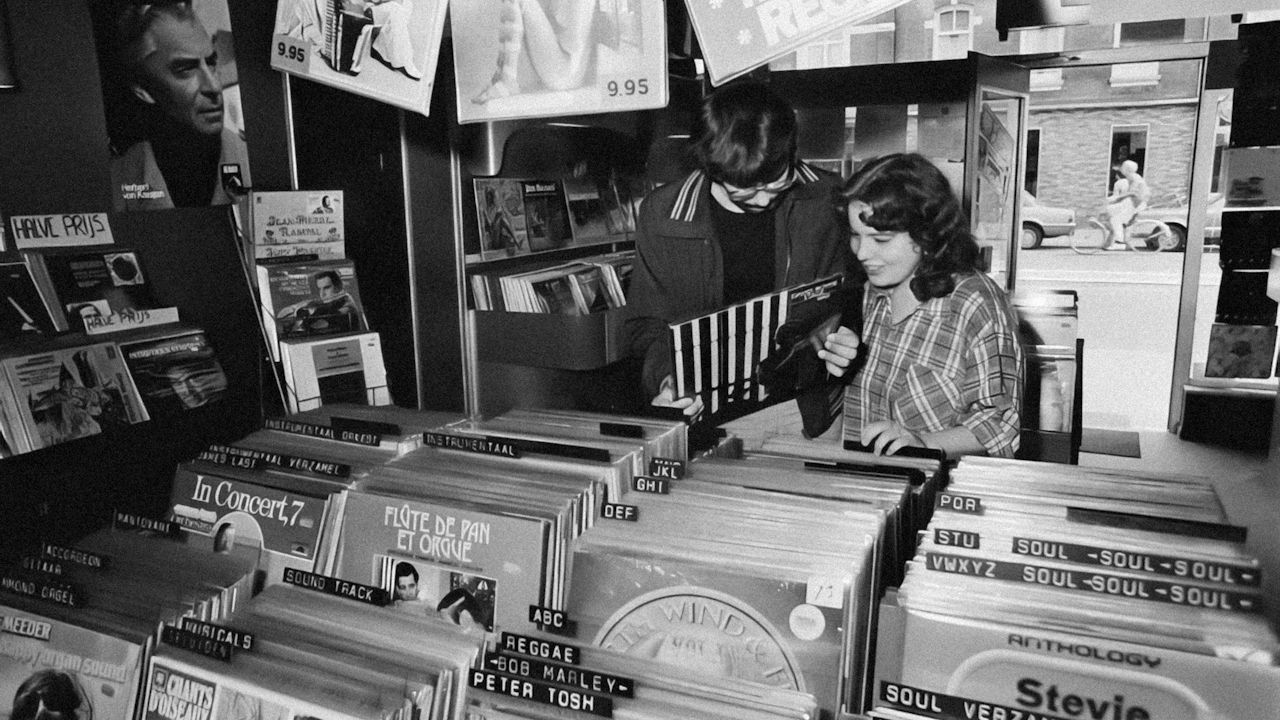
Community also binds the movement. Record stores have evolved into social hubs where Gen Z gathers not just to shop but to connect. Employees often double as curators, recommending obscure releases or hosting listening parties. Flea markets and record fairs draw crowds of young people swapping stories and scores. Online forums and Discord servers buzz with discussions about pressing quality, cleaning techniques, and the hunt for rare variants. This sense of belonging contrasts sharply with the isolation many associate with endless online scrolling. Vinyl fosters real conversations, shared discoveries, and even intergenerational bonds. Parents who once played records for their kids now watch those same children build their own collections.
Economic factors enter the picture as well. While streaming subscriptions are cheap, they provide no lasting ownership. A vinyl record, by contrast, feels like an investment in an artist. Sales directly support musicians more tangibly than a fraction of a penny from a stream. Many Gen Z fans prioritize buying from independent labels or local shops to keep money circulating within the ecosystem they value. Limited runs create scarcity, which heightens desire. Special colored vinyl, picture discs, or autographed editions turn collecting into a hobby akin to trading cards or sneakers. The average price has risen, climbing to around 37 dollars for a standard LP by 2025, yet demand has not slowed. Buyers see the cost as part of the commitment.
Critics sometimes dismiss the trend as superficial or performative. They point out that some records sit unplayed on shelves, serving more as props than playback devices. Environmental concerns arise too. Vinyl production relies on petroleum based PVC, and the surge in manufacturing has increased waste and energy use. Supply chain issues have led to long wait times for popular releases. Not every young buyer invests in proper equipment or learns how to maintain it, leading to damaged goods and frustration. Yet these drawbacks have not dented enthusiasm. Many collectors buy used records to reduce impact, and advocacy groups push for greener pressing methods. The core appeal remains intact because the format satisfies deeper yearnings that streaming cannot touch.
Looking ahead, the vinyl revival shows no signs of fading. Projections suggest continued growth through the next decade, with sales potentially doubling again by 2035. Technology is adapting rather than competing. Bluetooth turntables make the format accessible to apartment dwellers without complicated setups. Apps allow digital archiving of collections for portability while preserving the physical centerpiece. Hybrid experiences, such as record store live streams or augmented reality album apps, blend analog charm with modern convenience. Younger artists are designing releases with Gen Z in mind, incorporating interactive elements or eco friendly materials.
In the end, Gen Z love for vinyl reveals something profound about their relationship to the world. They have grown up amid climate anxiety, economic uncertainty, and a digital landscape that promises connection but often delivers comparison and burnout. In choosing vinyl, they reclaim agency. They choose slowness over speed, tangibility over transience, and curation over consumption. The old school format becomes a quiet act of rebellion and self care. It reminds us that progress does not always mean faster or smaller or more virtual. Sometimes the future lies in rediscovering what was already beautiful.
This revival is more than a sales chart anomaly. It is a cultural recalibration. As Gen Z steps into adulthood, they carry with them a renewed appreciation for the physical and the imperfect. Their record collections stand as testaments to a generation that refused to let go of something real in a world that tried to digitize everything. The needle drops, the music plays, and in that simple act, the past and present spin together in perfect harmony. Vinyl is back, and it has never sounded better.