

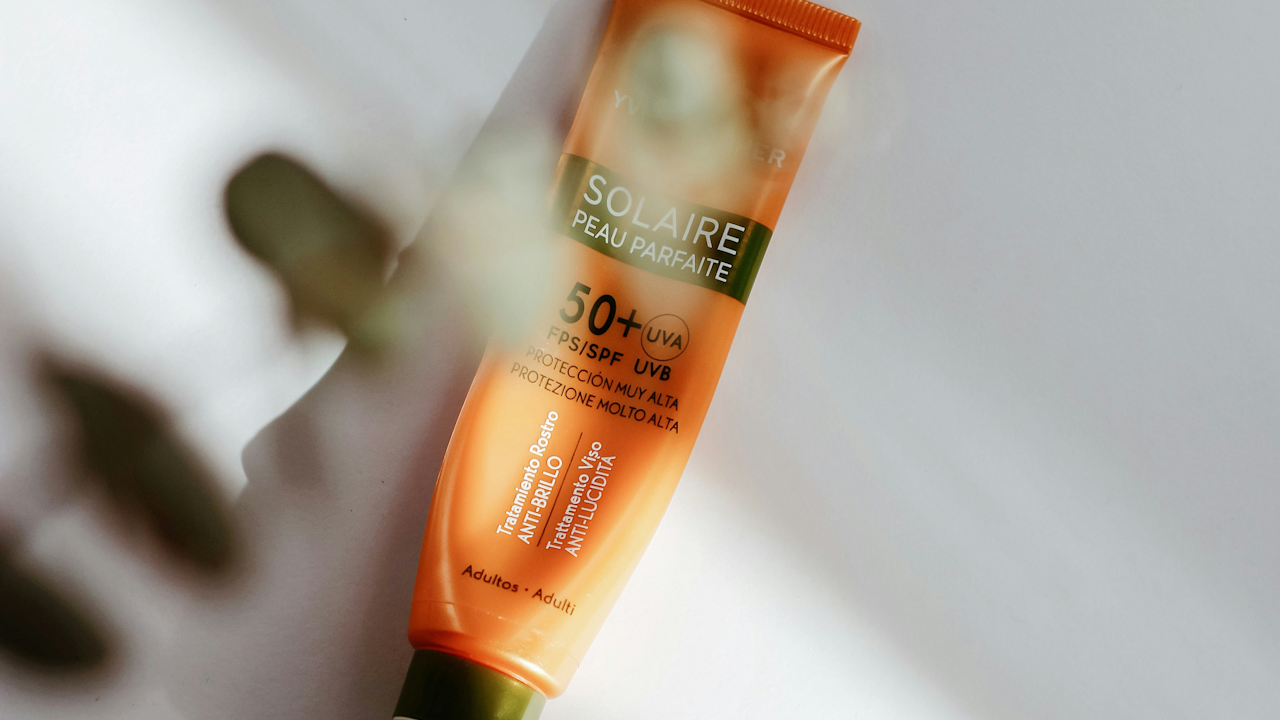
Sun Protection Factor, commonly known as SPF, appears on nearly every bottle of sunscreen. Consumers see numbers like 15, 30, 50, or even 100 and assume higher numbers deliver proportionally better protection. Yet the reality involves more nuance rooted in the physics of ultraviolet radiation, how human skin responds to it, and standardized testing methods. This article explores the science of SPF in depth, clarifying what the numbers signify, how protection works, common misconceptions, and practical advice for effective use.
Understanding Ultraviolet Radiation and Skin Damage
The sun emits various forms of radiation, but ultraviolet (UV) rays pose the greatest risk to skin. UV radiation divides primarily into UVA and UVB rays that reach Earth’s surface (UVC is mostly absorbed by the atmosphere).
UVB rays have shorter wavelengths and primarily affect the outer layers of the skin. They cause sunburn, contribute directly to skin cancers such as squamous cell carcinoma, and play a role in melanoma. UVB intensity varies with time of day, season, latitude, and altitude. Peak exposure occurs around midday.
UVA rays possess longer wavelengths, penetrate deeper into the skin, and cause premature aging, wrinkles, and loss of elasticity. They also contribute to skin cancer and exacerbate damage from UVB. UVA rays remain relatively constant throughout the day and penetrate clouds and glass more easily than UVB.
Both types damage DNA in skin cells. The body’s repair mechanisms fix some damage, but repeated exposure leads to mutations, inflammation, and increased cancer risk. Melanin, the pigment responsible for skin color, offers natural protection by absorbing UV rays, which explains why people with darker skin tones generally burn less easily, though they still face risks.
Sunscreens work by absorbing, reflecting, or scattering these UV rays using chemical filters (such as avobenzone or octinoxate) or physical blockers (like zinc oxide or titanium dioxide). The SPF rating focuses mainly on UVB protection, though broad-spectrum products address both.
The History and Development of SPF Testing
The concept of SPF emerged in the mid-20th century as scientists sought ways to quantify sunscreen effectiveness. Early methods evolved into standardized protocols used by regulatory bodies worldwide.
The U.S. Food and Drug Administration (FDA) and international standards like ISO 24444 define SPF testing. In vivo (on living skin) testing remains the gold standard. Researchers apply a precise amount of sunscreen, typically 2 milligrams per square centimeter of skin, to the backs or other areas of volunteer subjects with fair skin types. They then expose small patches of skin to controlled UV radiation from solar simulators that mimic midday sunlight.
Technicians determine the Minimal Erythemal Dose (MED): the smallest amount of UV energy that produces barely perceptible redness on unprotected skin. They repeat the process on sunscreen-protected skin. The SPF equals the ratio of the MED with sunscreen to the MED without it. For example, if protected skin requires 30 times more UV exposure to show redness, the product earns an SPF 30 rating.
Multiple subjects (usually at least 10) participate to account for variability in skin response. Results undergo statistical analysis, and confidence intervals ensure reliability. Reference sunscreens with known SPF values validate the test. In vitro (lab-based) methods supplement testing for UVA protection and product stability, but final SPF claims rely on human testing.
Regulatory differences exist. The FDA caps labeled SPF at 50+ in some contexts due to diminishing returns, while other regions allow higher claims. Europe requires UVA protection proportional to the SPF (at least one-third) for broad-spectrum claims and uses symbols like a UVA circle.
What the SPF Numbers Actually Represent
SPF quantifies protection as a multiplier of UV energy tolerance before burning, not a simple time allowance. It measures how much more solar energy protected skin can withstand compared to unprotected skin.
The blocking percentages follow a non-linear pattern:
- SPF 2 blocks about 50 percent of UVB rays.
- SPF 4 blocks about 75 percent.
- SPF 10 blocks about 90 percent.
- SPF 15 blocks about 93 percent.
- SPF 30 blocks about 97 percent.
- SPF 50 blocks about 98 percent.
- SPF 100 blocks about 99 percent.
The math behind these figures derives from the transmission of UV rays: the fraction that reaches the skin equals 1 divided by the SPF. For SPF 30, roughly 1/30 or about 3.3 percent penetrates, meaning 96.7 percent is blocked. For SPF 50, about 2 percent penetrates.
Notice the diminishing returns. Jumping from SPF 15 to 30 roughly halves the penetrating rays, but from 50 to 100 the improvement is marginal, from 2 percent to 1 percent transmission. No sunscreen blocks 100 percent of rays.
Importantly, SPF primarily addresses UVB-induced sunburn. It does not directly measure UVA protection, which requires separate testing for broad-spectrum claims. A product labeled broad-spectrum must demonstrate effectiveness against both.
Common Misconceptions About SPF
Many people misunderstand SPF as a direct time multiplier. If someone burns after 10 minutes unprotected, they might think SPF 30 allows 300 minutes in the sun. This overlooks several factors.
Solar intensity varies dramatically. Fifteen minutes at noon can deliver the same UV dose as an hour in the early morning. Geography, altitude, weather, time of year, and reflection from water or sand all influence exposure. A person at the equator or high in the mountains receives more intense UV than someone at higher latitudes.
Application amount matters enormously. Lab tests use 2 mg/cm², roughly a shot glass full for the body or a teaspoon for the face. Most people apply only 25 to 50 percent of that amount, drastically reducing real-world SPF. Uneven application leaves gaps. Sunscreen also rubs off, sweats away, or washes off, necessitating reapplication every two hours or after swimming or heavy activity.
Higher SPF products sometimes create a false sense of security, leading users to stay out longer without reapplying or seeking shade. Studies show that while SPF 100 outperforms SPF 50 under real-use conditions, behavioral factors often negate the advantage.
SPF does not account for individual skin differences. Fair-skinned individuals with low natural melanin burn faster and need diligent protection. Darker skin tones have more built-in protection but still require sunscreen to prevent long-term damage and cancer.
Broad-Spectrum Protection and Beyond SPF
Effective sunscreens carry a “broad spectrum” label, indicating UVA and UVB defense. In the United States, this requires passing the FDA’s critical wavelength test or similar in vitro methods showing coverage across the UV range. In other regions, UVA protection factor (UVA-PF) must meet minimum ratios to the SPF.
Ingredients play key roles. Chemical filters absorb specific wavelengths and convert energy to heat. Physical blockers reflect and scatter rays. Modern formulations combine both for better aesthetics and performance. Water resistance claims (40 or 80 minutes) undergo separate testing involving immersion and activity simulation.
Practical Recommendations for Sun Protection
Dermatologists and organizations like the Skin Cancer Foundation and American Academy of Dermatology recommend broad-spectrum SPF 30 or higher for daily use, and SPF 50 or higher for extended outdoor activities.
Apply generously 15 to 30 minutes before exposure to allow absorption or film formation. Reapply every two hours, or immediately after swimming, sweating, or toweling off. Use on all exposed skin, including ears, neck, lips (with SPF lip balm), and the tops of feet.
Combine sunscreen with other strategies: seek shade during peak hours (10 a.m. to 4 p.m.), wear protective clothing with tight weaves or UPF ratings, and use wide-brimmed hats and UV-blocking sunglasses. Sun-protective clothing offers reliable coverage that does not wear off.
Year-round protection matters. UV rays penetrate clouds and windows, and cumulative exposure drives long-term damage. Daily facial moisturizers with SPF help build consistent habits.
The Future of Sun Protection Science
Research continues into more effective, user-friendly, and environmentally safe formulations. Innovations include better stabilizers to prevent degradation, filters with broader coverage, and hybrid products that feel lightweight. Some studies explore DNA repair enzymes or antioxidants to mitigate damage after exposure.
Regulatory harmonization efforts aim to standardize testing globally, improving consumer confidence. Public education focuses on proper application techniques and holistic sun safety rather than relying solely on high SPF numbers.
Conclusion
The science behind SPF reveals it as a valuable but imperfect tool for comparing UVB protection levels. The numbers indicate relative energy tolerance before burning, with protection percentages that improve most dramatically up to SPF 30 and then level off. Understanding this encourages realistic expectations and better habits: generous application, frequent reapplication, broad-spectrum coverage, and complementary behaviors like shade-seeking and clothing choices.
By grasping what SPF numbers truly mean, individuals can make informed decisions that reduce sunburn, premature aging, and skin cancer risk. Consistent, correct use of sunscreen as part of a broader strategy offers one of the most effective ways to protect skin health over a lifetime. Always consult a dermatologist for personalized advice, especially with a history of skin cancer or unusual sun sensitivity.