

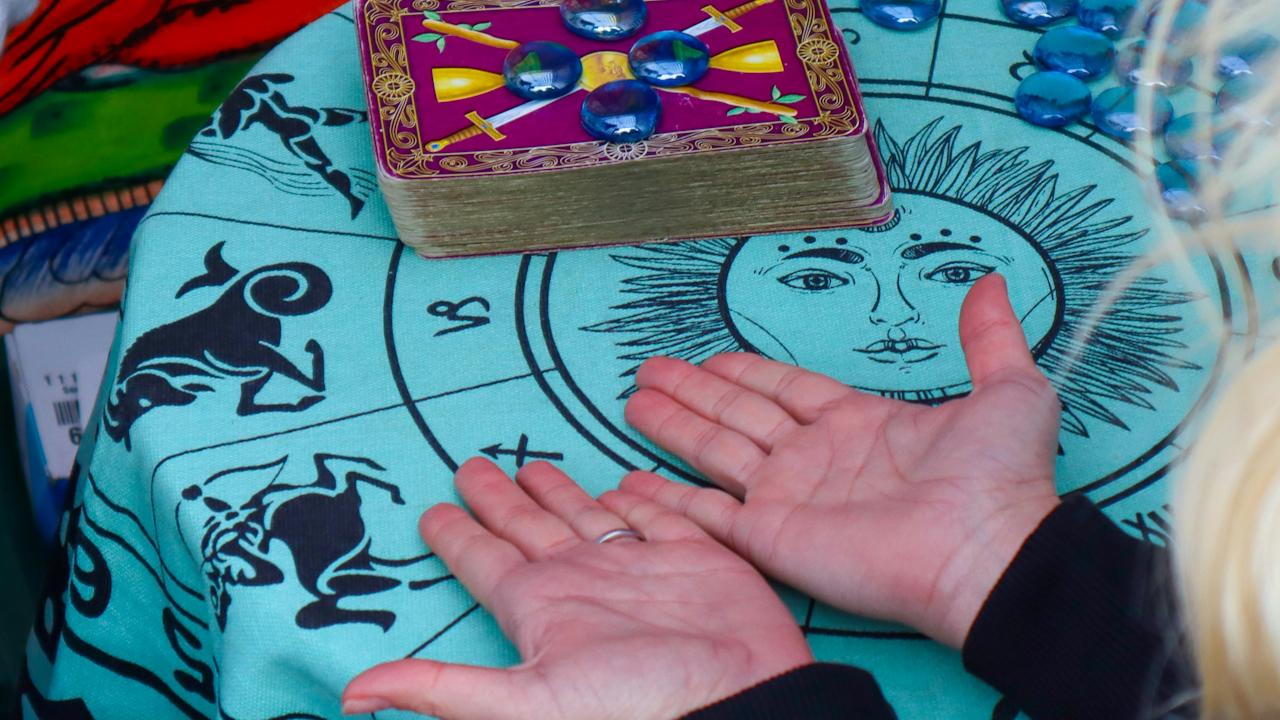
Tarot and astrology are two popular systems of divination and self-reflection that have captured human imagination for centuries. Both offer insights into personality, life challenges, relationships, and future possibilities. Many people encounter them together in spiritual or wellness communities, yet they operate in fundamentally different ways. Understanding their distinctions helps clarify when and how each might be useful. This article explores their histories, methods, core principles, strengths, limitations, and potential overlaps in detail.
A Brief History of Astrology
Astrology traces its roots to ancient Mesopotamia, with evidence dating back to the third millennium BCE. Early Babylonian astronomers observed celestial movements and linked them to earthly events, developing systems to predict seasonal changes, omens for kings, and societal shifts. The practice spread to Egypt, India, and Greece, where it evolved significantly during the Hellenistic period.
In ancient Greece and later Rome, astrologers refined the zodiac into 12 signs based on constellations. Claudius Ptolemy’s Tetrabiblos in the second century CE became a foundational text for Western astrology, emphasizing natal charts. Astrology was studied alongside astronomy in medieval universities and influenced Islamic scholarship before returning to Europe. It experienced revivals during the Renaissance and in modern times, particularly in the 20th century with psychological interpretations influenced by figures like Carl Jung.
Today, astrology remains a global phenomenon, with variations including Western (tropical) astrology, Vedic (sidereal) astrology from India, and Chinese astrology. Its enduring appeal lies in its claim to map cosmic influences on human life.
A Brief History of Tarot
Tarot has a more recent and distinctly European origin. The cards first appeared in northern Italy in the 1430s or 1440s as an expansion of existing playing card decks. Originally called tarocchi, they added 21 trump cards (trionfi) and the Fool to a standard four-suit pack (typically Cups, Swords, Batons, and Coins). These early decks were used for trick-taking games among the nobility, similar to modern bridge.
The shift toward divination occurred later. In the late 18th century in France, occultists like Antoine Court de Gebelin began associating the cards with ancient Egyptian mysticism and esoteric knowledge, though these claims lack historical evidence. The 19th and 20th centuries saw further development through the Rider-Waite-Smith deck (1909), which popularized illustrated minor arcana and symbolic imagery still widely used today. Tarot evolved from a game into a tool for introspection, psychological insight, and fortune-telling.
Unlike astrology’s ancient celestial foundations, Tarot’s divinatory use is relatively modern and rooted in symbolic interpretation rather than astronomical observation.
How Astrology Works
Astrology is a structured, calculation-based system grounded in the positions of celestial bodies. A key tool is the natal chart (or birth chart), which maps the exact positions of the Sun, Moon, planets, and other points relative to the zodiac at the moment and location of a person’s birth.
Core components include:
- Zodiac Signs: Twelve divisions of the ecliptic, each associated with elements (fire, earth, air, water), modalities (cardinal, fixed, mutable), and archetypal traits. Your Sun sign represents core identity, while the Moon sign reflects emotions and the Rising sign (Ascendant) indicates outward personality.
- Planets: Each represents a drive or aspect of life (e.g., Mercury for communication, Venus for love, Saturn for discipline).
- Houses: Twelve sectors of the chart corresponding to life areas like career (10th house), relationships (7th house), or self (1st house).
- Aspects: Angular relationships between planets, such as conjunctions or oppositions, which indicate harmony or tension.
Astrologers interpret these elements to reveal personality traits, life themes, strengths, challenges, and timing through planetary transits (current movements) or progressions. It emphasizes long-term patterns and cosmic timing.
How Tarot Works
Tarot relies on a physical deck of 78 cards divided into the Major Arcana (22 cards representing significant life lessons or archetypes, like The Fool or The Tower) and the Minor Arcana (56 cards in four suits, akin to playing cards but with symbolic scenes).
A reading typically begins with a focused question or intention. The reader or querent shuffles the deck while concentrating, then draws cards in a specific spread (layout), such as a three-card past-present-future spread or the more complex Celtic Cross. Interpretation combines traditional card meanings, imagery, intuition, and the context of the question and surrounding cards.
Tarot is dynamic and responsive to the present moment. It does not require birth details and can address immediate situations, emotional states, or decisions. Readers often emphasize personal agency, viewing cards as mirrors for reflection rather than fixed predictions.
Key Differences
Methodology and Tools: Astrology is predictive and deterministic in structure, relying on precise astronomical data and mathematical calculations. Tarot is interpretive and intuitive, depending on card symbolism, reader intuition, and the energy of the moment.
Personalization and Requirements: An astrological reading needs accurate birth date, time, and place for a natal chart. Tarot requires no such data; a deck and a question suffice. Astrology offers a comprehensive life blueprint, while Tarot provides targeted snapshots.
Time Orientation: Astrology excels at long-term patterns, life cycles, and timing (e.g., Saturn returns around age 29-30). Tarot is often better for immediate guidance, clarifying current dilemmas or short-term outcomes.
Approach to Fate and Free Will: Astrology suggests cosmic influences shape tendencies but allows for conscious response. Tarot highlights choices and perspectives, encouraging empowerment through awareness of possibilities.
Accessibility: Learning basic astrology demands studying charts and astronomy. Tarot is more approachable for beginners, as visual cards facilitate intuitive connections, though mastery of nuances takes time.
Cultural and Philosophical Roots: Astrology stems from observational science and philosophy of correspondence (“as above, so below”). Tarot draws from Renaissance allegory, occult traditions, and psychological archetypes.
Similarities and Overlaps
Despite differences, both systems use archetypes, elements (fire, earth, air, water), and symbolic language to explore the human condition. Many Tarot decks incorporate astrological correspondences, such as associating Major Arcana cards with planets or signs (e.g., The Emperor with Aries).
Both promote self-awareness, emotional insight, and decision-making support. Practitioners often combine them: astrology for overarching themes and Tarot for specific advice within those themes. They share a non-scientific status in mainstream views but provide psychological and spiritual value for millions.
Strengths and Criticisms
Astrology’s strength is its depth and consistency for personality analysis and forecasting cycles. Critics argue it lacks empirical evidence and can promote fatalism or overly generalized horoscopes.
Tarot’s flexibility and immediacy make it excellent for creative problem-solving and emotional processing. Skeptics see it as subjective projection, with readings varying by interpreter.
Both face accusations of pseudoscience, yet users report benefits in clarity, comfort, and motivation. Responsible practice emphasizes empowerment over dependency.
Choosing Between Them or Using Both
Consider your needs. For understanding innate traits, life purpose, or long-term timing, consult astrology. For navigating a specific relationship issue, career decision, or emotional block, Tarot may offer quicker, actionable perspectives.
Many find synergy in using both. A natal chart might reveal a challenging Pluto transit, while a Tarot reading explores how to respond creatively. This complementary approach enriches exploration without contradiction.
Conclusion
Tarot and astrology differ markedly in origins, mechanics, and focus: one looks to the stars for a cosmic map, the other to illustrated archetypes for intuitive dialogue. Yet both serve as valuable tools for reflection in an uncertain world. Whether you prefer the calculated precision of planetary alignments or the fluid symbolism of shuffled cards, these systems invite deeper engagement with life’s mysteries. Exploring them can foster greater self-understanding, resilience, and wonder, regardless of belief in their predictive power. Ultimately, their true value lies in how they help individuals navigate their unique paths with insight and intention.