

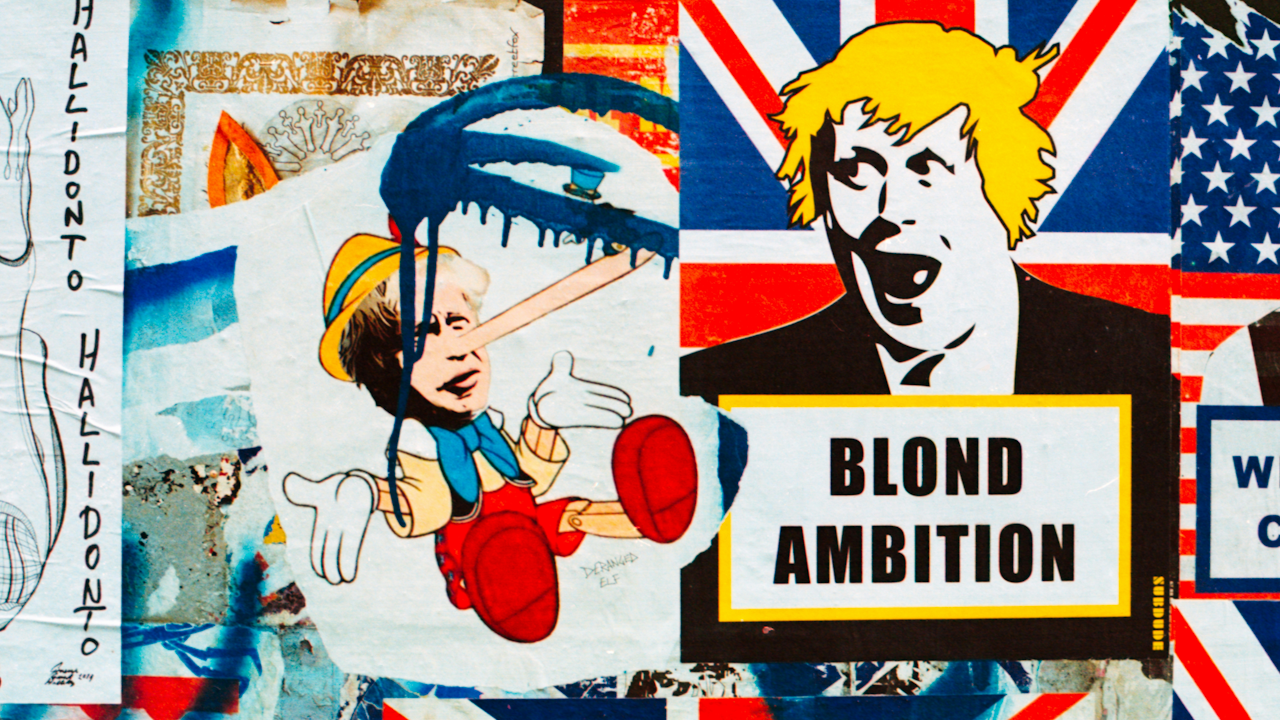
Art has long served as a powerful instrument in shaping, sustaining, and amplifying political movements across history. From ancient civilizations to contemporary protests, creative expressions such as paintings, sculptures, music, literature, street art, and performance have conveyed complex ideas, evoked emotions, and mobilized masses in ways that pure rhetoric or policy documents often cannot. Art transcends linguistic barriers, captures the human experience of injustice, and fosters solidarity among participants. It challenges authority, documents events, and imagines alternative futures. This article explores the multifaceted role of art in political movements, examining historical precedents, mechanisms of influence, notable case studies, and its enduring relevance today.
Historical Foundations: Art as a Tool for Revolution and Propaganda
The intersection of art and politics dates back millennia. In ancient societies, rulers commissioned monumental works to legitimize power. Egyptian pharaohs used hieroglyphs and statues to project divine authority, while Roman emperors employed sculptures and triumphal arches to celebrate conquests and reinforce imperial ideology. Yet art also enabled subversion. During periods of upheaval, it became a vehicle for dissent.
The French Revolution (1789-1799) marked a pivotal era where art was deliberately harnessed for political ends. Revolutionary leaders recognized the need to reach illiterate populations. Political cartoons, pamphlets, and prints circulated widely, satirizing the monarchy and glorifying republican virtues. Jacques-Louis David, a prominent painter, created works like “The Death of Marat” that transformed political martyrs into secular saints. These images helped build a new national identity centered on liberty, equality, and fraternity. Prints depicting barricades and revolutionary symbols turned public spaces into arenas of ideological contestation.
In the 19th and early 20th centuries, art intertwined with labor and anti-colonial struggles. Mexican muralists such as Diego Rivera and David Alfaro Siqueiros painted vast public frescoes celebrating indigenous heritage, workers’ rights, and revolutionary ideals following the Mexican Revolution. Their works adorned government buildings and public walls, making art accessible and embedding socialist messages into everyday life. Similarly, during the Russian Revolution, constructivist artists and propagandists designed posters and monuments to promote Bolshevik ideology and industrial progress.
World War II and its aftermath saw art mobilized against fascism and totalitarianism. Pablo Picasso’s “Guernica” (1937), a response to the bombing of a Basque town during the Spanish Civil War, remains one of the most potent anti-war statements. Its chaotic composition, distorted figures, and monochromatic palette conveyed the horror of aerial bombardment, influencing global perceptions of conflict and inspiring human rights advocacy for decades.
Mechanisms: How Art Influences Political Movements
Art contributes to political movements through several key mechanisms. First, it raises awareness and humanizes abstract issues. Photographs from the Civil Rights Movement, for instance, documented police brutality and peaceful marches, bringing visceral realities into living rooms via newspapers and television. Images of Emmett Till’s mutilated body or marchers facing fire hoses galvanized public opinion and pressured policymakers.
Second, art builds solidarity and community. Songs, chants, and poetry at rallies create emotional bonds. During the 1960s, artists like Bob Dylan, Joan Baez, and Pete Seeger provided anthems for the Civil Rights and anti-Vietnam War movements. Dylan’s “Blowin’ in the Wind” became a hymn for justice, fostering unity across diverse groups.
Third, art serves as propaganda, both for movements and against them. Authoritarian regimes have long used it to consolidate power, but activists repurpose the same tools. Street art and graffiti allow rapid, low-cost dissemination of messages in public spaces, bypassing traditional media gatekeepers. Murals transform neighborhoods into visual narratives of resistance.
Fourth, art provokes dialogue and challenges norms. Satirical works or provocative installations force viewers to confront uncomfortable truths. Performance art, such as ACT UP’s die-ins during the AIDS crisis in the 1980s, dramatized loss and demanded attention from indifferent authorities.
Finally, art preserves memory and inspires future generations. It archives struggles, ensuring that victories and sacrifices are not forgotten. This archival function sustains momentum beyond immediate events.
Case Studies: Art in Action Across Movements
The Civil Rights Movement in the United States exemplifies art’s integrative role. Posters with raised fists, photography by artists documenting Selma marches, and quilts by Faith Ringgold wove personal stories into collective narratives. The Black Power movement amplified this with symbols like Elizabeth Catlett’s sculptures featuring clenched fists.
In Latin America, art fueled resistance against dictatorships. Chilean muralists under Augusto Pinochet created clandestine works defying censorship. The Brazilian Tropicália movement blended music, visual art, and performance to critique authoritarianism and celebrate cultural hybridity.
Feminist movements have relied heavily on art. Judy Chicago’s “The Dinner Party” installation highlighted women’s contributions to history, while the 2017 Women’s March featured pink “pussy hats” as symbols of solidarity against misogyny.
Environmental and anti-globalization movements have also embraced creative tactics. Greenpeace campaigns often incorporate striking visuals, and the Occupy Wall Street movement used Adbusters’ imagery to critique economic inequality.
Modern Examples: Digital Age and Global Protests
In the 21st century, art has adapted to digital platforms while retaining its street-level potency. The Black Lives Matter movement demonstrates this evolution. Following the deaths of George Floyd, Breonna Taylor, and others, artists created murals, digital portraits, and protest signs that spread virally on social media. Large-scale street paintings, such as the “Black Lives Matter” mural in Washington, D.C., claimed public space and asserted visibility. Artists like Nikkolas Smith produced portraits of victims that appeared on protest signs worldwide, humanizing statistics and sustaining outrage.
Street art legends like Banksy continue to intervene with satirical stencils addressing war, consumerism, and authority. In Hong Kong protests, umbrellas and artwork symbolized resistance to encroachment on freedoms. Ai Weiwei’s installations have spotlighted refugee crises and government repression in China.
Music and performance remain vital. Rap and hip-hop have articulated urban struggles, while global movements use flash mobs and theatrical protests for media impact.
Social media has democratized art’s role, enabling rapid creation and sharing. Hashtags, memes, and user-generated content function as contemporary political cartoons, amplifying voices from marginalized communities.
Challenges and Criticisms
Despite its strengths, art in political movements faces obstacles. Co-optation by commercial interests or governments can dilute messages. Banksy’s works, for example, fetch high prices at auctions, raising questions about commodification.
Aesthetic quality versus political efficacy sparks debate. Some argue that overtly didactic art sacrifices nuance for impact. Others contend that all art is inherently political, shaped by its social context.
Access and representation pose issues. Dominant narratives may overshadow voices from certain groups, and censorship in repressive regimes limits artistic freedom. In democratic societies, debates over public funding for controversial works highlight tensions between free expression and societal values.
Moreover, the ephemeral nature of street art and digital content risks fleeting impact unless paired with sustained organizing.
Conclusion: Art’s Enduring Power
Art remains indispensable to political movements because it engages the full spectrum of human experience: intellect, emotion, and imagination. It does not merely reflect politics but actively shapes it by altering perceptions, inspiring action, and forging identities. From revolutionary prints in 18th-century France to digital murals in 21st-century protests, creative expression has proven resilient against oppression.
As movements confront new challenges such as climate change, technological surveillance, and inequality, artists will continue to innovate. They will visualize injustices, celebrate resilience, and propose visions of justice. Policymakers, activists, and citizens alike benefit from recognizing art not as mere decoration but as a dynamic force for change. By supporting artistic freedom and integrating creative strategies, societies can harness this power to build more equitable futures. The canvas, the stage, and the street remain vital battlegrounds where the struggle for progress unfolds.