

Wine is a delicate beverage that can improve with age when stored correctly, or deteriorate quickly under poor conditions. Whether you are a casual enthusiast with a few bottles or a serious collector building a small collection, understanding proper home storage is essential. This guide covers everything you need to know to keep your wines in optimal condition, from ideal environmental factors to practical solutions for different living situations and common pitfalls to avoid.
Why Proper Wine Storage Matters
Wine is a living product that continues to evolve after bottling. Proper storage slows down this aging process in a controlled way, preserving flavors, aromas, and structure. Incorrect storage can lead to premature aging, oxidation, or spoilage, turning a potentially great bottle into something disappointing.
Heat accelerates chemical reactions inside the bottle, causing wines to age too fast and lose complexity. Fluctuations in temperature cause the liquid to expand and contract, which can push the cork out or draw air in. Light, especially ultraviolet rays, can trigger “light strike,” resulting in off flavors often described as skunky or muted. Low humidity dries out corks, allowing oxygen to seep in, while excessive vibration disturbs sediments and affects development.
For everyday drinkers, good storage ensures that bottles taste as the winemaker intended when opened. For collectors, it protects investments and allows wines to reach their full potential over years or decades.
The Four Key Elements of Wine Storage
Successful home wine storage revolves around four main factors: temperature, humidity, light, and stability.
Temperature is the most critical. The ideal range for long-term storage is around 55 degrees Fahrenheit (13 degrees Celsius), with a safe broader window of 45 to 65 degrees Fahrenheit (7 to 18 degrees Celsius). This applies to reds, whites, sparkling, and fortified wines alike. Temperatures above 70 degrees Fahrenheit speed up aging dramatically, while very low temperatures can mute flavors or damage corks over time. Consistency matters more than hitting an exact number; avoid spots where temperatures swing daily or seasonally, such as near windows, heaters, or in garages.
Humidity should stay between 50 and 80 percent, with 60 to 70 percent often cited as optimal. This level keeps natural corks moist and expanded, creating a tight seal against oxygen. In very dry environments, corks can shrink and crack. In overly humid conditions, labels may peel and mold can grow. If your storage area is too dry, consider placing a small pan of water nearby or using a humidifier. Wine fridges often maintain appropriate humidity levels automatically.
Light should be minimized. Ultraviolet rays from sunlight or even bright artificial lights can degrade wine over months. Store bottles in dark places such as closets, cupboards, or boxes. If displaying wine, use low-UV lighting or tinted glass doors on racks. Darker glass bottles offer some protection, but it is not foolproof.
Stability refers to minimizing vibration and movement. Constant shaking from appliances, foot traffic, or nearby roads can disturb sediments and accelerate chemical changes. Choose a quiet, undisturbed location away from washing machines, refrigerators, or doorways.
Bottle Position and Orientation
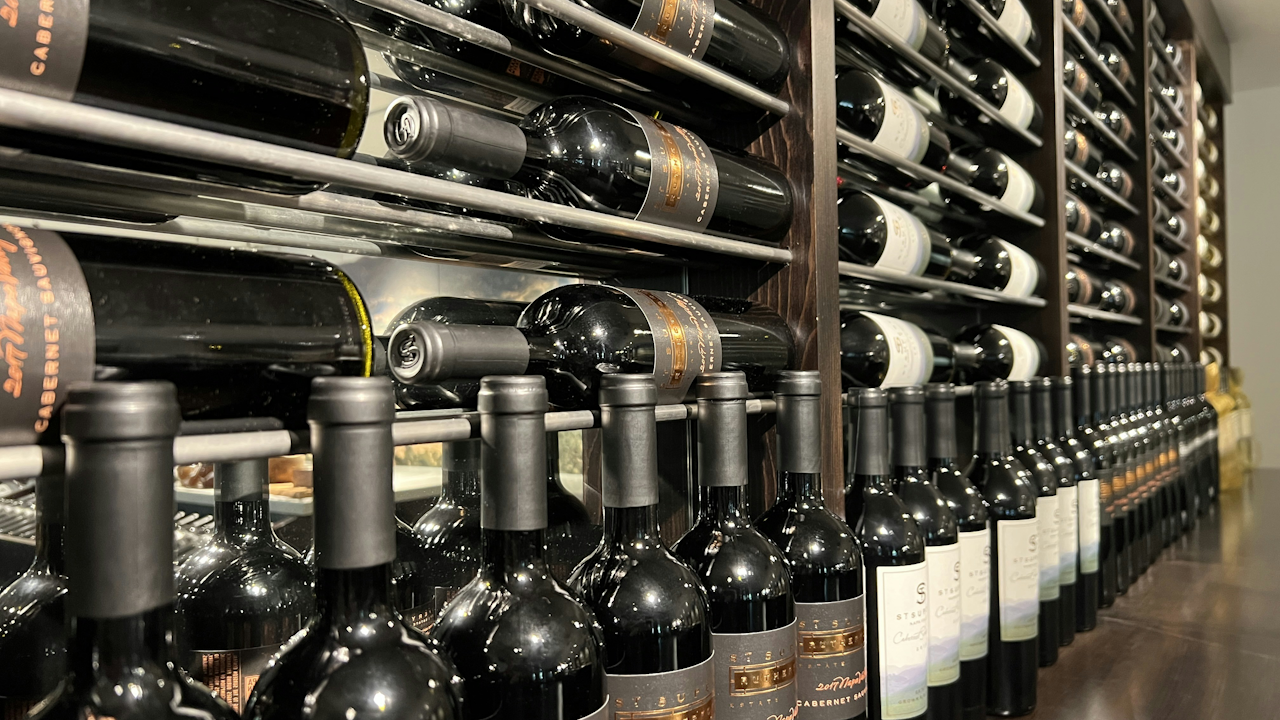
Store most still wines horizontally so the wine stays in contact with the cork. This keeps the cork moist and prevents it from drying out. Screw-cap bottles are less sensitive to position and can be stored upright, though horizontal is still acceptable. Sparkling wines are often stored upright to keep pressure on the cork, but many experts recommend horizontal for long-term aging as well.
For short-term storage of a few weeks, upright positioning is fine. Labels should face upward when horizontal so you can identify bottles without disturbing them.
Storage Options for Home Environments
Not everyone has a natural cellar, but there are effective solutions for every space and budget.
Dedicated wine refrigerators or coolers are the best option for serious collectors. These units maintain precise temperatures (often with dual zones for reds and whites) and humidity levels. They come in sizes from small countertop models holding a dozen bottles to larger freestanding or built-in units. Look for models with vibration-dampening compressors and UV-protected glass doors.
Basements often provide naturally cool, dark, and stable conditions, making them excellent for wine storage. Choose an interior corner away from furnaces or water heaters. Add racks and monitor temperature and humidity with a simple gauge.
Closets or cupboards work well for smaller collections. Select an interior closet on a lower floor, away from exterior walls. Line shelves with racks or use original shipping boxes for extra protection. A small fan can help with air circulation if needed.
Standard household refrigerators are suitable only for short periods. The temperature is usually too cold (around 35 to 40 degrees Fahrenheit), and the air is very dry, which can dry out corks quickly. Use them for opened bottles or very short-term holding before serving.
Avoid kitchens, attics, garages, and areas near heat sources like ovens, radiators, or sunny windows. These spots experience too much fluctuation and warmth.
For budget-friendly setups, wooden or metal wine racks are widely available. Stackable modular racks allow customization. Cardboard shipping cases provide good short-term protection when kept in suitable conditions.
Short-Term Versus Long-Term Storage
Short-term storage (weeks to a few months) is more forgiving. A cool, dark cupboard or room-temperature spot away from heat sources is usually sufficient for bottles you plan to drink soon. Many everyday wines are meant to be enjoyed within a year or two of purchase and do not require special aging conditions.
Long-term storage (years or decades) demands stricter control. Vintage wines, fine reds, and age-worthy whites benefit from the stable 55-degree environment. Track your collection with a simple notebook or app to note purchase dates, expected drinking windows, and tasting notes over time.
Tips for Different Types of Wine
- Red wines: Generally more robust, but still need protection from heat. Store at the warmer end of the ideal range if using a single-zone unit.
- White and rose wines: Prefer slightly cooler temperatures to preserve freshness and acidity. They are more sensitive to light.
- Sparkling wines: Keep cool to maintain carbonation. Avoid prolonged upright storage if aging long term.
- Fortified wines (Port, Sherry): More tolerant of warmth and upright storage due to higher alcohol content, but consistent cool conditions still help.
- Natural and low-intervention wines: Often more fragile and benefit from extra care.
Opened Wine Storage
Once opened, exposure to oxygen begins to change the wine. Store opened bottles upright in the refrigerator. Reds can last three to five days, whites and roses up to a week, and fortified wines much longer. Vacuum pumps, inert gas sprays, or devices that remove air can extend life further. Always reseal tightly.
Common Mistakes and How to Avoid Them
Many enthusiasts unknowingly harm their wines through simple oversights.
- Storing in warm or fluctuating spots like kitchens or on top of appliances.
- Keeping bottles upright for extended periods, drying out corks.
- Exposing wine to direct light or bright indoor fixtures.
- Ignoring humidity, leading to dried corks or moldy labels.
- Storing near strong odors or chemicals that can permeate corks.
- Forgetting about inventory and over-aging wines past their peak.
Regularly check your storage area with a thermometer-hygrometer. Rotate stock by drinking older bottles first when appropriate. Invest in quality racks that prevent rolling or vibration.
Monitoring and Maintaining Your Collection
Place a digital thermometer and hygrometer in your storage area and check readings periodically. For larger collections, consider smart sensors that alert you via app to changes in conditions.
Keep the area clean and free of pests. Organize by region, vintage, or drinking window for easy access without unnecessary handling. If moving bottles, do so gently.
For those in extreme climates, insulation, vapor barriers, or small climate-control units can transform a closet or basement room into a functional cellar.
Conclusion
Storing wine at home does not require a professional cellar or expensive equipment. By prioritizing consistent cool temperatures, appropriate humidity, darkness, and stability, you can enjoy your bottles at their best whether drinking soon or aging for special occasions. Start with the conditions you have, make incremental improvements like adding racks or a small cooler, and learn through experience. A well-stored collection not only tastes better but also brings ongoing pleasure and satisfaction as you explore different wines over time. With these practices, your home can serve as a reliable sanctuary for every bottle you bring in.