

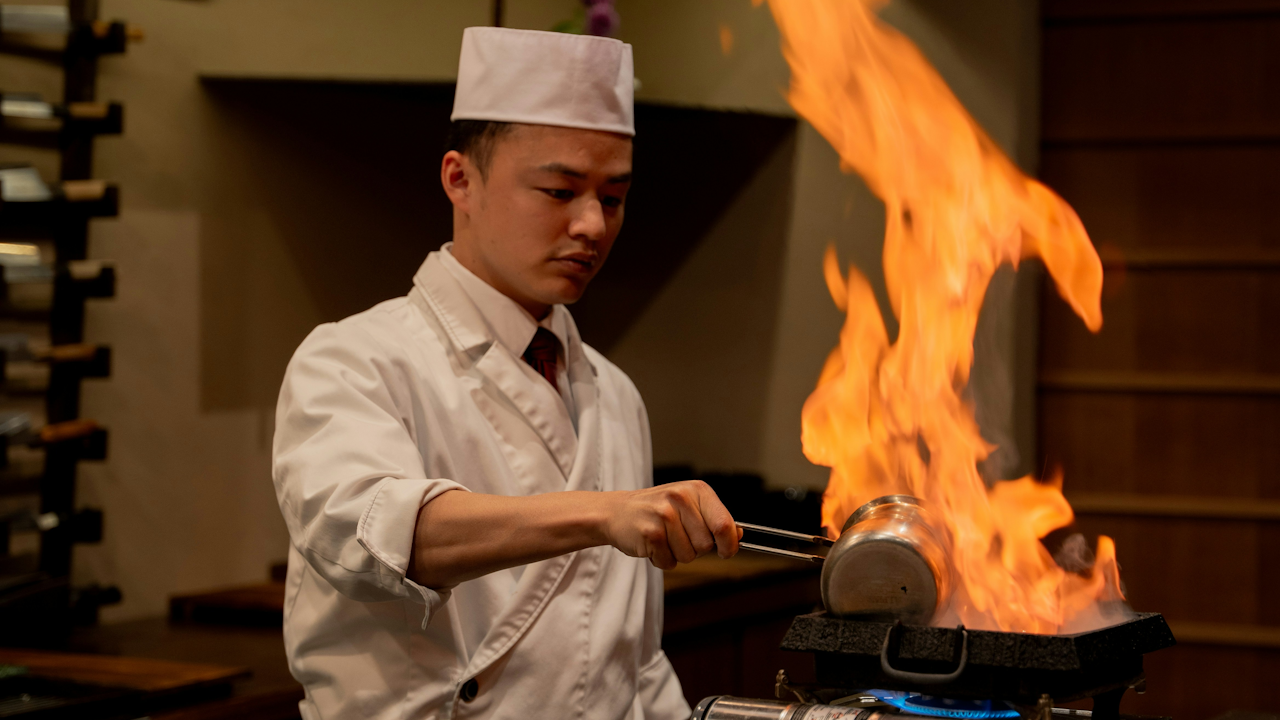
Cooking is one of the most fundamental human activities, transforming raw ingredients into flavorful, safe, and nutritious meals. At its core, cooking is applied chemistry. Every technique from searing a steak to baking bread involves molecular interactions, reactions, and physical changes driven by heat, acids, bases, and other agents. Understanding these processes not only demystifies why recipes work but also empowers home cooks and professional chefs to innovate, troubleshoot, and elevate their dishes. This article explores the key chemical principles that underpin common cooking methods, drawing on reactions that have been observed and refined over centuries.
The Role of Heat in Cooking
Heat is the primary driver of most culinary transformations. When food is exposed to temperatures above room level, kinetic energy increases, causing molecules to move faster and collide more frequently. This leads to denaturation of proteins, gelatinization of starches, and the formation of new flavor compounds.
Proteins, which are long chains of amino acids folded into specific three-dimensional shapes, are particularly sensitive to heat. In their native state, these structures maintain the functional properties of ingredients like meat, eggs, and dairy. Upon heating, the weak bonds such as hydrogen bonds and hydrophobic interactions break, causing the proteins to unfold. This process, known as denaturation, is irreversible in most cases. For example, when an egg is cooked, the clear albumen turns opaque and firm because the proteins coagulate and form a network that traps water. Similarly, in meat, muscle proteins like myosin and actin denature around 50 to 70 degrees Celsius, leading to a firmer texture as water is expelled. Overcooking pushes this further, resulting in tough, dry results as excessive moisture loss occurs.
Starches, the primary carbohydrate storage in plants, undergo gelatinization when heated in the presence of water. Starch granules consist of amylose and amylopectin molecules packed tightly. As temperature rises, typically between 60 and 80 degrees Celsius depending on the source, water penetrates the granules, causing them to swell and burst. This releases amylose, which thickens liquids. This reaction explains the thickening of sauces, the softening of potatoes, and the structure of baked goods. Rice, pasta, and bread all rely on this process for their appealing textures.
Maillard Reaction: The Browning Magic
One of the most celebrated reactions in cooking is the Maillard reaction, named after French chemist Louis-Camille Maillard who described it in 1912. It occurs when amino acids from proteins react with reducing sugars at temperatures above approximately 140 degrees Celsius in low-moisture environments. The result is a complex cascade of reactions producing hundreds of new compounds responsible for the golden-brown colors, nutty aromas, and savory flavors in seared meats, toasted bread, and roasted vegetables.
The Maillard reaction begins with the formation of a Schiff base between an amino group and a carbonyl group from a sugar. This rearranges into Amadori compounds, which then undergo further dehydration, fragmentation, and polymerization. Melanoidins, the brown pigments formed late in the process, contribute to color and some antioxidant properties. Factors influencing the reaction include pH, temperature, time, and the availability of reactants. Alkaline conditions, such as those from baking soda, accelerate it, which is why some recipes add a pinch to promote better browning on chicken skin or cookies. Moisture inhibits the reaction because water keeps temperatures lower and dilutes the reactants, explaining why steaming does not produce the same crust as frying or grilling.
In practical terms, achieving a good Maillard reaction requires high heat and dry surfaces. Pat meat dry before searing, and avoid overcrowding the pan to prevent steaming. The reaction also contributes to the appealing aroma of freshly baked bread or coffee, where volatile compounds like pyrazines and furans are generated.
Caramelization: Sugar Transformation
While related to the Maillard reaction, caramelization is distinct and involves only sugars heated to high temperatures, typically above 160 degrees Celsius. Sucrose breaks down into glucose and fructose, which then dehydrate and polymerize into caramel compounds. This produces a range of flavors from nutty and buttery at lower stages to bitter and burnt at higher ones.
Caramelization is responsible for the deep flavors in caramel sauce, roasted root vegetables, and the crust on creme brulee. In onions, prolonged low-heat cooking leads to both Maillard and caramelization effects as natural sugars concentrate. Controlling this process requires attention to temperature. Too low and nothing happens; too high and acrid compounds dominate. Chefs often use this in desserts or to build fond in pans for sauces, deglazing with liquid to capture those flavorful molecules.
Acids, Bases, and pH in the Kitchen
The pH level of ingredients significantly affects cooking outcomes. Acids, with pH below 7, and bases, above 7, influence protein behavior, flavor balance, and preservation.
In marinades, acids like lemon juice or vinegar partially denature proteins on the surface of meat, making it more tender by breaking down connective tissues. However, excessive acid can turn the texture mushy, as seen in ceviche where fish is “cooked” by citric acid without heat. Bases have the opposite effect in some contexts. Baking soda, a base, raises pH and can tenderize meat by accelerating protein breakdown and promoting Maillard browning. It is also used in pretzel boiling to create that distinctive chewy crust through enhanced browning and starch modification.
In baking, the reaction between acids and bases produces carbon dioxide for leavening. Baking powder contains both an acid (such as cream of tartar) and a base (baking soda), which react when moistened and heated to release gas bubbles that expand in the batter. This creates the light, airy structure of cakes and biscuits. Double-acting baking powders have two acid phases for controlled rise during mixing and baking.
Emulsions: Mixing Oil and Water
Many sauces and dressings rely on emulsions, where two immiscible liquids like oil and water are stabilized into a uniform mixture. This is achieved through emulsifiers, molecules with both hydrophilic (water-loving) and hydrophobic (water-fearing) parts. Egg yolks contain lecithin, a powerful emulsifier used in mayonnaise and hollandaise sauce. The yolk proteins and phospholipids surround oil droplets, preventing them from coalescing.
Creating a stable emulsion requires mechanical energy, such as vigorous whisking, to break oil into tiny droplets. Temperature control is crucial; cold ingredients may cause the emulsion to break. In vinaigrettes, mustard or garlic can act as additional stabilizers. Understanding emulsions helps troubleshoot issues like separated sauces and inspires variations, such as using modern techniques to create foams or spheres in molecular gastronomy.
Fermentation: Microbial Chemistry
Fermentation harnesses microorganisms to transform food through enzymatic reactions. Yeasts and bacteria convert sugars into alcohol, acids, or gases, developing complex flavors and preserving food.
In bread making, yeast ferments sugars from flour, producing carbon dioxide that leavens the dough and ethanol that evaporates during baking. Lactic acid bacteria in sourdough add tangy flavors through lactic and acetic acids. Cheese, yogurt, and kimchi all rely on similar bacterial fermentation, lowering pH to inhibit pathogens while creating new taste compounds.
The Maillard reaction can interplay with fermentation products, as in beer or wine, where roasted malts contribute to depth. Controlling fermentation involves temperature, time, and starter cultures. Too warm and unwanted bacteria dominate; too cool and the process stalls.
Fats and Oils: Flavor Carriers and Textures
Fats play multiple chemical roles in cooking. They carry fat-soluble flavors and vitamins, conduct heat efficiently in frying, and contribute to mouthfeel. When oils are heated to high temperatures for frying, they facilitate rapid heat transfer and Maillard reactions on the food surface while the interior steams.
Smoke points vary by fat type due to molecular stability. Refined oils with fewer free fatty acids have higher smoke points. Oxidation of fats leads to rancidity, which is why storage in cool, dark places matters. In baking, fats like butter tenderize by coating flour proteins, preventing excessive gluten formation for flaky pastries.
Flavor Chemistry: Aromas and Tastes
Beyond basic tastes of sweet, sour, salty, bitter, and umami, volatile aroma compounds define the sensory experience of food. Terpenes in herbs, sulfur compounds in garlic and onions, and esters in fruits arise from enzymatic reactions or heat-induced breakdowns.
Cutting an onion releases alliinase enzymes that convert precursors into pungent sulfenic acids, causing tearing. Roasting garlic mellows these through various reactions. Understanding this allows cooks to choose techniques that enhance or mute specific notes, such as blooming spices in oil to release fat-soluble aromas.
Nutritional and Safety Aspects
Cooking chemistry also impacts nutrition and safety. Heat can destroy harmful bacteria by denaturing their proteins, making food safer. However, it can degrade heat-sensitive vitamins like vitamin C. Water-soluble nutrients leach into cooking liquids, which is why broths become flavorful. Advanced techniques like sous-vide minimize nutrient loss by precise temperature control.
Advanced Topics and Innovations
Modern understanding of food chemistry has led to innovations like spherification with sodium alginate and calcium for caviar-like bursts, or using liquid nitrogen for instant ice creams that preserve delicate flavors. Enzymes such as transglutaminase (meat glue) link proteins for novel textures.
In conclusion, the chemistry behind cooking reveals a world of predictable yet wondrous transformations. From the humble boiled egg to elaborate pastries, each step involves precise molecular dances. By learning these principles, anyone can approach the kitchen with greater confidence and creativity, turning everyday meals into opportunities for scientific appreciation and culinary mastery. Whether adjusting a recipe on the fly or experimenting with new ingredients, knowledge of these reactions bridges tradition and innovation in the timeless art of preparing food.