

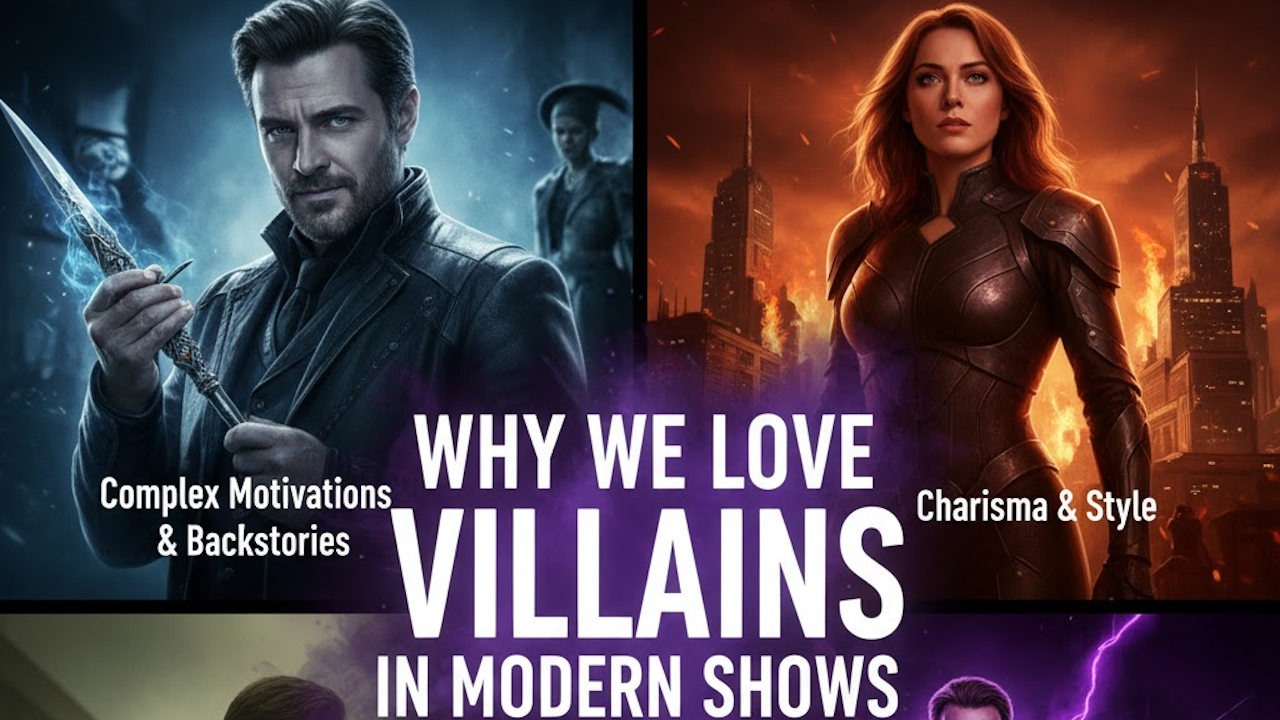
Villains have always held a special place in storytelling, but in contemporary television and streaming series, their appeal has reached new heights. From complex anti-heroes to outright monstrous figures, modern audiences cannot seem to get enough of them. What makes these characters so captivating? The answer lies in a combination of psychological resonance, narrative innovation, and cultural reflection. In an era where moral certainties feel increasingly shaky, villains offer depth, excitement, and a mirror to our own complicated human nature.
The Evolution of the Villain Archetype
In classic tales, villains were often straightforward embodiments of evil. Think of the wicked stepmother in fairy tales or the mustache-twirling antagonist in old Westerns. Their role was clear: to oppose the hero and provide a foil for virtue. Modern shows have dismantled this simplicity. Villains today are layered, with backstories that explain their actions, even if they do not excuse them. This shift began gaining momentum in the late 20th century but exploded with the rise of prestige television in the 2000s.
Consider how series like “Breaking Bad” transformed Walter White from a mild-mannered teacher into a drug kingpin. What starts as desperation evolves into something darker, yet viewers root for him at every turn. This evolution reflects broader changes in media consumption. With longer seasons and serialized storytelling, creators have the space to develop characters over time. Audiences invest hours in these arcs, watching villains grow, adapt, and sometimes even redeem themselves, or spiral further into chaos.
Psychological Reasons for Our Fascination
At the core of our love for villains is psychology. Humans are wired to explore the forbidden and the unknown from a safe distance. Villains allow us to indulge in dark impulses without real-world consequences. This concept, often called vicarious catharsis, lets viewers experience power, revenge, or moral transgression through fictional proxies.
Many villains embody traits we secretly admire or recognize in ourselves. Ambition, intelligence, and resilience frequently define them. A villain who outsmarts everyone else taps into our frustrations with everyday incompetence or bureaucracy. In “The Boys,” Homelander represents unchecked power and narcissism, yet his vulnerabilities make him strangely compelling. We watch him dominate because part of us wonders what it would feel like to operate without restraint.
Trauma also plays a huge role. Modern writing often gives villains sympathetic origins. Perhaps they suffered betrayal, loss, or systemic injustice. This relatability humanizes them. When a character like Killmonger in “Black Panther” articulates legitimate grievances about oppression, even as his methods turn destructive, audiences feel the pull of his logic. It forces us to question our own moral frameworks. Are we drawn to villains because they expose the hypocrisy in heroes, or because they validate our own hidden resentments?
Charisma and Performance
Casting and acting elevate villains to iconic status. Charismatic performers bring nuance that scripts alone cannot achieve. Think of Mads Mikkelsen as Hannibal Lecter in the series “Hannibal.” His portrayal mixes elegance, intellect, and horror in a way that makes cannibalism almost artistic. The actor’s physical presence and subtle expressions create an irresistible allure.
Similarly, Tom Hiddleston’s Loki in the Marvel Cinematic Universe started as a villain and evolved into something more ambiguous. His wit, vulnerability, and flair for drama turned him into a fan favorite. Modern shows invest heavily in these performances because audiences respond to emotional complexity. A villain who cracks jokes or shows moments of doubt feels authentic, not cartoonish.
This charisma extends to dialogue. Villains often get the best lines, sharp monologues that cut to the heart of philosophical questions. In “Game of Thrones,” characters like Tywin Lannister delivered speeches on power and legacy that lingered long after episodes ended. These moments provide intellectual stimulation, turning passive viewing into active engagement.
Moral Ambiguity in a Gray World
Today’s society grapples with blurred ethical lines, from political polarization to technological dilemmas. Modern villains thrive in this environment by rejecting black-and-white morality. They challenge the idea that heroes always win or that goodness is straightforward.
In “Succession,” the Roy family members are all deeply flawed, scheming for control of a media empire. There are no pure heroes, only varying degrees of villainy. Viewers love debating who is the worst because it mirrors real-life family dynamics and corporate ruthlessness. This ambiguity fosters discussion and rewatches, as audiences pick apart motivations and alliances.
Streaming platforms encourage this trend. Unlike network TV, which once demanded clear resolutions, services like Netflix and HBO allow stories to end in moral uncertainty. Villains survive, thrive, or meet poetic justice that feels earned rather than formulaic. This realism resonates because life rarely offers tidy endings.
The Role of Villains in Driving Narrative
Beyond psychology, villains serve crucial structural purposes. They create conflict, raise stakes, and force protagonists to evolve. Without a formidable opponent, heroes remain static. A great villain exposes weaknesses and pushes the story into unexpected territory.
In “The Wire,” figures like Stringer Bell or Avon Barksdale represented the drug trade’s complexities. They were not mindless criminals but strategic thinkers navigating impossible systems. Their presence highlighted institutional failures in Baltimore, making the show a profound social commentary. Villains here drive plots while illuminating larger truths.
Modern shows also use villains for world-building. In fantasy or sci-fi series like “House of the Dragon,” antagonists reveal the rules and hypocrisies of their universes. Their schemes expose power structures, alliances, and betrayals that enrich the entire narrative.
Cultural Reflection and Timeliness
Villains often embody societal anxieties. During times of economic uncertainty, greedy corporate villains resonate. In periods of political turmoil, populist or authoritarian figures appear on screen. Post-9/11 shows featured terrorists and morally compromised intelligence operatives. More recently, series tackle surveillance states, inequality, or environmental collapse through villainous lenses.
“The Handmaid’s Tale” features Gilead’s leaders as embodiments of theocratic control. Their actions horrify yet fascinate because they extrapolate real-world trends. Audiences love these characters for the uncomfortable questions they provoke: How close are we to such dystopias? What would we do to survive them?
Representation has expanded too. Female villains like Villanelle in “Killing Eve” bring fresh dynamics. Her playful psychopathy subverts expectations, blending humor, fashion, and violence. Diverse villains challenge stereotypes and broaden appeal.
The Anti-Hero Overlap
The line between villain and anti-hero has blurred significantly. Characters like Tony Soprano or Don Draper exhibit villainous traits, selfishness, and harm to others, yet their internal struggles invite empathy. This overlap explains much of the affection for modern antagonists. We love them because they feel real, complete with contradictions.
In “Better Call Saul,” Jimmy McGill becomes Saul Goodman through a series of choices that erode his principles. Viewers watch this transformation with a mix of dread and fascination, knowing the destination but hoping for different outcomes. Such arcs reward long-term investment and emotional attachment.
Fan Communities and Memes
Social media amplifies villain love. Fans create memes, fan art, and theories that keep characters alive between seasons. “No one” from “Game of Thrones” or the endless debates about Walter White’s choices demonstrate this phenomenon. Online discourse turns passive consumption into communal celebration.
Cosplay and merchandise further cement villains’ status. Dressing as the Joker or a Slytherin student allows safe exploration of darker personas. This participatory culture strengthens bonds between shows and audiences.
Potential Downsides and Criticisms
Not everyone celebrates this trend. Some argue that glorifying villains desensitizes viewers or promotes harmful behaviors. Critics worry that sympathetic portrayals might excuse real-world wrongdoing. Others point out that overemphasis on complexity can lead to underdeveloped heroes.
Yet these concerns rarely diminish popularity. Balanced storytelling mitigates risks by showing consequences. Villains who face downfall or isolation remind us of the costs of their paths, even as we enjoy the journey.
Conclusion: The Enduring Allure
We love villains in modern shows because they capture the full spectrum of humanity. They entertain, provoke thought, and reflect our world back at us with unflinching honesty. In an age of information overload and moral fatigue, these characters provide escape and insight simultaneously.
As storytelling continues to evolve with new technologies and global perspectives, villains will likely grow even more sophisticated. They challenge us to confront uncomfortable truths about power, choice, and redemption. Far from being mere obstacles for heroes, they often steal the spotlight, reminding us why flawed characters endure. The next time a villain delivers a chilling monologue or makes an impossible decision, remember: their magnetism reveals as much about us as it does about them. In embracing these dark figures, we acknowledge the shadows within ourselves and find unexpected connection in the process.