

Festivals have long served as vibrant expressions of the human experience, weaving together threads of tradition, belief, and social interaction into colorful tapestries that define communities. These periodic celebrations are more than mere entertainment or breaks from routine. They act as mirrors, reflecting the core values, priorities, and aspirations of the groups that organize and participate in them. From religious observances to harvest gatherings and national commemorations, festivals reveal what a community holds dear, whether it be faith, family, resilience, creativity, or equality. By examining their rituals, symbols, and social dynamics, one can gain deep insights into the collective identity and moral framework of a society.
At their essence, festivals encapsulate the shared narratives that bind people together. They provide a structured time and space where individual differences give way to communal harmony. In many cultures, these events mark transitions in the natural or social calendar, such as the changing of seasons or significant historical milestones. Through participation, community members reaffirm their connections to one another and to their heritage. This reinforcement is not accidental but intentional, as festivals often involve collective preparation, performance, and reflection that highlight dominant values like cooperation, gratitude, and continuity.
Consider the historical roots of festivals, which often trace back to ancient agricultural societies. In early civilizations, such as those in Mesopotamia or the Nile Valley, harvest festivals celebrated the bounty of the land and expressed thanks to deities believed to control fertility and weather. These events underscored values of stewardship and reverence for nature. Participants offered portions of their crops in rituals, demonstrating a communal commitment to sustainability and humility before greater forces. Such practices were not isolated but embedded in the daily rhythms of survival, where the success of one depended on the efforts of many. The festivals thus mirrored an understanding that prosperity was a shared endeavor, not an individual achievement.
In religious contexts, festivals frequently illuminate spiritual and ethical priorities. Take, for example, the Christian celebration of Easter, which commemorates resurrection and renewal. Beyond its theological significance, Easter gatherings emphasize forgiveness, hope, and family bonds. Communities come together for services, feasts, and symbolic acts like egg decorating or processions, which reflect values of redemption and communal joy. Similarly, the Islamic observance of Eid al-Fitr following Ramadan highlights charity, gratitude, and social equality. Families share meals, distribute alms to the needy, and exchange greetings, reinforcing the principle that faith involves caring for the less fortunate and fostering unity across socioeconomic lines.
Hindu festivals like Diwali, known as the Festival of Lights, provide another lens into community ethos. Observed with the lighting of lamps, fireworks, and sweets distribution, Diwali symbolizes the triumph of light over darkness and good over evil. It mirrors values of knowledge, prosperity, and renewal, as homes are cleaned and debts settled to start anew. The involvement of entire neighborhoods in these preparations speaks to a cultural emphasis on harmony, hospitality, and collective well-being. Participants exchange gifts and visit relatives, strengthening familial and social ties that form the backbone of community resilience.
Indigenous festivals around the world offer profound examples of how celebrations embody environmental and ancestral values. Among Native American tribes, events such as the Powwow bring together diverse groups for dancing, drumming, and storytelling. These gatherings honor heritage, respect for elders, and connection to the land. Regalia, songs, and dances passed down through generations reflect a deep-seated value of cultural preservation amid historical challenges. The communal feasting and trading that accompany such events further underscore principles of reciprocity and mutual support, where resources and knowledge are shared freely to sustain the group.
In East Asian traditions, festivals like the Chinese Lunar New Year integrate family reverence, prosperity wishes, and social order. Homes are adorned with red decorations symbolizing luck and happiness, while families reunite for elaborate meals featuring symbolic foods such as dumplings for wealth. The emphasis on filial piety during these reunions highlights a core value of respect for elders and intergenerational continuity. Public parades with dragons and lanterns extend this celebration into the streets, fostering a sense of civic pride and communal identity that transcends individual households.
Festivals also serve as platforms for expressing social and political values. In many Latin American countries, Carnival stands out as a period of inversion and release, where social hierarchies temporarily dissolve through masquerades, music, and dance. Originating from pre-Lenten Christian traditions blended with African and indigenous influences, Carnival mirrors values of equality, creativity, and resistance. Participants from all walks of life join in parades, challenging everyday norms and celebrating diversity. This cathartic expression allows communities to confront inequalities while reinforcing solidarity through shared exuberance. The costumes and floats often depict historical or satirical themes, providing a space for commentary on current issues without direct confrontation.
Similarly, national festivals like Independence Day in the United States or Bastille Day in France celebrate liberty, democracy, and patriotism. Fireworks, speeches, and parades evoke historical struggles for freedom, instilling values of citizenship, sacrifice, and national unity. These events remind participants of the ideals upon which their societies were built, such as justice and self-governance, while encouraging civic engagement. In times of division, such festivals can act as unifying forces, drawing attention back to common principles that transcend partisan differences.
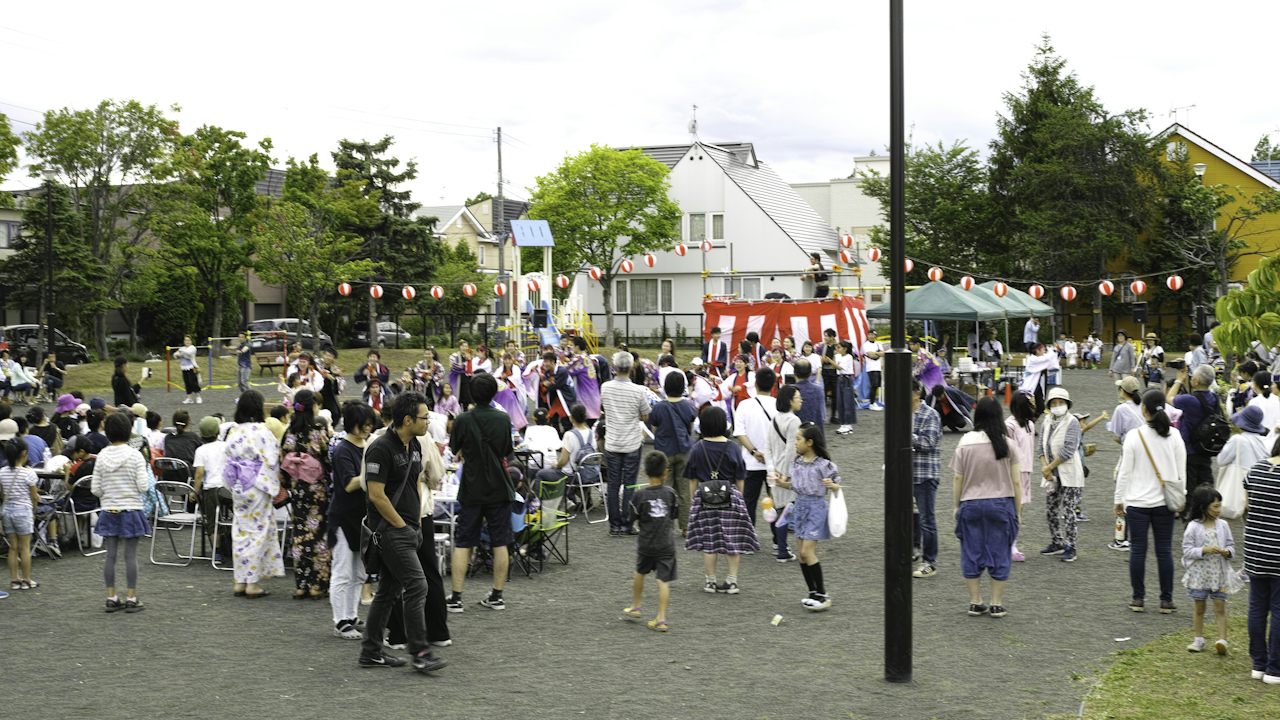
Beyond their reflective qualities, festivals actively shape and transmit values to younger generations. Children learn through observation and involvement what behaviors and beliefs are prized. In Japanese matsuri, or local shrine festivals, portable shrines are carried through streets amid music and food stalls. This participation teaches discipline, teamwork, and reverence for tradition. The communal effort required to organize and sustain these events fosters a sense of responsibility and belonging, values that extend into adult life.
Economic dimensions of festivals further reveal community priorities. In regions dependent on tourism, such as the Oktoberfest in Germany, the emphasis on beer, folk music, and hearty cuisine highlights values of hospitality, craftsmanship, and conviviality. Local businesses thrive, but the festival also promotes cultural pride in Bavarian heritage. Organizers balance commercialization with authenticity to ensure the event remains a genuine expression of identity rather than a mere spectacle. This negotiation illustrates how communities weigh tradition against modernity, often prioritizing long-term cultural integrity over short-term gains.
In contemporary society, festivals continue to evolve while retaining their role as mirrors. Globalization and technology have introduced hybrid forms, where traditional elements blend with modern influences. Music festivals like Coachella or Glastonbury, though commercial, reflect values of artistic expression, environmental awareness, and social activism through initiatives like sustainability efforts or charity partnerships. Participants gather not only for entertainment but to connect over shared interests in creativity, inclusivity, and planetary stewardship.
Challenges arise when festivals confront changing values. In some communities, secularization has diminished religious aspects, shifting focus toward leisure and consumerism. Critics argue this dilutes deeper meanings, yet others see opportunities for renewal, such as incorporating themes of mental health or diversity. For instance, Pride festivals worldwide celebrate LGBTQ+ identities, mirroring evolving values of acceptance, equality, and visibility. These events transform public spaces into affirmations of human rights, challenging prejudices and building alliances across differences.
The organization of festivals itself reveals governance and social structures. Volunteer-driven events underscore communal self-reliance and altruism, while government-sponsored ones may highlight state priorities like cultural diplomacy or economic development. In multicultural societies, inclusive festivals that incorporate multiple traditions demonstrate values of tolerance and integration. Conflicts over festival content, such as debates about appropriate symbols or participation, often expose underlying tensions in community values, prompting dialogue and adaptation.
Psychologically and sociologically, festivals provide outlets for emotional expression and collective catharsis. They allow communities to process joy, grief, or triumph together, strengthening social bonds. Rituals involving music, dance, and shared meals release endorphins and foster empathy, reinforcing the idea that individual well-being is intertwined with group harmony. In times of crisis, such as post-disaster recovery, revived or adapted festivals can rebuild morale and signal resilience.
Looking ahead, festivals will likely continue adapting to technological and environmental shifts. Virtual elements during pandemics showed how digital tools can extend reach while preserving core interactions. Sustainable practices, such as waste reduction or eco-friendly materials, increasingly reflect growing values of environmental responsibility. As communities grapple with globalization, festivals may become even more vital as anchors of local identity amid homogenizing forces.
In conclusion, festivals function as dynamic mirrors that both reflect and reinforce community values. They encapsulate history, spirituality, social norms, and future aspirations in accessible, participatory forms. By studying their evolution and manifestations across cultures, one appreciates the richness of human diversity while recognizing universal themes of connection and meaning. In an era of rapid change, nurturing these celebrations ensures that communities remain grounded in their foundational principles, fostering continuity and vitality for generations to come. Whether modest local fairs or grand international spectacles, festivals invite reflection on what truly matters, reminding us that shared joy and purpose form the heart of any thriving society.