

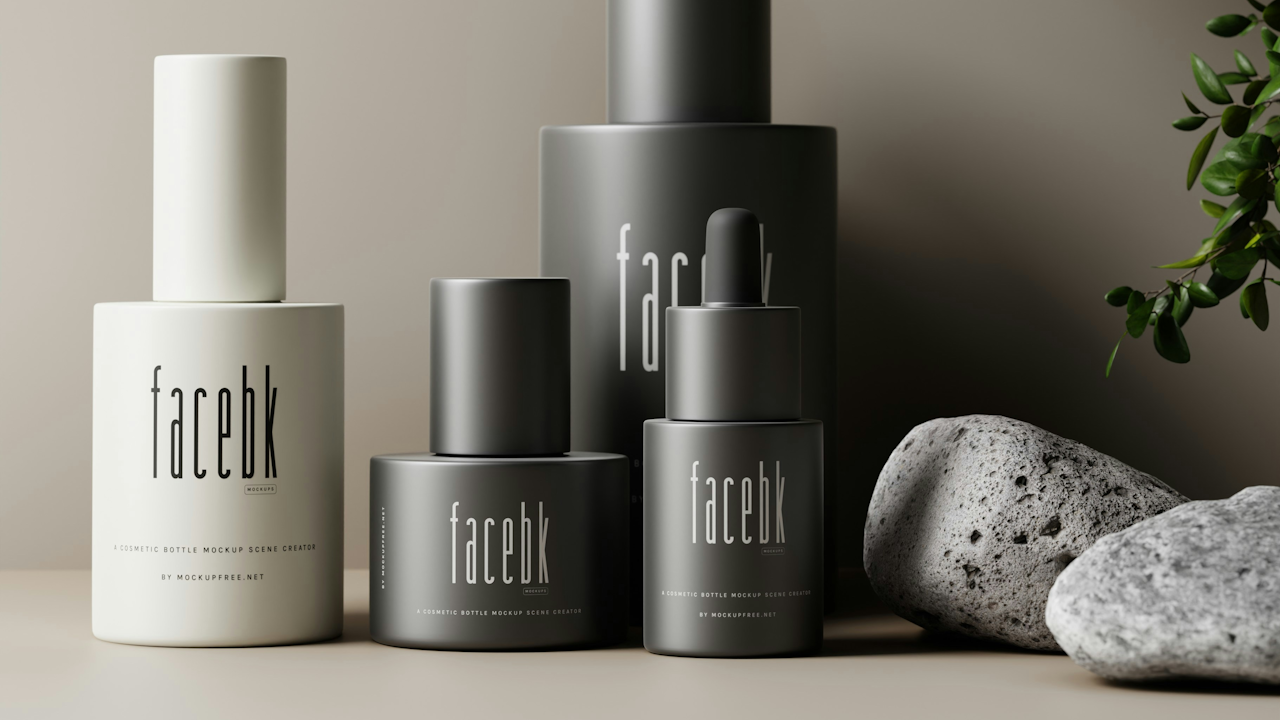
In an era defined by information overload and endless consumer choices, a quiet revolution has taken hold in the beauty industry. Skinimalism, a portmanteau of “skin” and “minimalism,” champions the idea that effective skincare does not require a ten-step routine or a cabinet overflowing with serums, creams, and masks. Instead, it promotes a streamlined approach focused on quality over quantity, allowing the skin to function naturally while addressing essential needs. This movement has gained significant traction in recent years, influencing how people from teenagers to seasoned skincare enthusiasts approach their daily regimens. The philosophy is straightforward: less is more, and simplicity often yields superior results.
Understanding Skinimalism
At its core, skinimalism involves reducing one’s skincare routine to a handful of effective, multi-functional products. A typical skinimalist routine might include just a gentle cleanser, a hydrating moisturizer, sunscreen, and perhaps one or two targeted treatments such as a vitamin C serum or retinol. The emphasis is on ingredients that serve multiple purposes and formulations that respect the skin’s natural barrier rather than overwhelming it with layers of active compounds.
This approach stands in stark contrast to the maximalist trends that dominated the early 2010s, when consumers were encouraged to layer numerous products for optimal results. Influencers and brands promoted elaborate routines inspired by Korean beauty practices, complete with essences, toners, ampoules, and sheet masks. While these methods introduced many to advanced skincare science, they also led to a phenomenon known as “skincare fatigue” and, in some cases, damaged skin barriers from over-exfoliation and ingredient conflicts.
Skinimalism emerged as a corrective response. It draws inspiration from minimalist living philosophies popularized by figures like Marie Kondo, who advocate decluttering spaces and minds. Applied to skincare, this means curating a collection of products that truly deliver results without unnecessary complexity.
The Historical Context and Catalysts for Its Rise
The roots of skinimalism can be traced back to several cultural and scientific shifts. In the 2000s and early 2010s, the beauty industry experienced explosive growth with the introduction of potent active ingredients like retinoids, alpha hydroxy acids, and niacinamide. Consumers, armed with newfound knowledge from online forums and social media, began experimenting enthusiastically. However, dermatologists soon noticed an uptick in patients presenting with irritated, sensitized skin.
The COVID-19 pandemic accelerated the shift toward minimalism across many aspects of life. With lockdowns limiting social interactions and access to salons or stores, people simplified their routines out of necessity. Many discovered that their skin improved when they stripped back layers of products. This period also fostered greater self-reflection and a desire for sustainable, low-waste lifestyles.
Social media platforms played a dual role. While they once amplified complex routines through detailed tutorials, they later became venues for skinimalist advocates sharing before-and-after photos of simplified regimens. Hashtags like #skinimalism and #minimalistskincare gained momentum, with users reporting clearer complexions, reduced breakouts, and less irritation after downsizing their collections.
Economic factors also contributed. Rising inflation and cost-of-living pressures made consumers more discerning about purchases. Why invest in a dozen specialized products when a few versatile ones could suffice? Additionally, growing environmental awareness pushed individuals toward brands emphasizing clean, ethical formulations with minimal packaging.
Scientific Reasons Why Less is More
The principle that less is more in skincare is backed by dermatological science. The skin possesses a natural barrier composed of lipids, ceramides, and fatty acids that protects against environmental stressors and prevents moisture loss. Overloading this barrier with too many products, especially those containing harsh surfactants, exfoliants, or fragrances, can compromise its integrity. This leads to issues such as increased sensitivity, redness, dryness, and even accelerated aging.
Dermatologists often explain that the skin needs time to adjust to new ingredients. Introducing multiple actives simultaneously increases the risk of irritation and makes it difficult to identify which product is causing problems. A skinimalist approach allows for better tolerance building and observation of individual responses.
For instance, niacinamide has become a staple in minimal routines because it addresses multiple concerns: it strengthens the barrier, regulates oil production, minimizes pores, and brightens skin tone. Similarly, a good moisturizer with ceramides and hyaluronic acid can hydrate while supporting repair processes. Sunscreen remains non-negotiable, as UV protection is the most effective anti-aging measure available.
Research published in dermatology journals supports the benefits of simplification. Studies on skin barrier function show that consistent use of fewer, well-formulated products leads to measurable improvements in hydration levels and reduced transepidermal water loss. Patients with conditions like eczema or rosacea frequently report better outcomes when they pare down to basics prescribed by their doctors.
Benefits Beyond the Skin
The advantages of skinimalism extend far beyond physical improvements. Mentally, managing a shorter routine reduces decision fatigue and morning stress. Instead of spending twenty minutes layering products, users can complete their regimen in five to ten minutes, freeing up time and mental energy.
Financially, the savings are substantial. A full maximalist routine can cost hundreds of dollars monthly, whereas a skinimalist one might require only fifty to one hundred dollars for quality essentials that last longer. This democratizes skincare, making effective regimens accessible to a broader audience regardless of income level.
Sustainability is another major draw. Fewer products mean less packaging waste, reduced carbon footprint from manufacturing and shipping, and a lower likelihood of products expiring before use. Many skinimalist enthusiasts opt for multi-use items, such as balms that double as cleansers and moisturizers, further minimizing environmental impact.
Psychologically, embracing skinimalism fosters a healthier relationship with one’s appearance. It shifts focus from chasing perfection through endless products to nurturing skin health through consistency and gentleness. This aligns with broader wellness movements that prioritize self-acceptance and long-term well-being over quick fixes.
How to Adopt a Skinimalist Routine
Transitioning to skinimalism requires patience and a willingness to edit one’s collection. Start by evaluating current products and their purposes. Eliminate duplicates or items that provide overlapping benefits. Retain essentials: a cleanser suited to your skin type, a moisturizer, and broad-spectrum sunscreen with at least SPF 30.
Patch test any new additions and introduce them one at a time, waiting at least two weeks before adding another. Focus on proven ingredients backed by clinical evidence rather than trendy ones with limited research. For dry skin, prioritize hydration heroes like glycerin and squalane. Oily or acne-prone skin benefits from lightweight gels containing salicylic acid or zinc. Mature skin may incorporate gentle retinoids or peptides sparingly.
Evening routines can be slightly more involved but should still remain concise. Double cleansing is optional and depends on whether makeup or sunscreen is worn. Nighttime often features a treatment step, such as a mild exfoliant a few times weekly, followed by moisturizer.
Customization is key. Skinimalism does not mean a one-size-fits-all approach; it means tailoring the minimal selection to individual needs, climate, and lifestyle. Those with specific concerns like hyperpigmentation might keep a targeted brightening agent, but the overall goal remains restraint.
Expert Perspectives
Dermatologists worldwide have increasingly endorsed skinimalism. Dr. Whitney Bowe, a prominent New York dermatologist, has spoken about the importance of preserving the skin microbiome and barrier through simplified care. She notes that many patients see dramatic improvements simply by stopping the use of unnecessary actives.
In the United Kingdom and Europe, practitioners emphasize evidence-based minimalism, cautioning against the hype surrounding certain ingredients. Asian skincare experts, while historically associated with multi-step routines, have also adapted by promoting “smart minimalism” that combines the best of traditional wisdom with modern science.
Influencers who once promoted elaborate routines have pivoted to skinimalism, sharing authentic journeys of skin recovery. Their transparency has helped normalize the idea that glowing skin often results from consistency, diet, sleep, and stress management rather than product accumulation.
Challenges and Criticisms
Despite its appeal, skinimalism faces some pushback. Critics argue that certain skin concerns genuinely require more targeted interventions, and dismissing multi-step approaches entirely overlooks individual variability. Those with severe acne, for example, may need prescription treatments alongside a simplified base routine.
Marketing can complicate adoption. Brands continue to launch new products at a rapid pace, creating FOMO (fear of missing out) that tempts consumers away from minimalism. Additionally, social media filters and edited images can create unrealistic expectations, making it hard to appreciate the gradual improvements that come with patience.
Not everyone has access to high-quality minimalist products, particularly in regions with limited skincare options. Education remains crucial to help consumers distinguish between genuinely effective basics and those that are simply repackaged trends.
Looking Ahead: The Future of Skinimalism
As we move further into the late 2020s, skinimalism shows no signs of fading. Instead, it is evolving. Innovations in formulation technology allow single products to deliver more comprehensive benefits, such as moisturizers with built-in antioxidants or sunscreens that also treat pigmentation. Personalized skincare through DNA testing or AI recommendations may further refine minimal routines to be precisely calibrated.
The movement also intersects with clean beauty and gender-neutral approaches, broadening its appeal. Men, in particular, have embraced skinimalism for its no-nonsense efficiency. Younger generations, influenced by sustainability values, are likely to carry these principles forward.
Ultimately, the rise of skinimalism reflects a cultural shift toward intentionality in consumption. By choosing less, individuals often gain more: healthier skin, reduced waste, financial savings, and peace of mind. In a world saturated with options, the power lies in thoughtful selection and trust in the skin’s innate resilience when supported thoughtfully.
This philosophy extends beyond skincare. It encourages a mindful approach to wellness overall, reminding us that sometimes the most effective solutions are the simplest ones. As more people experience the benefits firsthand, skinimalism is poised to remain a defining trend, proving definitively that when it comes to caring for our skin, less truly can be more.