

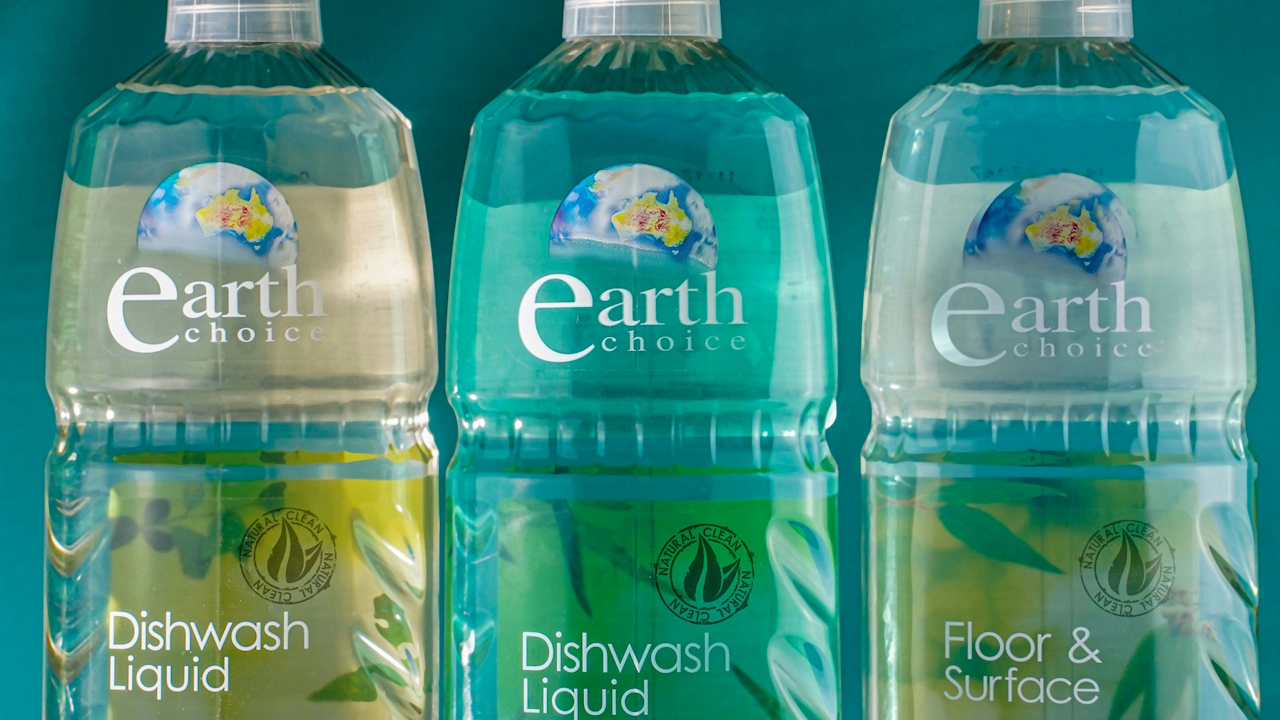
Natural cleaning products offer a safe, effective, and affordable alternative to commercial cleaners filled with harsh chemicals. Many store-bought options contain ingredients that can irritate skin, harm indoor air quality, and damage the environment. By making your own cleaners at home, you gain control over what goes into your living spaces, reduce exposure to toxins, and often save money in the process. These recipes rely on simple pantry staples and natural substances that have been used for generations.
This guide provides detailed instructions for creating a wide range of natural cleaners. You will learn about essential ingredients, safety tips, and step-by-step recipes for every area of your home. With a bit of preparation, you can build a complete natural cleaning kit that handles everything from daily wiping to deep scrubbing.
Why Choose Natural Cleaning Products?
Commercial cleaners frequently include synthetic fragrances, phosphates, chlorine, and ammonia. These substances may contribute to respiratory issues, allergic reactions, and water pollution when washed down drains. Natural alternatives use plant-based or mineral ingredients that break down safely in the environment.
Benefits include:
- Cost effectiveness: Most ingredients cost pennies per use.
- Customization: Adjust scents and strengths to your preferences.
- Gentler on surfaces: Many natural cleaners avoid damaging wood, stone, or grout.
- Child and pet friendly: Reduced risk of harmful residues.
- Sustainability: Less plastic packaging waste.
Switching to homemade cleaners can transform your cleaning routine into a healthier habit.
Essential Ingredients and Tools
Stock these common items to make most recipes in this article. Keep them in a dedicated cleaning cabinet away from direct sunlight.
Core Ingredients
- White distilled vinegar: Cuts grease, kills bacteria, and removes mineral deposits. Its acidity makes it a powerful disinfectant.
- Baking soda: Acts as a mild abrasive and deodorizer. It neutralizes odors and helps scrub stuck-on messes.
- Lemons or lemon juice: Provides natural acidity and a fresh scent. The citric acid dissolves soap scum and shines surfaces.
- Castile soap or liquid dish soap (unscented): A gentle surfactant that lifts dirt without harsh chemicals.
- Essential oils: Tea tree, lavender, lemon, eucalyptus, and peppermint add antibacterial properties and pleasant aromas. Always use pure essential oils.
- Hydrogen peroxide (3 percent solution): A natural bleaching agent and disinfectant.
- Borax: Enhances cleaning power for laundry and tough stains. Use sparingly and with caution around children.
- Olive oil or coconut oil: Conditions wood surfaces.
- Cornstarch: Absorbs grease and polishes glass.
- Washing soda: A stronger version of baking soda for heavy-duty jobs.
- Salt: Works as an abrasive for scrubbing.
Tools You Will Need
- Spray bottles (glass preferred to avoid plastic leaching)
- Mixing bowls and measuring cups
- Funnels for easy pouring
- Labels and permanent markers
- Microfiber cloths, sponges, and old rags
- Scrub brushes
Purchase ingredients in bulk to save money and reduce waste. Glass jars and bottles work well for storage.
Safety Precautions
Even natural cleaners require respect. Vinegar and hydrogen peroxide should not be mixed together as they can create harmful gases. Always test cleaners on small, inconspicuous areas first, especially on delicate surfaces like marble or unsealed wood. Label every container clearly with contents and date. Store out of reach of children and pets. If you have sensitivities, wear gloves during preparation and use. Essential oils can be potent; dilute them properly and avoid direct skin contact if undiluted.
All-Purpose Cleaner
This versatile spray works on countertops, tables, and most non-porous surfaces.
Ingredients:
- 2 cups water
- 1 cup white vinegar
- 1 tablespoon castile soap
- 15 drops essential oil (lemon or tea tree for antibacterial boost)
Instructions:
- Pour water and vinegar into a spray bottle using a funnel.
- Add castile soap and essential oils.
- Shake gently to combine.
- Spray on surfaces and wipe with a microfiber cloth.
For tougher jobs, let the solution sit for a few minutes before wiping. This cleaner disinfects lightly and leaves a streak-free finish. Refresh the scent by changing essential oils seasonally.
Glass and Window Cleaner
Achieve sparkling windows without ammonia fumes.
Ingredients:
- 2 cups water
- 1/2 cup white vinegar
- 1/4 cup rubbing alcohol (isopropyl 70 percent)
- 10 drops lavender essential oil (optional)
Instructions:
- Combine all ingredients in a spray bottle.
- Shake well before each use.
- Spray lightly on glass and wipe with crumpled newspaper or a lint-free cloth for best results.
This formula evaporates quickly, preventing streaks. Avoid using on very hot days when liquid dries too fast. For mirrors, apply sparingly to prevent drips.
Bathroom Cleaner
Tackle soap scum, mildew, and hard water stains in showers and tubs.
Ingredients:
- 1 cup baking soda
- 1/2 cup castile soap
- 1/2 cup hydrogen peroxide
- 20 drops tea tree essential oil
- 10 drops lemon essential oil
Instructions:
- Mix baking soda and castile soap in a bowl to form a paste.
- Slowly add hydrogen peroxide while stirring.
- Incorporate essential oils.
- Apply paste to surfaces with a sponge or brush.
- Let sit for 10 to 15 minutes, then scrub and rinse.
For daily maintenance, create a spray version by diluting the paste with equal parts water. Tea tree oil helps combat mold naturally.
Kitchen Degreaser
Cut through grease on stovetops and range hoods.
Ingredients:
- 2 cups warm water
- 1 tablespoon baking soda
- 1 tablespoon castile soap
- Juice of one lemon
- 10 drops orange or grapefruit essential oil
Instructions:
- Dissolve baking soda in warm water.
- Add castile soap and lemon juice.
- Mix in essential oil.
- Spray generously on greasy areas.
- Allow to sit for five minutes, then wipe clean with a damp cloth.
Lemon juice breaks down grease effectively while the citrus scent neutralizes cooking odors.
Floor Cleaner
Suitable for tile, laminate, and sealed hardwood floors. Avoid on unsealed wood.
Ingredients:
- 1 gallon warm water
- 1 cup white vinegar
- 1/4 cup castile soap
- 10 drops essential oil of choice
Instructions:
- Fill a bucket with warm water.
- Add vinegar, castile soap, and essential oil.
- Stir gently.
- Mop floors as usual, wringing out excess liquid to prevent pooling.
For vinyl floors, reduce vinegar to half a cup. This solution lifts dirt without leaving residue.
Natural Laundry Detergent
Make powder or liquid versions for fresh, clean clothes.
Powder Recipe:
- 2 cups washing soda
- 2 cups borax
- 1 cup baking soda
- 1 bar castile soap, grated finely
- 20 drops lavender essential oil
Instructions:
- Mix dry ingredients thoroughly in a large bowl.
- Add grated soap and essential oil.
- Store in an airtight container.
- Use 2 tablespoons per load.
Liquid Version: Combine equal parts washing soda and borax with hot water, then add castile soap. Shake before use. This detergent works in high-efficiency machines and is gentle on fabrics.
Dish Soap
Gentle on hands and effective on dishes.
Ingredients:
- 1 cup castile soap
- 1/2 cup distilled water
- 1 tablespoon white vinegar
- 1 tablespoon baking soda
- 10 drops lemon essential oil
Instructions:
- Warm water slightly.
- Dissolve baking soda in water.
- Add castile soap and vinegar.
- Stir in essential oil.
- Pour into a soap dispenser.
This soap cuts grease and rinses cleanly. For stubborn pots, sprinkle baking soda directly and scrub.
Air Freshener and Odor Eliminator
Replace synthetic sprays with natural alternatives.
Simple Spray:
- 1 cup water
- 1/2 cup white vinegar
- 15 drops essential oils (combine peppermint and citrus)
Instructions:
- Mix in spray bottle.
- Shake and spray into air or on fabrics.
Baking Soda Carpet Freshener: Sprinkle baking soda mixed with essential oils on carpets, let sit 15 minutes, then vacuum.
For ongoing freshness, simmer water with citrus peels and herbs on the stove.
Oven Cleaner
Tackle baked-on grease without toxic fumes.
Ingredients:
- 1 cup baking soda
- 1/2 cup salt
- 1/2 cup water
- Juice of two lemons
Instructions:
- Combine baking soda and salt.
- Add water and lemon juice to make a thick paste.
- Spread paste inside cool oven.
- Let sit overnight.
- Wipe clean in the morning with a damp sponge.
Repeat for heavy buildup. This method requires more elbow grease but avoids dangerous commercial oven cleaners.
Drain Cleaner and Maintainer
Prevent clogs naturally.
Maintenance Treatment:
- 1/2 cup baking soda
- 1/2 cup white vinegar
- 1 cup boiling water
Instructions:
- Pour baking soda down drain.
- Follow with vinegar (it will fizz).
- Let sit 10 minutes.
- Flush with boiling water.
Repeat weekly. For stubborn clogs, use a plunger after the fizzing reaction.
Furniture Polish
Protect and shine wood surfaces.
Ingredients:
- 1 cup olive oil
- 1/2 cup lemon juice
- 10 drops lemon essential oil
Instructions:
- Mix ingredients in a bottle.
- Shake well.
- Apply small amount to soft cloth.
- Rub into wood following the grain.
Test on a hidden spot first. This polish nourishes wood and repels dust.
Additional Tips for Success
- Batch prepare cleaners monthly to maintain freshness.
- Use old towels and T-shirts as reusable cleaning rags to reduce paper towel waste.
- Shake or stir mixtures before each use since natural ingredients may separate.
- Adjust recipes based on water hardness in your area. Add more vinegar for hard water.
- For disinfecting power, allow surfaces to air dry after cleaning.
- Combine cleaners with good habits like immediate spill cleanup and regular dusting.
- Experiment safely with scents but research essential oil safety for pets.
Storage and Shelf Life
Store most sprays in cool, dark places. Vinegar-based cleaners last several months. Soap-based ones may need remixing if they thicken. Check for off smells or mold before use and discard if in doubt. Glass containers prevent chemical interactions common with plastic.
Common Mistakes to Avoid
Do not substitute apple cider vinegar for white vinegar in cleaning recipes as it may stain. Overuse of essential oils can cause residue or overpowering scents. Always dilute properly. Natural cleaners may require more frequent application initially until built-up chemicals from old products disappear.
Conclusion
Creating natural cleaning products at home empowers you to maintain a clean, healthy environment without relying on commercial chemicals. Start with a few basic recipes like all-purpose spray and glass cleaner, then expand your collection as needed. Over time, these homemade solutions will become second nature, saving you money while protecting your family and the planet.
Consistency matters more than perfection. Small changes in your cleaning routine can lead to significant improvements in air quality and overall well-being. Gather your ingredients, label your bottles, and enjoy the satisfaction of a naturally clean home made with your own hands. With practice, you will develop personalized variations that perfectly suit your household needs. Happy cleaning.