

Pickup trucks have long symbolized rugged utility, American ingenuity, and raw power. For decades, they dominated sales charts with their gasoline and diesel engines, hauling heavy loads across construction sites, farms, and highways. Yet in recent years, a profound transformation has taken place. Electric pickup trucks are rising rapidly, blending traditional capability with modern efficiency. This shift represents more than a change in propulsion; it redefines what a pickup can be in an era demanding sustainability without sacrificing performance.
The transition did not happen overnight. Pickup trucks evolved from basic workhorses in the early 20th century to lifestyle vehicles by the late 1900s. Models like the Ford F-Series, Chevrolet Silverado, and Ram 1500 became cultural icons, with powerful V8 engines delivering torque for towing boats, trailers, and equipment. However, concerns over fuel consumption, emissions, and fluctuating oil prices began to challenge this dominance. Regulatory pressures for lower carbon footprints, combined with advancements in battery technology, paved the way for electrification.
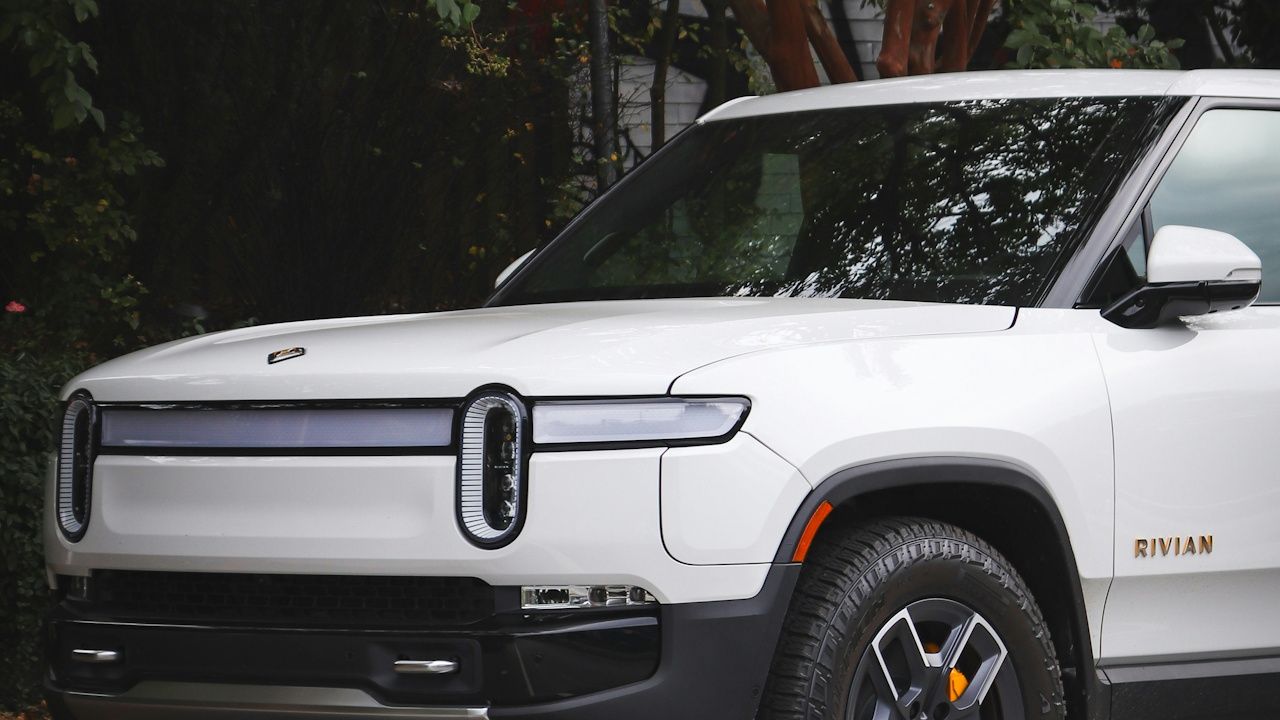
Early experiments with electric pickups were modest. Companies like Tesla and startups such as Rivian recognized the potential in the segment. Tesla’s announcement of the Cybertruck in 2019 captured global attention with its futuristic, angular design and bold performance claims. Though production faced delays, the vehicle ultimately reached customers in late 2023 and gained significant traction by 2025. Rivian, founded in 2009, focused exclusively on adventure-oriented electric vehicles. Its R1T pickup debuted in 2021, offering off-road prowess alongside everyday usability.
Traditional automakers soon followed. Ford introduced the F-150 Lightning in 2022, electrifying its best-selling nameplate. The Lightning retained the familiar F-150 silhouette while incorporating dual electric motors and a large battery pack. General Motors entered the fray with the Chevrolet Silverado EV and GMC Sierra EV, leveraging its Ultium battery platform. Ram, part of Stellantis, developed the Ram 1500 REV, promising class-leading range and towing capacity. By 2026, the electric pickup market includes offerings from both legacy manufacturers and new entrants, signaling broad industry commitment.
At the heart of these vehicles lies sophisticated electric powertrain technology. Most electric pickups use one or more electric motors paired with high-capacity lithium-ion battery packs. For instance, the Ford F-150 Lightning offers configurations with extended-range batteries delivering over 300 miles of range on a single charge. Dual-motor all-wheel-drive setups provide instant torque, often exceeding 700 pound-feet, enabling rapid acceleration despite the trucks’ substantial curb weights.
Efficiency stands as a defining advantage. Internal combustion engines waste significant energy as heat, achieving roughly 20 to 30 percent thermal efficiency. Electric motors, by contrast, convert over 85 percent of electrical energy into motion. This translates to lower operating costs. Owners report electricity expenses equivalent to paying less than two dollars per gallon of gasoline, depending on local rates and driving habits. Regenerative braking further enhances efficiency by recapturing energy during deceleration, particularly useful in stop-and-go urban driving or when descending mountain passes.
Power delivery in electric pickups feels transformative. Traditional trucks build torque through engine revs and gear shifts. Electric versions deliver maximum torque from zero RPM, enabling effortless merging onto highways and confident passing. Towing capacities have reached parity with or surpassed combustion counterparts. The Cybertruck, for example, boasts up to 11,000 pounds of towing capability in certain configurations, while the Silverado EV targets 20,000 pounds when properly equipped. This performance stems from the inherent characteristics of electric motors, which maintain consistent output without the power fade common in overheated gasoline engines during sustained heavy loads.
Beyond raw numbers, electric pickups introduce innovative features tailored to modern needs. Many include power export capabilities, turning the truck into a mobile generator. The F-150 Lightning offers up to 9.6 kilowatts of onboard power, sufficient to run tools on a job site or provide backup electricity during outages. Rivian’s R1T includes gear tunnels for storing equipment and an adaptable bed system. Advanced driver assistance systems, over-the-air software updates, and expansive digital dashboards enhance usability. These trucks often accelerate from zero to 60 miles per hour in under four seconds, challenging sports cars while hauling cargo.
Environmental benefits drive much of the appeal. Transportation accounts for a substantial portion of global greenhouse gas emissions, and pickups represent a large share of new vehicle sales in North America. Electric models produce zero tailpipe emissions, reducing local air pollution in cities and rural areas alike. Lifecycle analyses suggest that even when accounting for battery production and electricity generation, electric pickups emit significantly less carbon over their lifetimes than gasoline equivalents, especially as grids incorporate more renewable sources.
Market adoption has accelerated. In the United States, electric vehicle sales overall surpassed 10 percent of new vehicles by 2025, with pickups contributing meaningfully. Fleet operators, including construction companies and utilities, increasingly choose electric models for lower maintenance requirements. Electric powertrains have fewer moving parts than combustion engines, reducing needs for oil changes and transmission servicing. Government incentives, such as federal tax credits under the Inflation Reduction Act, have lowered effective purchase prices, though eligibility depends on battery sourcing and assembly location.
Despite the momentum, challenges persist. High upfront costs remain a barrier. Many electric pickups start above $60,000, pricing them out of reach for some traditional buyers. Battery weight adds hundreds of pounds compared to a standard truck, potentially affecting payload ratings and ride dynamics, although manufacturers mitigate this through clever chassis engineering. Charging infrastructure, while expanding, still lags in remote areas where pickups often operate. A full charge can take 30 minutes or more at high-speed stations, compared to minutes for refueling at a gas pump.
Range anxiety also factors into buyer hesitation. Real-world conditions, including cold weather, heavy towing, or highway speeds, can reduce advertised ranges by 20 to 40 percent. Manufacturers address this through larger battery options and improved thermal management systems. Payload and towing ratings require careful consideration, as added weight from batteries influences vehicle dynamics under load. Durability in extreme conditions, such as deep water crossings or prolonged off-road use, continues to be tested in the field.
Consumer perceptions are evolving. Early adopters praise the quiet cabins, smooth acceleration, and lower total cost of ownership. Skeptics question long-term battery degradation and resale values. Independent testing organizations have validated strong real-world performance, with many electric pickups demonstrating reliability comparable to or better than conventional models in initial years of service.
Looking ahead, the electric pickup segment shows tremendous potential. Solid-state batteries promise higher energy density, faster charging, and lighter weight, potentially entering production vehicles by the late 2020s. Wireless charging pads at homes or workplaces could simplify daily use. Autonomous driving features may integrate deeply, allowing trucks to handle repetitive tasks like highway cruising or even automated loading in controlled environments.
Global markets are opening. Europe and Asia, where pickup sales were historically smaller, show growing interest in electrified utility vehicles for commercial applications. Chinese manufacturers like BYD are developing competitive models, intensifying innovation and price competition worldwide. In North America, where pickups account for roughly one in five new vehicle sales, electric versions could capture 30 percent or more of the segment by 2030 if trends continue.
The rise of electric pickups illustrates a broader convergence of power and efficiency. These vehicles preserve the utility and presence that made pickups enduringly popular while addressing environmental imperatives and delivering superior driving dynamics. They appeal to contractors needing dependable workhorses, families seeking versatile daily drivers, and adventurers exploring remote trails. As battery costs decline and technology matures, electric pickups will likely become the default choice rather than a niche alternative.
This evolution reflects ingenuity meeting necessity. Automakers have invested billions in research, production facilities, and supply chains. Consumers benefit from choice, performance, and reduced operating expenses. Society gains from cleaner air and reduced dependence on fossil fuels. While hurdles remain, the trajectory is clear: electric pickup trucks are not a passing fad but a fundamental advancement in automotive design.
In conclusion, the marriage of electric propulsion with pickup truck capability marks a pivotal chapter in transportation history. Power no longer requires compromise on efficiency, and utility need not conflict with sustainability. As these vehicles proliferate, they will reshape roads, industries, and expectations for years to come. The pickup truck, once defined by roaring engines and exhaust notes, now hums forward into an electrified future that honors its heritage while embracing innovation.