

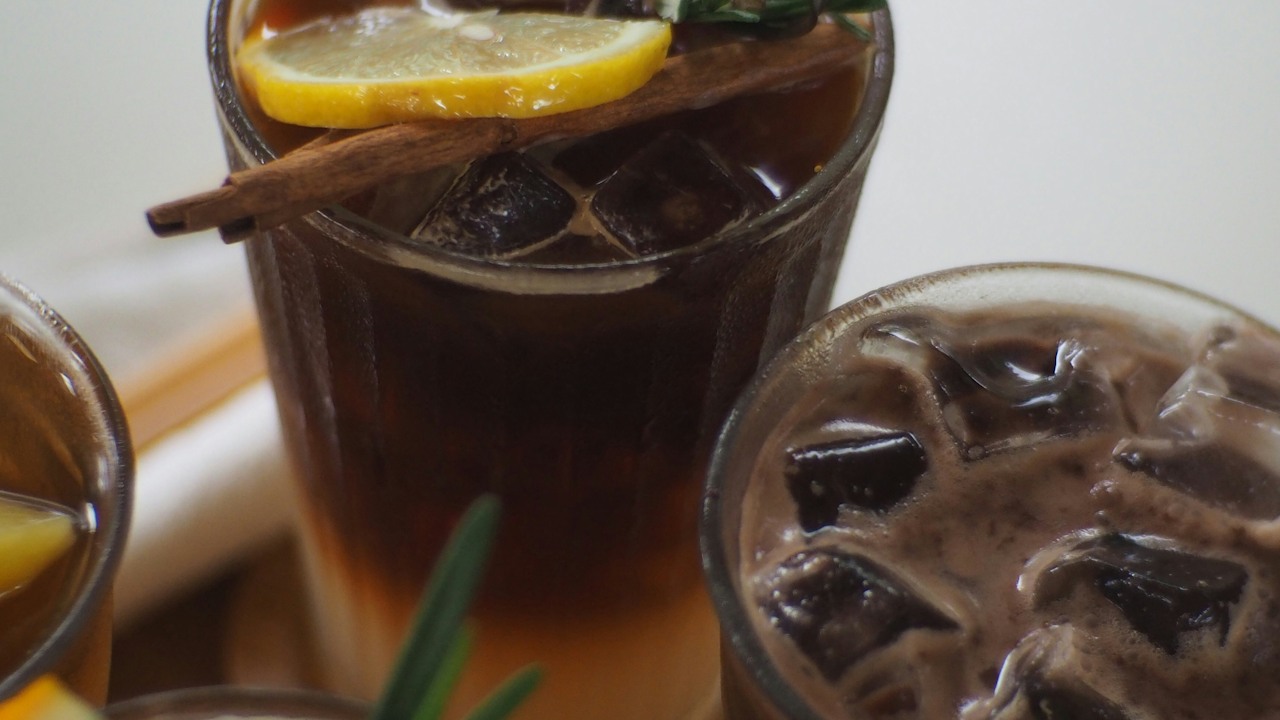
The cocktail world has undergone a quiet revolution. While alcoholic spirits still command attention in many bars, a new category has risen with equal sophistication and creativity: artisanal mocktails. These non-alcoholic drinks have shed their former reputation as simple juice mixtures or overly sweet stand-ins. Today, they arrive at tables with house-made syrups, intricate garnishes, precise infusions, and flavor profiles that rival their boozy counterparts. Mixologists treat zero-proof beverages with the same precision once reserved for classic cocktails, turning the humble mocktail into a gourmet experience.
This shift reflects broader cultural changes. More people are choosing to drink less or not at all, driven by health awareness, wellness trends, and a desire for mindful social experiences. The sober-curious movement has gained momentum, encouraging individuals to explore social settings without alcohol while still enjoying complex, celebratory drinks. Restaurants and bars have responded by investing in dedicated non-alcoholic menus that showcase technique and innovation rather than mere abstinence.
The Evolution of Non-Alcoholic Beverages
Non-alcoholic drinks have existed for decades, often as afterthoughts on menus. Early versions relied on sodas, grenadine, or basic fruit punches. The modern artisanal mocktail traces its roots to the early 2000s when pioneering bartenders began experimenting with high-quality ingredients. Figures like Audrey Saunders at New York’s Pegu Club and later innovators at bars such as The Dead Rabbit and Employees Only started incorporating non-alcoholic elements with the same care as spirits.
By the 2010s, the craft cocktail boom had spilled over into zero-proof territory. Distilleries began producing non-alcoholic spirits that captured the botanical essence of gin or the smoky depth of whiskey without the alcohol. Brands focused on fermentation, distillation of herbs, and advanced flavor extraction techniques. What began as an accommodation for designated drivers or pregnant guests has become a centerpiece offering, appealing to everyone from fitness enthusiasts to curious flavor seekers.
Today, top establishments dedicate entire sections or even separate bars to mocktails. In cities like London, New York, Los Angeles, and Tokyo, guests pay premium prices for drinks that feature rare teas, wild-foraged botanicals, and laboratory-precision clarifications. The presentation matches the ambition: crystal-clear liquids, dramatic foams, smoked glassware, and edible flowers arranged with architectural precision.
Core Principles of Artisanal Mocktail Making
Creating gourmet mocktails demands mastery of several key elements. Balance remains paramount. Without alcohol’s warmth and structure, makers rely on acidity, sweetness, bitterness, and texture to build complexity.
Fresh Ingredients form the foundation. Artisanal mocktails avoid bottled juices in favor of cold-pressed extracts, seasonal fruits, and vegetables. A single drink might incorporate blood orange, cucumber, and ginger, each prepared differently to maximize flavor. Herbs are muddled gently to release aromatic oils without bitterness. Spices undergo toasting or infusion to deepen their character.
House-Made Syrups and Shrubs add depth. Bartenders craft syrups from unusual bases such as roasted pineapple, lavender honey, or smoked vanilla. Shrubs, or drinking vinegars, provide bright acidity and preservation qualities. A strawberry-balsamic shrub, for example, delivers both sweetness and tangy complexity that lingers on the palate.
Non-Alcoholic Spirits and Bitters have expanded the toolkit dramatically. Distilled botanical blends mimic gin or rum, while sophisticated aperitif alternatives offer herbal bitterness. Non-alcoholic bitters bring aromatic intensity without heaviness. These products allow for classic cocktail reinterpretations, such as a zero-proof Negroni or Old Fashioned, that surprise even seasoned drinkers.
Technique Matters as much as ingredients. Clarification methods like milk washing or agar clarification produce silky textures. Nitrogen charging creates effervescent foams. Sous-vide infusions extract flavors at controlled temperatures. Layering different densities creates visual gradients in the glass. Every step receives attention that elevates the final product.
Garnishes transcend decoration. They contribute aroma, texture, and flavor. A dehydrated citrus wheel might add concentrated zest, while a sprig of fresh mint releases oils with each sip. Edible salts, chili threads, or gold leaf provide final flourishes that delight the eyes and tongue.
Signature Recipes for the Home Bartender
Creating artisanal mocktails at home requires investment in quality tools and ingredients, but the results justify the effort. Here are several detailed recipes that demonstrate different approaches.
Smoky Grapefruit and Rosemary Sparkler
This drink balances bright citrus with herbal depth and subtle smoke.
Ingredients:
- 4 ounces fresh grapefruit juice
- 1 ounce rosemary-infused honey syrup (made by simmering honey with fresh rosemary)
- 0.5 ounce fresh lime juice
- 2 dashes non-alcoholic bitters
- 3 ounces sparkling water
- Garnish: rosemary sprig, grapefruit twist, smoked sea salt rim
Preparation: Rim a highball glass with smoked sea salt. Fill with ice. Combine grapefruit juice, honey syrup, lime juice, and bitters in a shaker with ice. Shake vigorously for 15 seconds. Strain into the prepared glass. Top with sparkling water. Express the oils from the grapefruit twist over the drink and add the rosemary sprig. The smoke from the salt rim integrates gradually, creating evolving flavor layers.
Hibiscus Ginger Fizz with Turmeric
A vibrant, anti-inflammatory option that showcases bold colors and warming spices.
Ingredients:
- 3 ounces hibiscus tea, brewed strong and chilled
- 1.5 ounces fresh ginger juice (pressed from fresh root)
- 1 ounce fresh lemon juice
- 0.75 ounce agave-turmeric syrup (agave infused with fresh turmeric root)
- 2 ounces coconut water
- Garnish: candied ginger, edible hibiscus flower, lemon wheel
Preparation: Build the drink in a Collins glass over large ice cubes. Stir gently to combine. The deep crimson of the hibiscus contrasts beautifully with the golden turmeric notes. The coconut water adds subtle creaminess that rounds out the sharp ginger heat.
Fig and Black Tea Old Fashioned Style
A sophisticated stirred drink for those seeking contemplative sipping.
Ingredients:
- 2 ounces strong-brewed lapsang souchong tea, chilled
- 1 ounce fig syrup (made from dried figs simmered with water and a touch of balsamic)
- 0.5 ounce fresh orange juice
- 3 dashes aromatic non-alcoholic bitters
- Garnish: orange twist, dried fig slice
Preparation: Stir all ingredients with ice in a mixing glass until well chilled. Strain into a rocks glass over a large ice cube. Express orange oils over the surface. This drink captures the contemplative essence of a traditional Old Fashioned through tea tannins and rich fig sweetness.
Cucumber Basil Cooler with Celery Bitters
A refreshing savory option perfect for warm weather or as an aperitif.
Ingredients:
- 4 cucumber slices, muddled
- 6 fresh basil leaves
- 1 ounce fresh lime juice
- 0.75 ounce simple syrup infused with celery seed
- 0.25 ounce verjus (unfermented grape juice)
- 3 dashes celery bitters
- Soda water to top
- Garnish: cucumber ribbon, basil bouquet
Preparation: Muddle cucumber and basil gently in a shaker. Add remaining ingredients except soda. Shake with ice and double strain into a chilled coupe glass. Top lightly with soda. The savory notes make this an excellent food pairing partner.
Pairing Mocktails with Food
Artisanal mocktails excel at the table. Their complexity complements diverse cuisines without overwhelming the palate as alcohol sometimes does. A bright, acidic mocktail cuts through rich, fatty dishes. Herbal and spiced versions enhance vegetable-forward meals. Sweet-tart profiles balance spicy foods.
Sommeliers increasingly recommend mocktail pairings alongside wine or cocktails. A smoked tomato and charred pepper mocktail might accompany grilled meats, while a floral elderflower and pear creation elevates delicate seafood. The absence of alcohol allows flavors to interact more directly with food components.
Health and Wellness Dimensions
Beyond flavor, these drinks offer tangible benefits. They provide hydration through fresh ingredients and sparkling elements. Many incorporate functional additions such as adaptogens, probiotics from shrubs, or antioxidant-rich botanicals. Lower sugar versions using natural sweeteners or fermented elements appeal to those monitoring blood sugar.
The ritual of a well-crafted mocktail supports social connection without compromising personal health goals. Guests report feeling energized rather than sluggish after evenings featuring these beverages. The mindful preparation and consumption process itself becomes a wellness practice.
Challenges and Future Directions
Despite progress, challenges remain. High-quality non-alcoholic spirits and specialty ingredients carry premium prices. Sourcing consistent fresh produce requires dedication. Some guests still view mocktails as lesser options, requiring education and exceptional execution to shift perceptions.
Looking ahead, innovation continues. Fermentation techniques borrowed from kombucha and kefir will likely expand flavor possibilities. Advanced clarification and emulsion methods will create new textures. Climate-conscious bartenders emphasize local, seasonal, and low-waste practices. Global influences from Asia, Latin America, and Africa will introduce new botanical profiles and traditions.
Technology may play a role through precise flavor modeling and custom blending systems. Yet the heart of artisanal mocktails remains human creativity and sensory intuition.
Embracing the Gourmet Zero-Proof Movement
Artisanal mocktails represent more than a trend. They signal a maturation of beverage culture that values inclusivity, creativity, and quality above all. Whether enjoying a night out, hosting friends, or simply treating oneself, these drinks offer sophistication without compromise.
For those new to the category, start with quality ingredients and simple recipes. Experiment with infusions and seasonal produce. Visit establishments known for strong non-alcoholic programs to experience the full potential. The journey into gourmet mocktails rewards curiosity with delightful discoveries at every step.
As more people recognize the pleasures of mindful drinking, artisanal mocktails will continue evolving from novelty to necessity on menus and in home bars. The future of drinking looks bright, flavorful, and refreshingly alcohol-optional.