

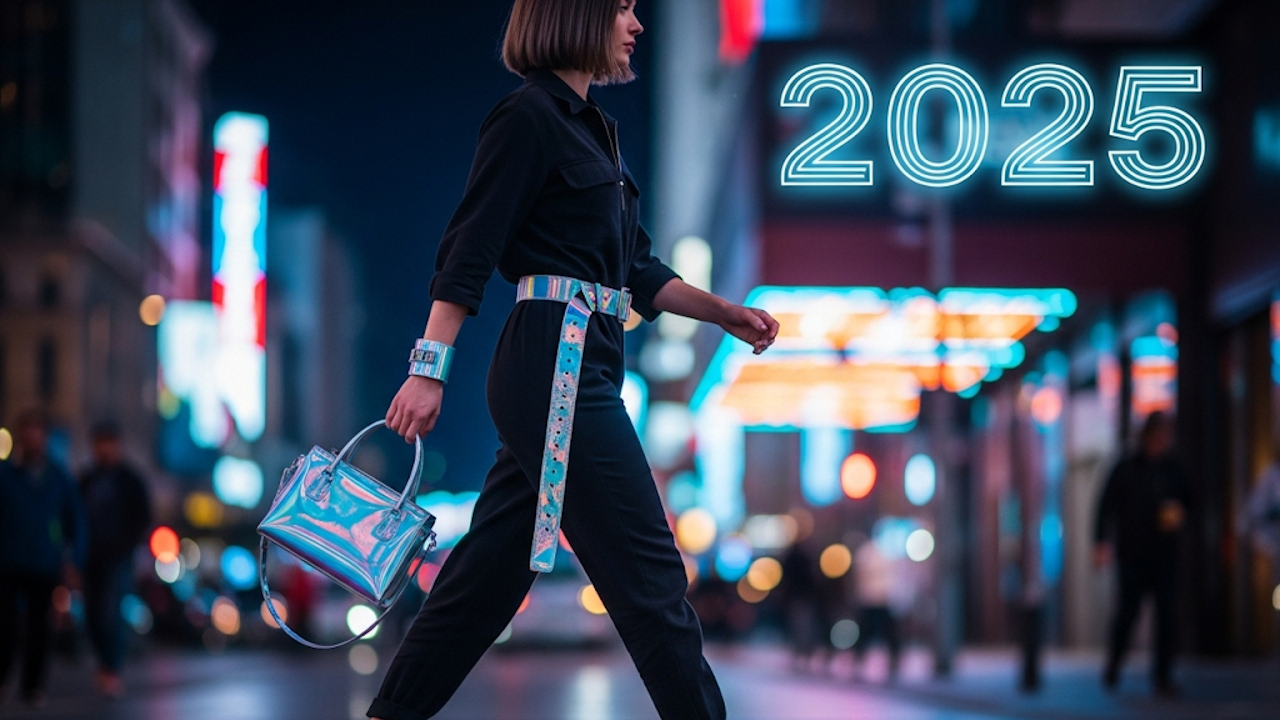
In the ever-evolving world of fashion, few trends capture the imagination quite like holographic accessories. As we moved through 2025, these iridescent pieces became more than just eye-catching novelties. They emerged as a defining statement of modern style, blending cutting-edge technology with artistic expression. Holographic materials shift colors and patterns depending on the angle of light, creating a dynamic visual experience that turns everyday outfits into captivating displays. From bustling city streets to high-profile events, these accessories added a layer of futuristic glamour that felt both playful and sophisticated.
The appeal of holographic accessories lies in their ability to transform light into art. Engineers and designers collaborated to develop advanced polymers and metallic films that produce vivid prismatic effects. Unlike earlier versions from the early 2000s that often appeared gimmicky, the 2025 iterations offered durability, comfort, and refined aesthetics. Manufacturers incorporated flexible substrates that resisted cracking while maintaining that signature shimmer. This technical progress allowed holographic elements to appear on a wide range of items without compromising wearability.
A brief look back shows how holographic fashion evolved. Early experiments appeared in the 1990s with reflective club wear and futuristic costumes. By the 2010s, designers like those at Balenciaga and Off-White incorporated holographic details into sneakers and bags. Yet 2025 marked a true breakthrough. Sustainability concerns pushed brands toward recycled holographic films derived from ocean plastics and bio-based resins. Innovations in nanotechnology enabled finer control over light refraction, resulting in deeper color shifts and even interactive patterns that responded subtly to movement or temperature.
Key categories dominated the market that year. Holographic handbags stood out as must-have items. Top designers released structured totes and crossbody styles with full holographic panels that shifted from electric blue to vivid magenta under sunlight. Smaller pouch bags featured holographic accents along zippers and straps, offering a subtler way to incorporate the trend. These bags paired effortlessly with neutral wardrobes, providing a pop of color without overwhelming the ensemble. Celebrity stylists favored oversized holographic shoppers for daytime events, noting how the material photographed beautifully under flash photography.
Jewelry experienced a major holographic revival. Statement necklaces with large pendant pieces captured attention at red carpet events. Layered chains incorporated holographic beads that created rainbow halos around the wearer’s neck. Earrings ranged from delicate holographic hoops to bold geometric drops that seemed to float with light. Rings and bracelets followed suit, often featuring holographic inlays set in minimalist metal bands. The versatility allowed these pieces to transition from office attire to evening looks. Many brands offered customizable options, letting customers select base colors or add personalized holographic engravings.
Footwear pushed boundaries in 2025. Holographic sneakers became street style staples, with chunky soles and iridescent uppers that changed hue with every step. High-end labels produced limited-edition boots and heels with holographic overlays on leather or suede. Platform sandals featured holographic straps that added height and visual drama. Even athletic brands integrated the material into running shoes, combining performance features with eye-catching aesthetics. Consumers appreciated the mood-boosting effect of these shoes, which seemed to energize outfits and inspire confidence.
Clothing accessories extended the holographic influence further. Scarves and wraps with holographic threading provided lightweight shimmer for transitional weather. Belts with holographic buckles or full panels cinched waists while adding dimension. Hair accessories such as clips, headbands, and scrunchies incorporated small holographic elements, making them popular among younger demographics. Tech-integrated pieces gained traction too. Smartwatch bands with holographic displays synced with devices to show notifications through shifting patterns. Sunglasses frames featured holographic arms that complemented various lens tints.
Styling holographic accessories required balance to maximize impact. Fashion experts recommended pairing them with solid colors or minimalist silhouettes. A classic black blazer over a white tee gained new life when paired with holographic earrings and a matching clutch. For bolder statements, mixing multiple holographic items worked when textures varied. A holographic bag with metallic shoes created harmony rather than chaos. Evening wear benefited immensely from these accessories. A simple slip dress transformed with holographic jewelry that caught candlelight beautifully. Daytime casual looks incorporated smaller pieces like holographic keychains or phone cases for subtle flair.
Sustainability played a central role in the 2025 holographic movement. Brands emphasized ethical production methods. Many used water-based dyes and reduced-energy manufacturing processes for the holographic films. Circular fashion initiatives encouraged consumers to recycle old holographic items through take-back programs. This approach resonated with environmentally conscious shoppers who wanted style without guilt. Certifications for low-impact materials became selling points, helping consumers make informed choices.
Cultural influences shaped the trend as well. Music festivals and digital art scenes amplified holographic aesthetics. Performers wore full holographic ensembles that interacted with stage lighting. Social media platforms saw countless tutorials on capturing the best angles for holographic pieces. Influencers demonstrated how different lighting conditions altered appearances, turning outfit posts into interactive experiences. Virtual fashion shows in the metaverse featured digital holographic accessories that users could try on avatars, bridging physical and virtual style.
Economic factors made holographic accessories accessible across price points. Luxury houses offered premium versions with Swarovski-like crystal infusions. Mid-range retailers provided affordable options using advanced printing techniques. Budget-friendly brands delivered quality pieces that withstood daily wear. This democratization allowed diverse groups to participate in the trend. Sales data from 2025 indicated strong growth in the accessory sector, with holographic items contributing significantly to overall revenue.
Challenges accompanied the popularity. Some consumers noted initial concerns about durability in extreme weather, though improved coatings largely resolved these issues. Care instructions advised gentle cleaning with microfiber cloths and avoidance of harsh chemicals. Storage in cool, dry places prevented any film degradation. Most pieces proved remarkably resilient, with many users reporting years of vibrant performance.
Looking ahead from the close of 2025, holographic accessories showed no signs of fading. Emerging technologies pointed toward even more advanced applications. Photochromic holographics that shifted with UV exposure entered testing phases. Embedded LED elements in select pieces created controlled light shows. Collaborations between fashion houses and tech companies hinted at wearable displays integrated seamlessly into accessories.
The cultural significance of this trend extended beyond aesthetics. Holographic accessories symbolized optimism and innovation in a world seeking joy after challenging times. They represented a celebration of light, color, and human creativity. As 2025 demonstrated, fashion could embrace technology while remaining deeply personal and expressive.
Designers who mastered holographic integration stood out that year. Their collections balanced whimsy with elegance, proving that shimmering style could suit any age or occasion. Consumers embraced the trend not just for its visual appeal but for the way it made them feel. Each piece carried an inherent sense of wonder, turning ordinary moments into shimmering experiences.
In summary, holographic accessories defined 2025 as a year of luminous self-expression. Their versatility, technological sophistication, and broad appeal cemented their place in contemporary fashion. Whether through a subtle ring or a bold bag, these items invited wearers to play with light and color in meaningful ways. As fashion continues to evolve, the legacy of this shimmering era will likely inspire future innovations for years to come.