

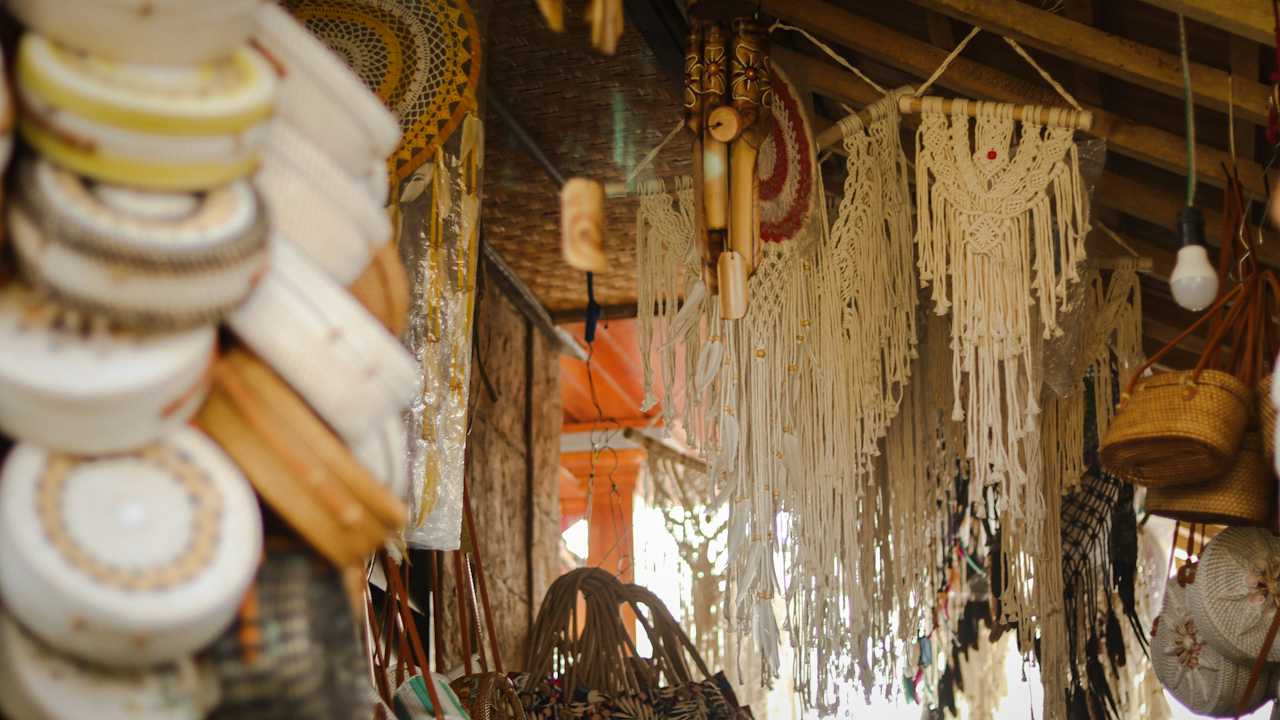
In an era dominated by mass production and digital convenience, a quiet but powerful movement has been gaining momentum around the world. People from all walks of life are turning back to handcrafted traditions, seeking connection, quality, and meaning in objects made by human hands. This revival is not merely a nostalgic fad but a response to deeper societal shifts. It reflects a growing desire for authenticity in a world that often feels impersonal and disposable. From pottery studios in urban lofts to weaving cooperatives in rural villages, artisans and enthusiasts alike are breathing new life into skills that were once on the brink of extinction.
The roots of this resurgence trace back to the Industrial Revolution, which transformed societies by prioritizing efficiency and scale over individuality. Before factories reshaped economies, most goods were produced locally by skilled craftspeople. A blacksmith forged tools tailored to specific needs, a weaver created textiles with unique patterns passed down through generations, and a potter shaped clay into vessels that served both practical and ceremonial purposes. These crafts were integral to cultural identity, embedding stories, techniques, and values into everyday items.
Industrialization brought affordable goods to the masses, but at a cost. Traditional crafts suffered as machine-made alternatives undercut prices and reduced demand for handmade items. Apprenticeships declined, and many techniques faded as younger generations pursued factory jobs or urban professions. By the mid-20th century, in many parts of the world, handcrafting seemed destined for museums rather than active practice. Yet, even during this period of decline, pockets of preservation endured. Indigenous communities maintained their weaving and carving practices as acts of cultural resistance, while some European guilds survived through niche markets.
The current revival began to accelerate in the late 20th and early 21st centuries, fueled by several converging factors. One major driver is the environmental movement. Consumers increasingly recognize the ecological toll of fast fashion, plastic-heavy manufacturing, and global supply chains. Handcrafted items, often made from local, natural materials, offer a more sustainable alternative. A wooden chair crafted from responsibly sourced timber can last generations, unlike mass-produced furniture that ends up in landfills after a few years. This awareness has led to a preference for goods with lower carbon footprints and minimal waste.
Another key element is the quest for authenticity and personal connection. In a digital age where interactions are often mediated by screens, people crave tangible experiences. Buying a hand-thrown ceramic mug from a local potter creates a story that a generic store-bought item cannot match. The maker’s fingerprints, subtle imperfections, and unique design become sources of value rather than defects. This appreciation for imperfection stands in contrast to the flawless uniformity of machine production. Psychologists note that engaging with handmade objects can foster mindfulness and a sense of ownership, contributing to overall well-being.
Social media and online marketplaces have played a pivotal role in amplifying these traditions. Platforms like Etsy, Instagram, and specialized craft forums allow artisans to reach global audiences without relying on traditional retail channels. A weaver in a remote mountain village can sell scarves directly to buyers in distant cities, sharing videos of the loom in action and the stories behind each piece. This democratization of access has empowered makers, particularly women and marginalized groups, who have historically been central to many craft traditions but lacked economic opportunities. Online communities also facilitate knowledge sharing, with tutorials, virtual apprenticeships, and collaborative projects helping to transmit skills across borders.
Cultural preservation efforts have further propelled the revival. Governments and organizations in countries like India, Japan, and Mexico have invested in programs to safeguard intangible cultural heritage. UNESCO designations for crafts such as Japanese lacquerware or Mexican talavera pottery have elevated their status and encouraged younger practitioners. In Africa, initiatives to revive beadwork and basketry among indigenous groups serve both economic and identity-strengthening purposes. These efforts recognize that handcrafted traditions are not relics but living expressions of human ingenuity and adaptability.
Specific crafts illustrate the breadth of this movement. Consider pottery, which has seen a remarkable comeback. In the United States and Europe, community studios and workshops report surging enrollment, with participants ranging from hobbyists to professionals. Modern potters experiment with traditional techniques while incorporating contemporary designs, creating functional art that appeals to both everyday users and collectors. The tactile process of centering clay on a wheel offers therapeutic benefits, drawing people seeking respite from screen fatigue.
Textile arts, including knitting, weaving, and embroidery, have similarly flourished. What began as a pandemic-era hobby for many evolved into sustained practice. Fiber guilds and festivals now attract thousands, celebrating everything from heirloom quilting to experimental natural dyeing. In regions like Scandinavia, traditional wool processing and pattern-making techniques are being taught in schools to prevent their loss. These crafts connect practitioners to history while allowing innovation, such as blending hand-spun yarns with eco-friendly synthetic fibers for durability.
Woodworking and furniture making represent another vibrant area. Artisans revive techniques like dovetail joinery and hand-carving, producing pieces that emphasize durability and beauty. The slow furniture movement encourages consumers to invest in items built to endure rather than items designed for obsolescence. Blacksmithing, once essential for tools and hardware, now thrives in artistic and functional forms. Forged knives, gates, and sculptures showcase the interplay of fire, metal, and skill, attracting enthusiasts who value the physicality and precision involved.
Beyond physical objects, handcrafted traditions extend to food and drink. Artisanal bread baking, cheese making, and fermentation have gained cult followings. Small-batch producers use age-old methods to create flavors unattainable through industrial processes. This culinary revival ties into broader movements for local food systems and biodiversity preservation, as heirloom grains and fermentation cultures are safeguarded through community efforts.
The economic dimensions of this revival are noteworthy. Craft markets contribute significantly to local economies, supporting tourism and small businesses. In developing nations, fair trade organizations link artisans to international buyers, providing income that funds education and community development. However, challenges persist. Scaling production while maintaining quality remains difficult, and many artisans struggle with inconsistent demand or competition from cheaper imports. Training the next generation requires time and resources, as mastery of complex skills like intricate basketry or silk weaving can take years.
Education systems are adapting by integrating craft programs into curricula. Vocational schools and universities offer degrees in applied arts, blending traditional methods with business training. This holistic approach helps aspiring makers navigate the practical realities of sustaining a craft-based livelihood. Mentorship programs pair experienced elders with newcomers, ensuring continuity of knowledge.
Environmental and social benefits abound. Handcrafting promotes resourcefulness, often utilizing recycled or byproducts materials. It fosters community bonds through shared workshops and markets, countering isolation in modern societies. For many participants, especially those from underrepresented backgrounds, crafts provide avenues for empowerment and cultural reclamation. Indigenous artisans, for instance, use revived techniques to assert sovereignty over their heritage while generating revenue.
Critics sometimes dismiss the movement as elitist or impractical, arguing that handmade goods are inaccessible to average consumers due to higher prices. Yet, proponents counter that the long-term value and reduced environmental impact justify the investment. Moreover, many initiatives focus on affordability through cooperatives or educational outreach, making crafts more inclusive.
Looking ahead, the future of handcrafted traditions appears promising but requires deliberate support. Technology will continue to play a dual role: aiding preservation through digital archives and virtual reality training while challenging makers to differentiate their work from automated alternatives like 3D printing. Climate change may necessitate adaptations, such as sourcing alternative materials when traditional ones become scarce.
Policy interventions could bolster the sector through grants, tax incentives for small artisans, and protections against cultural appropriation. International collaborations might facilitate cross-cultural exchanges, enriching traditions without diluting their essence. Ultimately, the revival underscores a fundamental human need for creation and connection.
As societies grapple with rapid technological change and globalization, handcrafted traditions offer a counterbalance. They remind us that progress need not erase the past but can build upon it. Each handwoven basket, forged blade, or glazed bowl carries forward a legacy of human creativity. In embracing these practices, we not only sustain skills but also cultivate a more thoughtful, sustainable, and human-centered world. The revival is an ongoing story, written one careful stitch, hammer strike, or coil of clay at a time.