

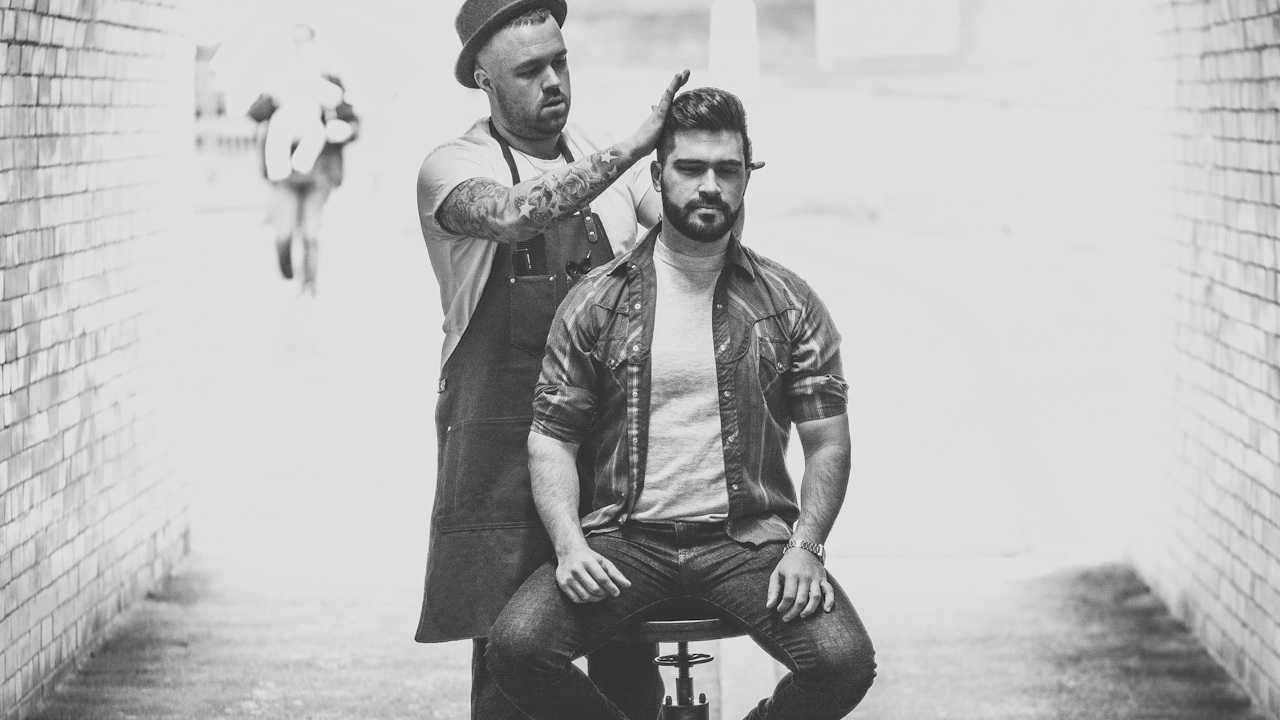
Hairstyles have long served as powerful indicators of cultural shifts, social norms, technological advances, and individual expression. From the rebellious bobs of the 1920s to the voluminous styles of the 1980s and the textured natural looks of today, hair trends reflect broader societal changes. This article explores the evolution of hairstyles across the decades, focusing primarily on Western trends while noting influences from popular culture, Hollywood, music, and everyday life. Each era brought unique silhouettes, textures, and maintenance routines shaped by the tools, products, and attitudes of the time.
The 1920s: The Bob and Flapper Rebellion
The 1920s marked a dramatic departure from the long, pinned-up hair of previous generations. Women embraced shorter styles as symbols of newfound freedom and modernity during the Jazz Age. The iconic bob haircut became the defining look, popularized by actresses like Louise Brooks and Colleen Moore. This sharp, chin-length cut with a straight edge often featured finger waves or Marcel waves for added dimension.
Flappers paired the bob with cloche hats, headbands, and bold makeup, rejecting Victorian ideals of femininity. Variations included the shingle bob, which was tapered closely at the nape, and the Dutch boy style with blunt bangs. Men maintained shorter, slicked-back hair with pomade for a polished appearance. The decade’s hairstyles emphasized liberation, coinciding with women’s suffrage and changing fashion silhouettes like dropped-waist dresses. Hairdressers saw increased demand for permanent waving techniques as women sought ways to style their newly shortened locks.
The 1930s: Soft Waves and Hollywood Glamour
As the Great Depression influenced fashion toward practicality and elegance, hairstyles softened from the sharp bobs of the previous decade. Hair remained relatively short but incorporated glamorous waves and curls. Finger waves, achieved with careful setting and combing, added texture and movement. Actresses like Jean Harlow popularized platinum blonde hues and sleek, side-parted waves that framed the face elegantly.
Shoulder-length styles with soft curls became common, often set with pin curls overnight. Hollywood played a significant role, with stars projecting sophistication on screen amid economic hardship. Men favored clean-cut, side-parted looks with slight volume on top. The era’s hairstyles balanced femininity and resilience, using affordable products like setting lotions to maintain polished appearances without excess.
The 1940s: Victory Rolls and Practical Updos
World War II brought practicality to the forefront. Women entered the workforce in factories and other roles, necessitating hairstyles that stayed out of the way while maintaining glamour. Victory rolls, where hair was rolled upward on the sides and pinned securely, emerged as a signature style. These updos paired well with military-inspired fashion and allowed for safety around machinery.
Rita Hayworth and other pin-up icons exemplified voluminous waves and barrel curls. Longer hair was often pinned into chignons or pageboy styles. Post-war, styles remained elegant but began incorporating more volume. Men’s hairstyles included the military crew cut or slicked styles with pomade. The decade highlighted resilience and patriotism through coiffed yet functional hair.
The 1950s: Bouffants, Poodle Cuts, and Polished Curls
The post-war economic boom ushered in an era of femininity and domesticity. Hairstyles emphasized volume and neatness. The bouffant, achieved with teasing and hairspray, created height and fullness. Marilyn Monroe’s soft, curled blonde locks epitomized Hollywood glamour, while the poodle cut offered a shorter, curly alternative.
Women used rollers, backcombing, and heavy setting sprays for structured looks. The pompadour gained popularity among men, notably Elvis Presley, with high volume swept back. Rockabilly culture influenced greaser styles with slicked sides. Hair color experiments increased with home dyes, but overall aesthetics favored polished, controlled curls over wildness. This decade’s trends reflected prosperity and a return to traditional gender roles.
The 1960s: Beehives, Mod Cuts, and Youth Rebellion
The 1960s brought experimentation and youth culture to the forefront. The beehive hairstyle, popularized by stars like Audrey Hepburn in earlier years but peaking in the decade, involved massive teasing for towering height. The pixie cut, worn by Twiggy, challenged norms with its short, boyish appeal.
Mod fashion inspired geometric cuts and sleek, straight styles. The Beatles influenced longer hair for men, moving away from short conservative cuts toward shaggy, mop-top looks. Women embraced ironed-straight hair or voluminous Afros in the latter part of the decade as civil rights movements celebrated natural textures. Products like teasing combs and early straighteners became staples. The era symbolized breaking from conformity amid social upheaval.
The 1970s: Feathered Layers, Afros, and Disco Glam
Diversity defined the 1970s. Farrah Fawcett’s feathered, layered hairstyle became a cultural phenomenon, achieved with blow-drying and curling irons for soft, face-framing movement. Afros represented Black pride and natural hair movements, with icons like Angela Davis embracing unstraightened textures.
Disco brought glittery, voluminous styles, while perms added curl to straight hair. Mullets began emerging toward the end of the decade. Men sported shaggy looks or long hair in rock and hippie circles. The decade embraced individuality, influenced by feminism, civil rights, and music scenes from punk to funk. Hair care shifted toward more frequent washing and styling tools like diffusers.
The 1980s: Big Hair, Mullets, and Power Looks
Excess characterized the 1980s. Big hair ruled, with massive volume created through perms, teasing, and liberal hairspray use. Mullets combined short sides with long backs, popular among both men and women in certain subcultures. Side ponytails, crimped hair, and bold colors reflected new wave and pop influences.
Power dressing extended to hair, with shoulder-length styles and highlights. Celebrities like Madonna and Prince pushed boundaries with spiked or colorful looks. Men adopted permed or feathered styles. The decade’s trends aligned with economic optimism and MTV-driven celebrity culture, though they often required significant maintenance and chemical processing.
The 1990s: Grunge, Layers, and Minimalism
Reaction against 1980s excess led to grunge-inspired disheveled looks in the 1990s. The Rachel haircut, inspired by Jennifer Aniston’s character on Friends, featured layered, face-framing cuts that became ubiquitous. Straight, sleek hair with center parts or curtain bangs gained popularity.
Natural textures and low-maintenance styles emerged alongside chunky highlights and frosted tips. The “heroin chic” aesthetic favored thin, straight locks. Men embraced buzz cuts or slightly longer, messy styles. The rise of the internet and global media diversified influences, moving away from uniform big hair toward personal expression.
The 2000s: Lowlights, Extensions, and Celebrity Influence
The early 2000s emphasized blended colors like lowlights and chunky highlights. Choppy layers and messy, textured styles dominated, influenced by celebrities like Paris Hilton with her blonde extensions. The side-swept fringe and long, straight hair with volume at the roots were common.
Flat irons enabled pin-straight looks, while boho waves added softness. Men’s styles included spiked hair with gel or frosted tips. The decade saw greater acceptance of hair extensions and chemical straightening, reflecting a celebrity-obsessed culture amplified by tabloids and early social media.
The 2010s: Ombre, Messy Buns, and Natural Movement
Ombre and balayage techniques created seamless color gradients, moving from dark roots to lighter ends. Messy buns, top knots, and beach waves offered effortless appeal. The man bun challenged traditional masculinity norms for men.
Pixie cuts and undercuts gained traction, alongside a resurgence of natural curls and textured hair. Social media platforms like Instagram influenced rapid trend cycles. Sustainability concerns began emerging, with more focus on less damaging processes. The decade celebrated versatility and individuality.
The 2020s: Natural Textures, Curtain Bangs, and Mindful Styling
Current trends emphasize authenticity and low maintenance. Natural textures, including coils, curls, and waves, are celebrated through protective styles and reduced heat use. Curtain bangs frame the face softly, while bob and lob (long bob) variations remain popular. Shag cuts and wolf cuts add edgy layers.
Balayage and face-framing highlights continue, but with cleaner, healthier formulas. Gender-fluid styles blur lines, with men and women adopting similar lengths and textures. Influences from TikTok and sustainability drive trends toward minimalism, air-drying, and inclusive representation. Post-pandemic priorities favor practical yet expressive looks.
Conclusion: The Enduring Language of Hair
Hairstyles through the decades illustrate how personal grooming intersects with history. What began as rebellion in the 1920s evolved through glamour, practicality, excess, and authenticity. Today, trends favor choice and health over rigid conformity, enabled by better products and cultural openness. While tools and influences change, hair remains a canvas for identity, creativity, and connection to the times. Whether reviving vintage waves or embracing modern textures, individuals continue shaping this timeless form of self-expression.