

Cars are more than machines that transport us from one place to another. They stir deep emotions, spark lifelong attachments, and even shape how we see ourselves. Walk through any parking lot or scroll through social media feeds filled with car enthusiasts, and you will notice a pattern: certain models draw crowds while others fade into the background. This is not random. It stems from the psychology of car design, a blend of evolutionary instincts, emotional triggers, and cultural signals that explain why we fall in love with specific vehicles. Designers do not simply sketch curves and angles. They craft experiences that tap into our brains, making a car feel alive, desirable, or perfectly matched to our identity. This article explores the hidden forces at work, from the way a front end mimics a human face to the subtle cues that signal status or adventure.
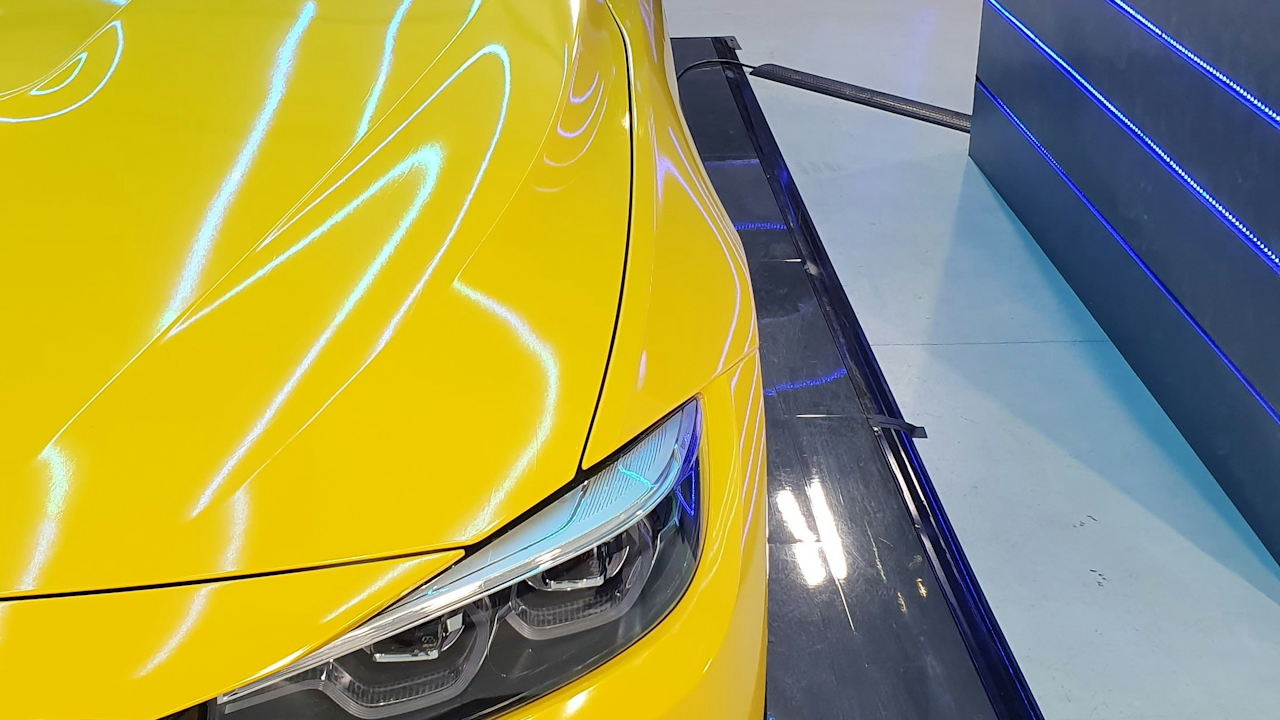
At the core of our affection for certain cars lies anthropomorphism, the human tendency to project personality onto inanimate objects. We cannot help but see faces in the front of vehicles. Headlights become eyes, the grille a mouth or nose, and the hood line an expression of mood. Studies in perceptual psychology show that people consistently rate car fronts on traits such as friendliness, aggression, maturity, or dominance, much as they judge human faces. A wide stance with a low grille and rounded headlights often reads as approachable and youthful, evoking warmth and approachability. Think of the classic Volkswagen Beetle, with its rounded headlight “eyes” and curved bumper “smile.” Owners and passersby alike describe it as cute or cheerful, qualities that trigger protective instincts rooted in our evolutionary past. Babies and young animals share similar neotenous features, large eyes and soft lines, which activate caregiving responses in the brain.
In contrast, designs with narrow, angled headlights and a tall, aggressive grille convey dominance and power. Models like the Lamborghini Countach or modern Dodge Challenger Hellcat appear poised to pounce, their forms mimicking a predator ready to strike. This perception arises because our brains evolved to quickly assess threats and intentions from facial cues. When a car front mimics an angry or determined expression, it signals strength and capability, appealing to drivers who crave excitement or status. The same principle explains why some electric vehicles struggle to connect emotionally. Without a traditional grille, many early EVs present a blank or neutral “face,” which can feel less engaging until designers add subtle character lines or illuminated elements. The psychology here is clear: we love cars that seem to have a soul because they mirror the social creatures we are.
Beyond the face, the overall shape and proportions of a car influence how fast or dynamic it appears, even when stationary. Designers use visual psychology to create an illusion of motion. Sweeping lines that taper toward the rear, like those on a Ferrari SF90 Stradale, mimic wind vectors from a tunnel test. Our brains interpret these as speed cues, making the car look alive and urgent. A forward-leaning stance, where the front sits lower than the rear, further enhances this effect. It echoes the posture of an animal crouching before a leap, triggering excitement in observers. This is why muscle cars and supercars often feature aggressive rakes and sharp creases. They do not just promise performance; they make the heart race through subconscious associations with power and freedom.
Curves versus straight lines play another key role. Soft, flowing contours evoke elegance and sophistication, calming the viewer and suggesting refined control. Sharp edges and angular bodywork, however, communicate raw energy and precision. These preferences tie back to Gestalt principles in psychology, where the brain seeks patterns and completes incomplete forms. A well-designed car feels harmonious, its lines guiding the eye in a satisfying flow that rewards repeated viewing. Owners report feeling proud or energized simply by gazing at their vehicle, a phenomenon linked to the brain’s reward centers lighting up from aesthetic pleasure.
Color choices amplify these effects through well-established principles of color psychology. Red, for instance, raises heart rates and evokes excitement, danger, and speed. It is no coincidence that many performance models wear this hue; it grabs attention and signals passion. Blue conveys trust, calmness, and intelligence, which is why it dominates family sedans and electric vehicles aiming to project reliability in a new technological era. Silver and metallic grays suggest advanced engineering and timeless elegance, appealing to buyers who value subtlety and sophistication. Black projects power and authority, creating a sense of formidable presence that aligns with luxury or executive imagery. White highlights sculptural forms beautifully, emphasizing purity and modernity. These associations are not arbitrary. They stem from cultural conditioning and biological responses to wavelengths of light. A driver who selects a bright yellow sports car may unconsciously seek optimism and visibility, while someone choosing deep green signals a connection to nature or sustainability.
The love affair extends inside the cabin, where design shifts from visual drama to tactile and emotional comfort. Interiors that allow easy storage of personal items within view create a sense of ownership and security. Soft materials, intuitive layouts, and ambient lighting influence mood directly. Warm tones and curved dashboards can reduce anxiety, fostering a feeling of safety during commutes or long trips. In contrast, minimalist, high-tech cockpits in modern performance cars heighten focus and excitement, mimicking a cockpit or command center. Psychological research shows that these elements affect not just buying decisions but ongoing attachment. Drivers form bonds with cars that make them feel competent, relaxed, or adventurous. The sound of a well-tuned engine, the feedback from a precise steering wheel, and even the scent of leather all contribute to sensory memories that reinforce loyalty.
Brand personality adds another layer to why we gravitate toward specific models. Automakers cultivate distinct identities that resonate with buyer self-concepts. Jeep evokes rugged freedom and exploration, attracting those who value adventure and resilience. Ferrari and Lamborghini signal exclusivity and thrill-seeking, appealing to drivers who see themselves as bold or elite. Tesla represents innovation and forward-thinking environmental consciousness, drawing tech-savvy individuals who prioritize progress. These associations function through self-congruity theory: we prefer brands whose traits align with our own or with the ideal self we aspire to become. Cultural influences shape these preferences too. In the United States, large SUVs often symbolize preparedness and family protection, while European markets favor compact, efficient designs that reflect urban practicality and environmental awareness. Over time, positive experiences with a brand build trust and emotional security, turning repeat purchases into a form of loyalty that feels almost familial.
Nostalgia and personal history deepen these connections further. A model that resembles the first car a parent drove, or one featured in a cherished road-trip memory or favorite film, triggers warm recollections. The brain links these vehicles to feelings of freedom, independence, or youthful excitement. For some, a classic Mustang represents the open road and rebellion, while a sturdy pickup truck recalls lessons in hard work and self-reliance. Customization plays into this psychology as well. Modifying a vehicle, whether through wheels, wraps, or performance upgrades, grants a sense of control and uniqueness. It transforms a mass-produced item into a personal statement, satisfying the innate human need for identity and empowerment. Enthusiasts often describe their modified cars as extensions of themselves, forging communities around shared passions.
Status signaling remains a powerful driver, though it operates subtly. Luxury models serve as visible markers of success without always screaming for attention. Stealth-wealth designs in silver or gray allow owners to project quiet confidence. Evolutionary psychology suggests this behavior echoes ancient displays of resources that enhanced mating or social prospects. In modern terms, a prestigious car can boost self-esteem and social perception, even if the buyer rationalizes the choice around safety or features. Yet emotional factors often outweigh pure logic. Research consistently shows that buyers prioritize aesthetics, feelings, and self-expression over specifications like fuel economy when making final decisions.
Looking ahead, the psychology of car design faces new challenges and opportunities. Electric vehicles eliminate traditional engine growls and grilles, forcing designers to invent fresh ways to convey emotion through sound synthesis, lighting, and form. Autonomous cars may shift focus from driver-centric thrill to passenger comfort and shared experiences. Still, the fundamental principles endure. Humans will continue seeking vehicles that reflect their inner worlds, whether through friendly faces, powerful stances, or colors that match their moods. The cars we love are mirrors of our psychology, crafted to evoke joy, confidence, and belonging.
In the end, the appeal of certain models is deeply personal yet universally human. It combines biology, memory, and culture into a single, rolling expression of who we are. Next time you pause to admire a sleek coupe or rugged off-roader, remember that your reaction is not superficial. It is the result of centuries of evolved perception meeting deliberate design. That is why we do not merely drive certain cars. We cherish them.