

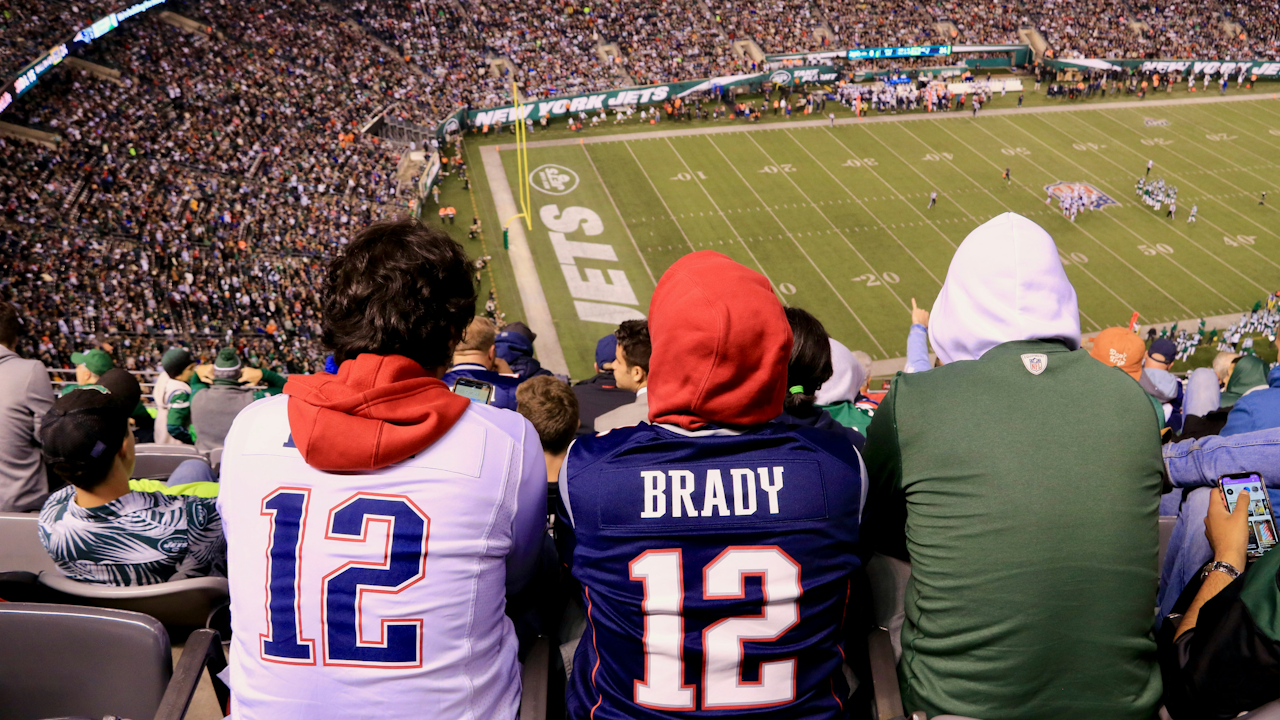
In the not so distant past, being a sports fan meant one simple ritual. You picked a team, often your local one, and you lived and died with every win and loss. Sundays in autumn belonged to the NFL broadcast, or summer evenings to baseball under the lights. Loyalty ran deep, rooted in geography, family tradition, and shared history. That version of fandom still exists. Yet something profound has shifted. Fantasy leagues have stepped into the arena and rewritten the rules. They have transformed millions of fans from passive observers into active architects of their own sporting universes. No longer content to cheer from the stands, these fans draft, trade, and manage rosters as if they were general managers. The result is a reimagined fan experience that blends strategy, data, community, and competition in ways the original game never intended. Fantasy leagues versus reality is not a battle of opposites but a fusion that has made sports more addictive, more accessible, and more personal than ever before.
The story of fantasy leagues begins in humble, analog settings long before the internet turned them into a global industry. In 1963 a small group of friends connected to the Oakland Raiders, including co owner Bill Winkenbach, gathered to create what is widely recognized as the first fantasy football league. They called it the Greater Oakland Professional Pigskin Prognosticators League. Participants drafted real NFL players and competed based on their actual statistics. A few years later in the early 1980s a circle of journalists and writers in New York launched Rotisserie League Baseball. Named after a Manhattan restaurant where they met, this group formalized the concept for baseball and gave it wider visibility. Daniel Okrent, one of the founders, helped spread the idea through his writing. These early experiments relied on newspaper box scores, manual scorekeeping, and weekly phone calls or mailings to tally results. They were niche hobbies for the statistically inclined. Then the digital age arrived. By the mid 1990s online platforms began to automate scoring and league management. Commissioner.com, launched in partnership with CBS SportsLine in the late 1990s, marked a turning point by making season long leagues scalable and user friendly. The explosion of broadband internet, mobile apps, and real time data feeds in the 2000s turned fantasy sports into a mainstream phenomenon. Today the global fantasy sports market exceeds 37 billion dollars and is projected to approach 71 billion by 2030. In the United States alone tens of millions participate each year, with football leading the charge at nearly 80 percent of all fantasy play. What started as a parlor game among friends has become a cultural force that touches every major league and many niche ones besides.
At its core a fantasy league operates on a straightforward yet endlessly customizable premise. Fans join a private or public league, often with friends, coworkers, or strangers from around the world. They participate in a draft where each manager selects a roster of real athletes from across the league. Scoring systems vary but typically reward individual performance in categories such as touchdowns, yards gained, home runs, or assists. Managers set weekly lineups, make trades, pick up free agents, and adjust strategies based on matchups, injuries, and bye weeks. Season long formats build drama over months, culminating in playoffs and a league champion. Daily fantasy contests offer quicker thrills, with new lineups every slate of games and cash prizes for top performers. Platforms like ESPN, Yahoo, Sleeper, and FanDuel have refined the experience with sleek interfaces, live scoring, chat features, and expert analysis. Artificial intelligence now suggests optimal lineups or predicts player outbursts. The appeal lies in the illusion of control. In reality the athletes perform without regard for your roster, yet every snap, swing, or shot feels like it belongs to you. This mechanic turns the chaos of professional sports into a personalized narrative where your decisions matter.
Contrast this with the traditional reality of sports fandom. For generations fans pledged allegiance to a single franchise. They wore the colors, memorized the lore, and endured decades of heartbreak in pursuit of a championship. Loyalty was emotional, tribal, and often irrational. A bad season did not prompt a switch to another team. It deepened the bond. Fans gathered at tailgates, bars, or living rooms to share collective joy or misery. The experience was communal in a local sense. You rooted alongside neighbors and family. The highs came from unexpected upsets or dynasty runs. The lows came from rivalries and blown leads. Traditional fandom demanded patience and endurance. It rewarded long term memory and cultural knowledge. Yet it could also feel limiting. Games without your team on the field became background noise. Players on opposing squads were enemies by default. The emotional investment was intense but narrow, confined to one city or one jersey.
Fantasy leagues shatter that narrow focus and replace it with something broader and more analytical. The fan experience is reimagined as a merit based meritocracy where the best players win regardless of uniform. A manager might root for a quarterback from a hated rival because he anchors the fantasy lineup. Suddenly a Thursday night game between two mediocre teams becomes must watch television if it features key contributors from multiple rosters. This shift expands engagement dramatically. Research shows that fantasy participants watch more games overall, tune in to contests they would otherwise ignore, and consume far more statistics and analysis. They pore over advanced metrics, injury reports, and matchup data with the dedication of professional scouts. The result is a deeper, more nuanced understanding of the sport itself. Fans learn the subtle differences between a running back who excels in pass protection versus one who breaks tackles. They track trends across entire leagues rather than fixating on one squad. This data driven approach democratizes expertise. You do not need to have grown up in a particular city or attended games in person to excel. Knowledge and strategy level the playing field.
The social dimension of fantasy leagues further reimagines the fan experience. Traditional fandom fosters community through shared geography. Fantasy builds it through shared obsession. Leagues become virtual water coolers where trash talk flies in group chats, trades spark heated negotiations, and weekly recaps turn into storytelling sessions. Apps integrate voice memos, memes, and live drafts that feel like parties. Strangers from different continents form bonds over a common pursuit. Families use leagues to stay connected across generations. In an era of fragmented attention this persistent interaction keeps fans locked in year round. The offseason, once a quiet period of rumors and free agency, becomes a time for scouting, mock drafts, and keeper league planning. Fantasy extends the season indefinitely and keeps the conversation alive even when real games pause.
Yet the reimagined experience carries trade offs that reveal the tension between fantasy and reality. On the positive side fantasy participation correlates with higher overall consumption of sports content. Fans become more loyal to the sport itself even if their allegiance to a single team softens slightly. Studies indicate that fantasy players remain more devoted to their favorite real world team than to any fantasy squad, but they invest additional time and money in broadcasts, podcasts, and merchandise. Brands notice this. Fantasy enthusiasts tend to be younger, more digitally active, and more likely to engage across multiple screens. They drive viewership numbers and create new revenue streams for leagues through sponsorships and official fantasy platforms.
On the darker side the intensity of fantasy can distort perceptions and create unintended consequences. Managers may begin to view athletes primarily through the lens of fantasy points rather than team success or character. A star who puts up huge numbers but plays for a losing squad might earn cheers from fantasy owners while real fans of that team feel frustration. This judgment bias can spill into real world discussions. Some critics argue that fantasy encourages a transactional mindset toward players who are, after all, human beings with contracts, families, and physical vulnerabilities. The time commitment is another concern. Serious participants log dozens of hours per week researching, monitoring lineups, and reacting to news. For a small subset this crosses into compulsion, crowding out other hobbies or responsibilities. Daily fantasy formats, with their rapid pace and potential for financial stakes, heighten the risk of addictive patterns even though they remain distinct from outright sports betting in many legal frameworks.
Moreover fantasy can subtly erode the purity of traditional rivalries. When your fantasy wide receiver faces your real life favorite defense, divided loyalties emerge. A touchdown that hurts your team but helps your roster creates cognitive dissonance. Some fans report feeling less emotionally devastated by their team’s losses if their fantasy squad prevails. Others say the opposite: a bad fantasy week ruins the enjoyment of an otherwise satisfying real game. These emotional crosscurrents illustrate how fantasy does not simply supplement reality. It intertwines with it, sometimes harmoniously and sometimes in tension.
Despite these complexities the broader impact on sports culture has been overwhelmingly expansive. Fantasy leagues have attracted new audiences who might never have embraced traditional fandom. Women have entered the space in growing numbers, challenging old stereotypes about who belongs at the table. Casual fans discover a gateway to deeper involvement. Professional leagues have embraced the trend by launching their own official fantasy offerings and integrating them into broadcasts with dedicated segments and player props. The NFL, NBA, MLB, and soccer organizations worldwide now treat fantasy as a core engagement tool rather than a fringe activity. In global contexts such as the English Premier League’s Fantasy Premier League, millions participate and turn obscure matches into events worth watching. The result is a more connected, more informed, and more interactive sports ecosystem.
Looking ahead the fusion of fantasy and reality shows no signs of slowing. Emerging technologies promise even richer reimaginings. Virtual reality could let managers step onto digital sidelines to watch games from their roster’s perspective. Artificial intelligence might generate personalized highlight reels or predictive simulations based on your specific lineup. Blockchain and non fungible tokens could introduce true digital ownership of virtual player cards with real world value. Daily and seasonal hybrids will likely proliferate, offering flexibility for busy lives while preserving the depth of long term strategy. As sports betting expands in regulated markets, fantasy will continue to occupy its distinct lane, emphasizing skill over pure chance. Yet the fundamental appeal will endure. People crave agency in a world of uncontrollable outcomes. Fantasy grants that agency within the safe confines of a game.
Ultimately fantasy leagues versus reality represents a evolution rather than a replacement. The traditional fan who bleeds team colors still exists and still finds meaning in the collective narrative of a franchise. The fantasy manager who treats the draft like a boardroom negotiation has simply added layers of strategy and personalization. Together they create a hybrid experience that feels more vibrant and inclusive. The fan of 2026 is no longer confined to one city or one outcome. That fan manages a roster, debates trades with friends across time zones, and discovers joy in statistical nuances that once seemed arcane. Reality provides the raw material. Fantasy supplies the framework to remix it. In this reimagined landscape the game on the field remains the same, but the way we live it has changed forever. Sports fandom has become less about blind loyalty and more about informed participation. It has grown more democratic, more analytical, and more relentlessly entertaining. Whether that shift elevates the experience or complicates it depends on the individual. What cannot be denied is that fantasy has taken the fan experience out of the stands and placed it squarely in the hands of the people who love the game most. The result is a new chapter in sports history, one written not just by athletes but by the millions who now play alongside them.