

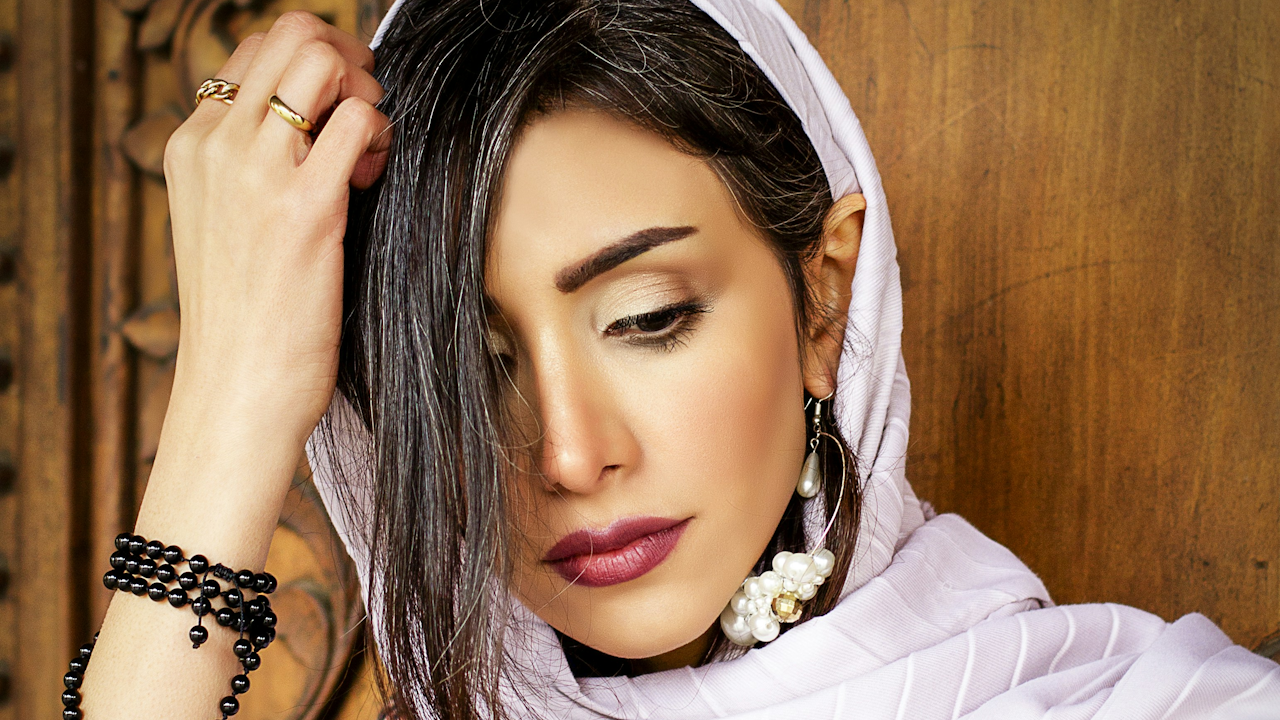
In an industry long defined by narrow ideals of beauty and exposure, a powerful shift is underway. Hijabi fashionistas, women who proudly incorporate the hijab into their style while pushing creative boundaries, are redefining what it means to dress with confidence, faith, and flair. From bustling streets in Dubai to runways in New York and digital feeds reaching millions worldwide, these influencers, models, designers, and entrepreneurs are proving that modesty and high fashion can coexist brilliantly. They are not merely participating in global fashion; they are transforming it, expanding markets, challenging stereotypes, and inspiring a more inclusive future. This movement goes beyond clothing. It represents a cultural and economic force that celebrates choice, empowers women, and bridges divides across continents.
The roots of this transformation trace back to the early 2010s, when modest fashion began gaining mainstream traction. For decades, Muslim women seeking stylish yet faith-aligned attire often faced limited options, relying on local tailors or basic imports. Then came pioneers who refused to choose between their identity and their ambition. In 2015, Mariah Idrissi, a Dubai-based Moroccan-Pakistani creative, made history as the first hijab-wearing model featured in a global H&M campaign. Her appearance signaled a turning point: major retailers recognized the demand for inclusive representation. Idrissi later reflected on her journey, noting how early campaigns helped shift narratives around modest fashion, though she has since questioned aspects like overconsumption, emphasizing that aesthetics should not overshadow Islamic principles of modesty.
Following closely, Halima Aden emerged as a trailblazer. The Somali-American model became the first to wear a hijab on the cover of Vogue Arabia and British Vogue, and she graced the pages of Sports Illustrated in a burkini. Signed to IMG Models, Aden walked runways in Milan and New York, all while maintaining her hijab. Her visibility opened doors for countless others, proving that hijabi women could command attention in an industry that once excluded them. Though Aden stepped away from runway modeling in 2020 to align more closely with her faith and later hinted at embracing the niqab in 2025, her impact endures. She inspired a generation to see modesty as a strength rather than a limitation.
These early breakthroughs paved the way for an explosion of talent. Today, social media platforms like Instagram and TikTok serve as the primary stages where hijabi fashionistas showcase their creativity daily. Accounts with hundreds of thousands to millions of followers turn everyday styling into art forms. Take Habiba M. Khalifa, whose feed boasts over 1.2 million followers. Her elegant, faith-centered looks blend traditional elements with contemporary twists, inspiring women everywhere to experiment within modest parameters. Similarly, Hadeer Mohiey, a U.S.-based hijab model and architect, shares daily outfits, skincare routines, and lifestyle content that resonate with macro-influencer audiences seeking authenticity.
In the Gulf region, where modest fashion has deep cultural roots, influencers like Yara Alnamlah command massive followings exceeding 1.4 million. Based in Riyadh, she pairs effortless styling with her passion for skincare through her own beauty brand, Treat. Her content demonstrates how hijabi fashion can be luxurious and accessible simultaneously. Nearby, Waad Alhammadi masters monochromatic neutrals and coordinated ensembles, while her own clothing line extends her influence into retail. Soha Taha, an Egyptian talent in the UAE, tops best-dressed lists with innovative uses of hats, balaclavas, and headscarves, proving that hijab styling can incorporate global trends without compromise.
The movement extends far beyond the Middle East. In Indonesia, Soraya Ulfa Faisal disrupts expectations with denim, bold sunglasses, and grungy aesthetics fused into modest silhouettes, blending edgy streetwear with hijab-friendly pieces. Her approach challenges the notion that modesty equals conservatism. Across Europe, Hodan Yousuf in Berlin mixes menswear-inspired blazers and ties with structured street style, creating high-fashion looks that feel both powerful and grounded. In the United States, Marwa Biltagi, of Palestinian-Irish descent and known online as @mademoisellememe, incorporates hijab as a bold fashion statement amid chic textures and layered outfits. These women collectively demonstrate that hijabi style transcends geography, adapting to local cultures while maintaining universal appeal.
Designers and entrepreneurs within this space have amplified the impact. Rabia Zargarpur, an Emirati pioneer who launched her namesake label in 2001, has watched modest fashion evolve from niche to global phenomenon. She founded the Modest Fashion Academy in 2017 to mentor emerging talents through workshops and masterclasses, operating under the motto “We rise by lifting others.” Zargarpur views modest fashion as an act of empowerment: “It is about choice and control. It gives women the freedom to express their personal style in a way that feels authentic.” Her consultations for international Modest Fashion Weeks have helped institutionalize the sector.
Melanie Elturk, founder of Haute Hijab, offers another compelling success story. A former civil rights attorney in the United States, she started the brand over a decade ago after struggling to find quality hijabs. Haute Hijab quickly became a leader in performance-driven, luxurious headscarves, collaborating with major names and normalizing the hijab in mainstream contexts. Elturk has emphasized community building and stereotype-breaking: “Now that it is more visible, how can we break down some of the stereotypes that still exist? That is the next step.” Her work, along with brands like Verona Collection founded by Lisa Vogl (the first modest line stocked at Macy’s in 2018), has turned modest fashion into a viable business category with humanitarian dimensions. Vogl later pivoted to a nonprofit arm, Zaila, employing refugee women and supporting families worldwide.
The economic ripple effects are undeniable. The global modest fashion market has surged into hundreds of billions, with estimates placing it around 270 billion dollars in recent years and projections reaching 400 billion or more by the end of the decade. Growth rates hover between five and nine percent annually, outpacing many traditional segments. This boom stems directly from hijabi fashionistas who have cultivated loyal audiences and driven demand. Major retailers have responded: Nike launched a performance hijab, while H&M, Gap, and others expanded modest lines. In Turkey, Indonesia, and the United Arab Emirates, local production hubs supply both domestic and export markets, creating jobs and fostering innovation in fabrics and design.
Culturally, these fashionistas are dismantling long-held assumptions. They show that the hijab can pair with tailored suits, oversized blazers, vibrant abayas, or even athletic wear. Influencers like Dalal AlDoub in Kuwait, with over three million followers, blend makeup tutorials, lifestyle content, and brand collaborations into seamless narratives of modern Muslim womanhood. Others, such as Sana Nimer in Chicago or Basma Kahie in London, offer inspiration through fusion styles that honor heritage while embracing global trends. Their platforms foster communities where women discuss faith, self-expression, and resilience. Modest looks now appear regularly on international catwalks, in editorials, and at events like Cannes or high-profile galas, signaling broader acceptance.
Yet the journey has not been without hurdles. Many hijabi fashionistas navigate tensions between industry expectations and personal convictions. Halima Aden’s decision to step back highlighted how runway demands can sometimes conflict with faith priorities. Mariah Idrissi has voiced concerns about consumerism overshadowing modesty’s deeper meaning. Broader societal stereotypes persist: some face discrimination when wearing hijab in professional or public spaces, while others critique the movement for potential commercialization of faith. Additionally, the push for sustainability raises questions. As the market expands, leaders like Elturk and Zargarpur advocate for ethical production, recycled materials, and reduced waste to ensure growth aligns with values.
Innovation remains a hallmark of the movement. Designers experiment with breathable, quick-dry fabrics for sports hijabs, magnetic closures for easy turbans, and tech-infused textiles that adapt to climates. Influencers like Haneen Al Saify have launched product lines solving practical problems, such as easy-to-style headscarves. Sustainability-focused creators emphasize local sourcing and circular fashion, appealing to younger audiences concerned with environmental impact. The result is a dynamic sector where tradition meets modernity: think ombré abayas from Hajra Tariq or structured looks from Aydha Mehnaz that incorporate South Asian accessories into Parisian tailoring.
Regionally, the influence varies yet interconnects. In the Gulf Cooperation Council countries, hijabi fashion often merges opulence with heritage, featuring luxe silhouettes and high-end accessories. Southeast Asia emphasizes vibrant, climate-appropriate styles with local batik or embroidery influences. In Western markets, the focus leans toward streetwear hybrids and professional attire that facilitates integration. African and diaspora creators bring bold patterns and cultural pride, while European talents stress minimalism and fusion. This diversity enriches the global tapestry, proving modest fashion’s adaptability.
Looking ahead, hijabi fashionistas are poised to shape the industry even more profoundly. As social media algorithms favor authentic voices, emerging talents from underrepresented regions will gain visibility. Collaborations between modest brands and mainstream houses will likely multiply, fostering hybrid collections. Interfaith appeal grows too: many modest pieces attract non-Muslim women seeking comfortable, elegant options, broadening the conversation around choice in dressing. Educational initiatives, like academies and online resources, will nurture the next generation of designers and stylists.
Ultimately, the rise of hijabi fashionistas illustrates fashion’s capacity for positive change. These women have not only carved spaces for themselves but expanded them for everyone. They remind us that true style stems from authenticity, confidence, and respect for one’s values. In a world often divided, their creativity unites, proving that modesty can be revolutionary. As the global fashion landscape continues evolving, one thing is clear: hijabi fashionistas are not following the game. They are rewriting its rules, one elegant, empowering look at a time.