

Intermittent fasting has exploded in popularity over the past decade. From celebrities posting their before-and-after photos to fitness influencers swearing by it as the ultimate hack for fat loss and mental clarity, it seems like everyone is talking about skipping meals on purpose. As a professional chef who spends most of my waking hours thinking about food, flavor, and the perfect plate, the idea of voluntarily not eating struck me as both absurd and intriguing. I love food too much to imagine restricting it. Yet here I am, after several months of experimenting with intermittent fasting, ready to share what the deal really is, from the science to the kitchen counter realities.
Let me start by explaining what intermittent fasting actually means. Unlike traditional diets that dictate what you eat, intermittent fasting focuses on when you eat. It cycles between periods of eating and periods of fasting. There are several popular methods. The 16/8 protocol involves fasting for 16 hours and eating within an 8-hour window, such as from noon to 8 p.m. The 5:2 approach means eating normally five days a week and restricting calories to about 500 to 600 on the other two non-consecutive days. Then there is Eat-Stop-Eat, which calls for a full 24-hour fast once or twice a week. Some people even try alternate-day fasting, where every other day involves severe calorie restriction or none at all.
The concept is not entirely new. Humans have fasted throughout history for religious, cultural, or survival reasons. Think of Ramadan, Lent, or even our hunter-gatherer ancestors who might go days without a reliable meal. Modern intermittent fasting gained traction in the early 2010s with books like “The Fast Diet” by Dr. Michael Mosley and “The Obesity Code” by Dr. Jason Fung. These works popularized the idea that timing meals could influence metabolism, insulin levels, and overall health in ways that constant grazing might not.
From a scientific perspective, intermittent fasting appears to trigger several beneficial processes in the body. When you fast for extended periods, insulin levels drop, which encourages the body to burn stored fat for energy instead of relying on incoming glucose from food. This metabolic switch is often called entering ketosis in longer fasts, though shorter intermittent protocols may not reach deep ketosis. Studies suggest improvements in insulin sensitivity, which could help manage or prevent type 2 diabetes. There is also evidence of cellular repair through autophagy, a process where the body cleans out damaged cells and regenerates new ones. Some research points to reduced inflammation, better heart health markers like lower blood pressure and cholesterol, and even potential brain benefits such as increased production of brain-derived neurotrophic factor, or BDNF, which supports neuron growth.
A 2019 review in the New England Journal of Medicine highlighted that intermittent fasting might extend lifespan and improve healthspan in animals, with promising but still emerging human data. Clinical trials have shown modest weight loss, typically 3 to 8 percent of body weight over several months, comparable to continuous calorie restriction but often easier for people to stick with because there are fewer rules about food choices during eating windows. However, not all studies agree. Some find no superior advantage over other diets when calories are matched, suggesting the real benefit might simply come from eating fewer calories overall by compressing the eating period.
As a chef, my biggest concern was whether intermittent fasting would ruin my relationship with food or affect my ability to create and taste dishes professionally. Chefs taste constantly. We adjust seasoning, balance flavors, and develop recipes by eating throughout the day. Skipping breakfast or pushing my first meal to midday sounded like it could dull my palate or make me irritable in the kitchen. I decided to try the 16/8 method because it seemed the most sustainable for my lifestyle. I would finish dinner by 8 p.m. and not eat again until noon the next day. Black coffee, tea, and water were allowed during the fast, as they do not significantly spike insulin.
Week one was rough. Mornings in the kitchen are chaotic. The smell of fresh bread baking, bacon sizzling, or coffee brewing hit differently when my stomach was empty. I felt hungry, a little lightheaded, and unusually cranky by 10 a.m. My energy dipped mid-morning, and I caught myself staring at plates of food with more longing than professional detachment. But I pushed through, reminding myself that hunger pangs often pass after 20 to 30 minutes if you distract yourself with work. By the end of the first week, something shifted. The hunger became less intense, almost like background noise I could manage.
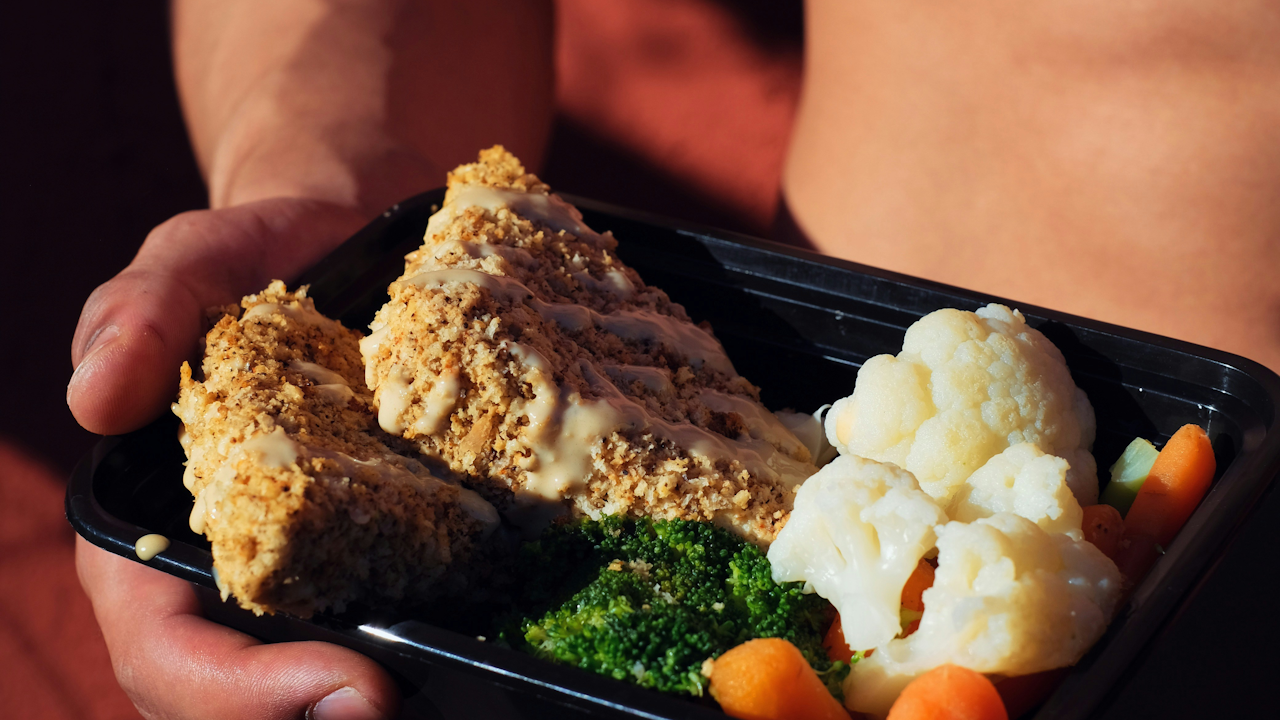
By week three, I noticed changes. My clothes fit a bit looser around the waist without me deliberately cutting calories during my eating window. I was not starving myself. In fact, during the 8-hour window I ate heartily: a substantial lunch of grilled salmon with roasted vegetables and quinoa, followed by dinner featuring a rich pasta dish or a hearty stew. As a chef, I focused on nutrient-dense, flavorful meals to make the eating period satisfying. High-protein foods like eggs, fish, chicken, and legumes helped keep me full longer. Healthy fats from olive oil, avocados, and nuts added satiety. I made sure to include plenty of vegetables for fiber and micronutrients.
One unexpected benefit was mental clarity. Around hour 14 or 15 of the fast, I often felt sharper. Tasks like developing new recipes or managing a busy service felt more focused. Some mornings I powered through complex knife work or sauce reductions without the usual post-breakfast fog. This aligns with reports from others who describe fasting as enhancing concentration, possibly due to stable blood sugar or increased ketone production, even in modest amounts.
But it was not all smooth. As a chef, social and professional obligations revolve around food. Tastings, menu development sessions, and staff meals became tricky. I had to plan ahead. If a tasting happened at 10 a.m., I sometimes broke my fast early with a small bite, then adjusted the rest of the day. Weekends were challenging too. Brunch culture does not mix well with a noon eating window. I learned to host brunches where I prepared beautiful spreads for guests but sipped coffee and waited until noon for my own plate. It felt awkward at first, but friends got used to it.
Digestive health improved noticeably. Fewer meals meant my gut had more time to rest. Bloating decreased, and I felt lighter overall. Sleep quality seemed better too, perhaps because I was not eating heavy foods close to bedtime. On the flip side, I had to be careful with hydration. During fasting periods, I drank more water and herbal teas to avoid mistaking thirst for hunger.
From a culinary perspective, intermittent fasting forced me to rethink meal composition. Instead of spreading calories across the day, I concentrated them into fewer, more intentional plates. This encouraged creativity. Lunches became celebrations of balanced macros and bold flavors. A typical eating window might start with a large salad loaded with mixed greens, grilled chicken, feta, olives, and a vibrant vinaigrette, followed by a main course like seared steak with asparagus and garlic mashed potatoes. Desserts were not off-limits but reserved for special occasions within the window to avoid blood sugar spikes late in the evening.
I also experimented with recipe adjustments to maximize satiety. Increasing fiber through whole grains, beans, and vegetables helped sustain energy. Adding spices and herbs not only boosted flavor but some, like cinnamon or turmeric, may have mild metabolic benefits according to limited studies. Bone broth became a occasional tool during extended fasts, though purists argue even that breaks a true fast. As a chef, I appreciated its savory depth and collagen content.
After three months, the results were measurable but not miraculous. I lost about 12 pounds, mostly fat around the midsection, without feeling deprived in the traditional sense. My blood work showed improved fasting glucose and lower triglycerides. Energy levels stabilized, and I no longer experienced the afternoon crashes I sometimes had when eating frequent carb-heavy snacks. However, I did not become superhuman. Some days were harder, especially during high-stress service or when traveling. Muscle maintenance required consistent strength training and adequate protein intake during eating periods. Without that, fasting alone might lead to muscle loss if calories dip too low.
Not everyone should try intermittent fasting. Pregnant or breastfeeding women, those with eating disorders, underweight individuals, or people on certain medications like insulin for diabetes should consult a doctor first. For athletes in intense training phases, constant fueling might be more appropriate. Women, in particular, may need to monitor cycle changes, as some report hormonal disruptions with aggressive fasting protocols.
As a chef, the biggest lesson was mindfulness around food. Intermittent fasting removed mindless snacking and forced me to appreciate meals more deeply. Each bite during the eating window carried more weight. Flavors popped more vividly after a fast. A simple tomato salad tasted brighter. A perfectly cooked steak felt more rewarding. This heightened sensory experience reminded me why I fell in love with cooking in the first place.
Intermittent fasting is not a magic bullet. It works best as part of a broader healthy lifestyle that includes good sleep, stress management, regular movement, and nutrient-rich foods. For some, it simplifies life by reducing decision fatigue around constant eating. For others, it might feel restrictive or unsustainable long-term. The key is personalization. I continue with a modified 14/10 or 16/8 depending on my schedule, allowing flexibility for special events or demanding days.
In the end, what is the deal with intermittent fasting? It is a tool, not a religion. It leverages the body’s natural rhythms to potentially improve metabolic health, aid weight management, and foster a more intentional relationship with food. For a chef who once believed constant tasting was essential to creativity, it proved that sometimes stepping back from eating creates space for better appreciation when you do indulge. If you are curious, start slow, listen to your body, and perhaps consult a professional. And if you are in the kitchen like me, use the extra focus to craft even more delicious meals for when the window opens. Food, after all, is still the star, just on a slightly different schedule.