

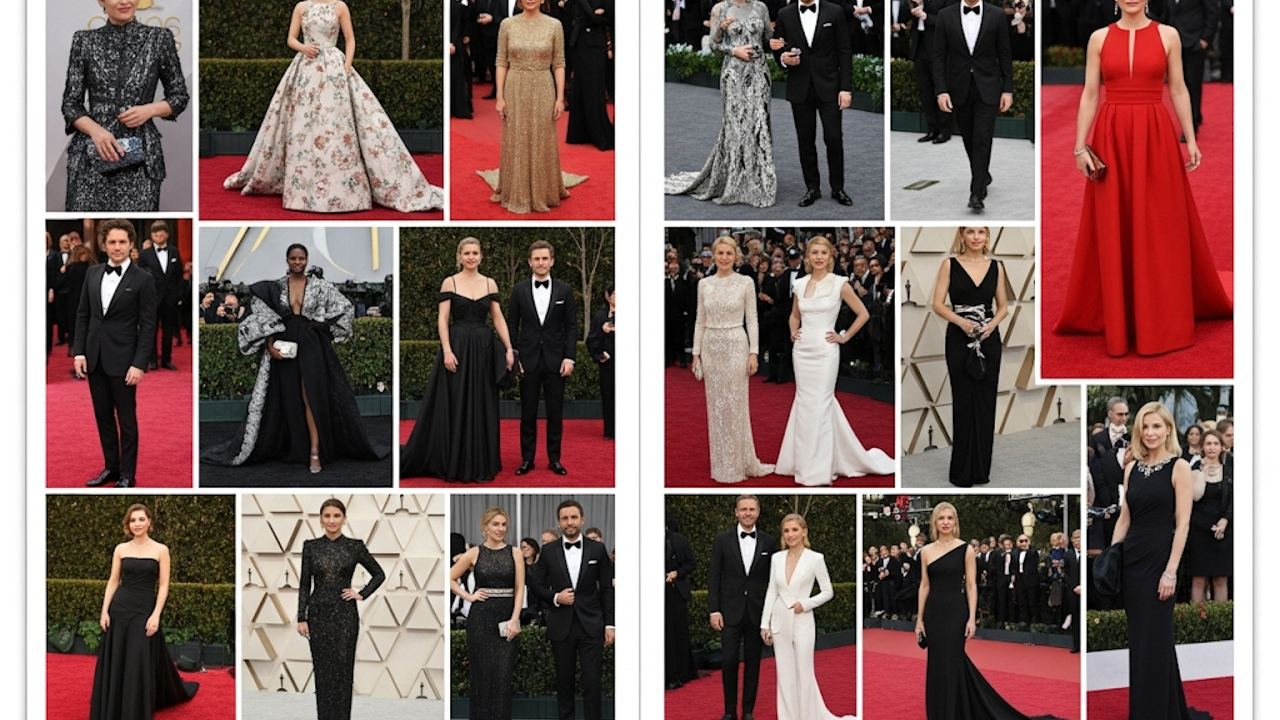
The red carpet has always served as a glittering showcase for glamour and ambition in Hollywood and beyond. Yet over the past decade, spanning roughly 2015 through 2025, it transformed into a powerful cultural mirror. Global events, from the pandemic that paused in person gatherings to the rise of social media amplification and movements toward greater inclusivity, reshaped what stars wore and why. Designers responded with bolder experimentation, sustainable choices, gender fluid tailoring, and archival revivals that honored history while pushing forward. Viral moments spread instantly, turning a single gown or suit into a conversation starter that influenced fashion weeks, street style, and even politics of representation. Celebrities used these platforms not just for beauty but for statements on identity, heritage, and creativity. This era delivered looks that blended old Hollywood elegance with avant garde risk, often sparking debates on body positivity, cultural appropriation, or sheer spectacle. What follows is a celebration of the most iconic among them. Each one captured the spirit of its moment and left an indelible mark on the decade’s style narrative.
One of the earliest standouts came in 2015 at the Met Gala, where Rihanna arrived in a breathtaking yellow gown by Chinese designer Guo Pei. The massive cape like creation, weighing over 50 pounds and covered in intricate embroidery and golden accents, earned the nickname the omelette dress for its sunny hue and voluminous shape. It took more than two years to craft and required a team to manage its train on the steps of the museum. Rihanna stood motionless at the top, embodying regal drama against the Garden of Time theme. The look instantly became a meme and a benchmark for theatrical red carpet fashion. It highlighted the growing global influence of non Western designers and proved that scale and craftsmanship could dominate headlines. For years afterward, it symbolized the fusion of high art and celebrity spectacle, inspiring countless homages and cementing Rihanna’s status as a fashion provocateur.
Fast forward to the 2019 Oscars, where Billy Porter made history in a custom velvet tuxedo gown by Christian Siriano. The actor and activist arrived in a sleek black ensemble that merged traditional menswear tailoring with a floor length skirt, complete with a dramatic train and bold shoulders. It challenged binary dress codes at a time when conversations around gender expression were intensifying in entertainment. Porter, fresh off his role in Pose, paired the piece with elegant jewelry and a confident stride that commanded the carpet. Media outlets hailed it as revolutionary, noting how it opened doors for future non binary and queer expressions on red carpets. The gown not only won best dressed lists but also fueled broader industry shifts toward inclusive sizing and fluid silhouettes. Its impact lingered, influencing award show attire for years and proving that personal authenticity could redefine glamour.
As the new decade began, Ariana Grande delivered a fairy tale moment at the 2020 Grammys in a custom Giambattista Valli gown. The voluminous pink tulle creation featured a corseted bodice and an enormous skirt that evoked princess like whimsy. Grande, promoting her album Thank U, Next, accessorized with matching gloves and a sleek ponytail. The look arrived amid her transition from pop star to mature artist, and its romantic excess stood out against more minimalist trends of the era. Critics praised the way it balanced vulnerability with strength, especially as the world faced early pandemic uncertainties. This gown became a reference point for dreamy couture, later echoed in bridal and evening wear collections. It reminded everyone that red carpet fashion could offer escapism and joy even in turbulent times.
That same year, Zendaya appeared at the Critics Choice Awards in a striking Tom Ford design. The emerald green velvet gown hugged her figure with a deep neckline and subtle shimmer that caught every flash. Zendaya had already established herself as a style chameleon through roles in Euphoria and Spider Man films, but this look elevated her to fashion icon status. Styled with minimal jewelry and her signature short hair, it projected modern sophistication. The gown’s clean lines and rich color palette influenced a wave of velvet revivals in ready to wear. Zendaya’s consistent red carpet presence throughout the decade, always curated by longtime stylist Law Roach, set a standard for thoughtful, character inspired dressing that felt both current and timeless.
In 2021 at the Cannes Film Festival, Bella Hadid took a daring turn in Schiaparelli. The sheer, flesh toned gown featured intricate gold embellishments that created an illusion of nudity while maintaining couture precision. Hadid walked the steps with poise, her hair slicked back and makeup minimal. The ensemble sparked immediate discussions about body confidence and the boundaries of revealing fashion. Some praised its artistic nod to surrealism, a hallmark of the house, while others debated its suitability. Regardless, it generated millions of social media impressions and highlighted how red carpets could serve as stages for provocation. Hadid’s choice aligned with a broader 2020s trend of embracing transparency and self assured sensuality, influencing designers to experiment more freely with illusion techniques.
Two years later, the 2022 Met Gala saw Kim Kardashian arrive in the actual gown Marilyn Monroe wore for her Happy Birthday performance for President John F. Kennedy. The Jean Louis piece, a slinky, crystal covered column dress, required Kardashian to lose weight and undergo careful preservation measures to fit into the fragile artifact. She paired it with a fur stole for the entrance before revealing the gown itself. The moment ignited fierce debates about celebrity, conservation, and the commodification of history. Supporters viewed it as a bold archival tribute, while detractors raised concerns over potential damage to a cultural relic. Kardashian’s look underscored the decade’s fascination with vintage and legacy pieces, blending nostalgia with contemporary spectacle. It also amplified conversations around body image and the pressures of fitting into iconic garments.
The Met Gala continued to deliver drama in subsequent years. By 2025, the theme Superfine: Tailoring Black Style inspired a wave of tailored excellence. Colman Domingo stood out in a deep blue Valentino cape over a checked blazer and polka dot ascot. As co chair, he removed the cape on the carpet to reveal the full ensemble, paying subtle homage to Andre Leon Talley while celebrating Black dandyism. The pleated fabric and sequined details created movement and texture that photographers captured endlessly. Domingo’s look represented a shift toward menswear that felt sculptural and narrative driven. It encouraged more actors to treat suiting as performance art rather than formality.
That same night, Diana Ross made a rare return to the Met Gala after more than two decades. The legendary singer wore a custom crystal covered gown by Ugo Mozie embroidered with the names of her children and grandchildren. The design featured an 18 foot train that cascaded dramatically down the stairs, turning her appearance into a family legacy celebration. Ross, at 81, commanded attention with her poise and star power. The personal embroidery added emotional depth, making the gown more than fashion. It became one of the most photographed moments of 2025, inspiring tributes from younger artists and reinforcing the idea that red carpets could honor personal history alongside couture.
Zendaya capped the decade’s early months with a standout at the 2025 Golden Globes. She wore a burnt orange Louis Vuitton gown inspired by 1940s singer Joyce Bryant, featuring a structured silhouette, dramatic train, and retro curls. Styled by Law Roach, the look included a diamond engagement ring that fueled engagement rumors. The old Hollywood vibe felt fresh in its color choice and tailoring, blending nostalgia with modern minimalism. Zendaya’s ability to reference history while remaining utterly contemporary solidified her as the decade’s most consistent red carpet force. The gown influenced evening wear trends, with burnt tones appearing across collections later that year.
Chappell Roan brought archival magic to the 2025 Grammys in a Jean Paul Gaultier Spring Summer 2003 gown. The layered tulle skirt featured a detailed rendering of Edgar Degas’s Dancer With a Bouquet painting in gold and blue tones. Roan, known for her theatrical pop persona, paired the piece with bold styling that amplified its artistic references. The choice celebrated queer joy and fashion history, resonating with fans who saw it as a love letter to performance and self expression. It sparked renewed interest in vintage couture, driving searches for similar archival pieces and highlighting how emerging stars could redefine red carpet traditions.
Emma Stone delivered whimsy at the 2025 SNL 50 anniversary special in a Louis Vuitton gown with functional pockets filled with popcorn. The red dress included a box of the snack as an accessory, turning the carpet into interactive theater. Stone, promoting her work and embracing camp, munched on the popcorn for cameras. The playful detail captured the decade’s love for unexpected humor on formal stages. It contrasted sharply with more serious tailoring trends and reminded audiences that fashion could entertain as well as impress. The look went viral for its accessibility and fun, proving that red carpets need not always be solemn.
Margot Robbie closed out a memorable 2025 with a sheer, beaded Armani Prive gown at a London film premiere. The transparent design revealed a bedazzled thong at the back, creating a naked dress effect that balanced elegance with boldness. Robbie turned to showcase the detail, generating buzz about confidence and body positivity. The gown’s craftsmanship, with thousands of hand placed beads, elevated it beyond mere provocation. It echoed earlier illusion trends while adding her signature wit, influencing a surge in sheer evening wear. Robbie’s consistent risk taking throughout the decade made her a reliable source of memorable moments.
Timothee Chalamet added another layer to the conversation at the 2025 Oscars in a custom butter yellow Givenchy suit by Sarah Burton. The bright color and tailored fit drew comparisons to everything from pop culture icons to everyday objects, yet it felt fresh and unapologetic. Chalamet, often a red carpet experimenter, embraced the hue to stand out among traditional black tuxedos. The suit generated endless online discourse, from praise for its vibrancy to lighthearted memes. It exemplified the decade’s move toward joyful menswear and color as a form of rebellion against convention.
Ayo Edebiri offered a clever tribute at the 2025 Golden Globes in a gray Loewe pantsuit that recreated Julia Roberts’s iconic 1990 look. The loose fitting ensemble featured a gold feather tie and relaxed proportions that felt both reverent and modern. Edebiri, rising through roles in The Bear, used the moment to nod to fashion history while asserting her own voice. The choice bridged generations and highlighted how red carpets could serve as dialogue between past and present. It encouraged more stars to draw from archival references with fresh twists.
These looks represent only a fraction of the decade’s creativity, yet each one captured something essential about its time. From pandemic era restraint to post recovery extravagance, red carpet fashion mirrored societal evolution. Stars leveraged their platforms for visibility on issues ranging from representation to environmental awareness, often choosing sustainable or upcycled materials. Designers rose to the challenge, producing pieces that were as technically impressive as they were visually striking. Social media ensured that no detail went unnoticed, turning fleeting appearances into lasting cultural artifacts.
As the decade concludes, the red carpet stands more influential than ever. It has become a democratized runway where global voices, emerging talents, and established legends converge. Future events will likely build on this foundation, blending technology, personalization, and bolder inclusivity. The iconic moments chronicled here will continue to inspire, reminding us that a single well chosen garment can spark imagination, challenge norms, and connect us through shared appreciation for beauty and boldness. In an uncertain world, these looks offered glimpses of possibility, proving that style remains one of the most potent forms of storytelling.