

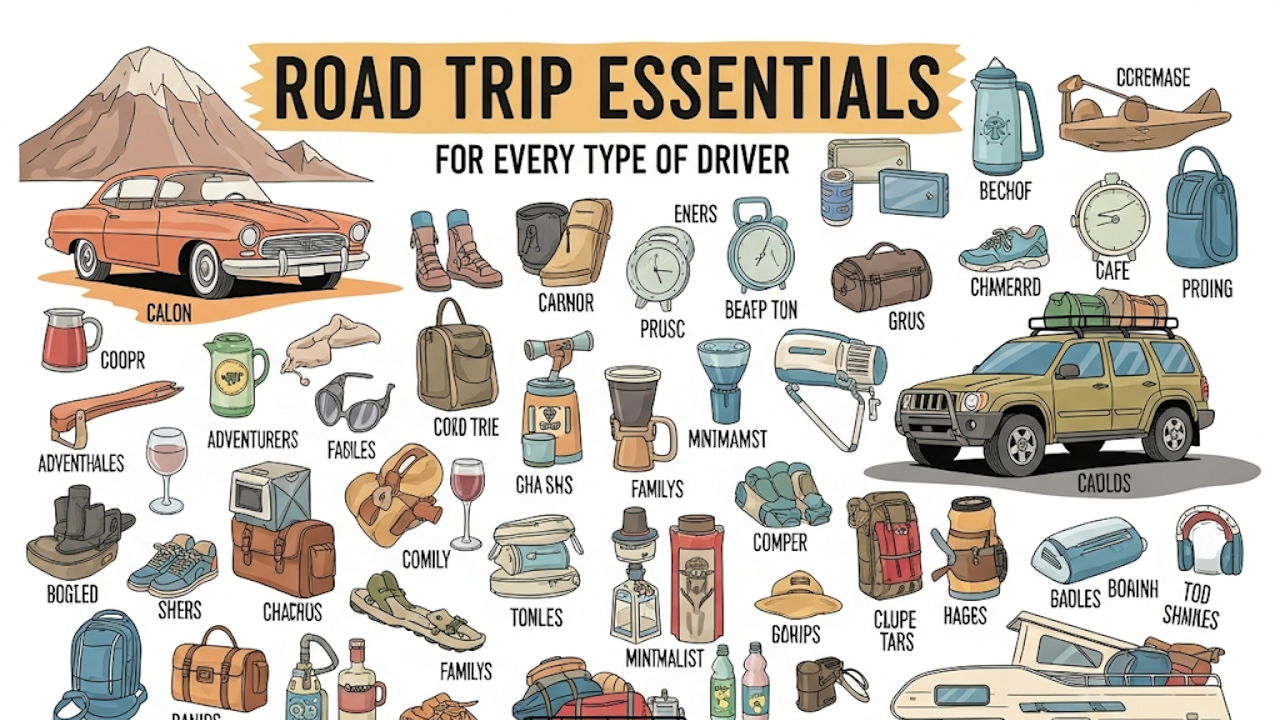
Road trips remain one of the most liberating ways to explore the open road. Whether crossing state lines for a weekend or embarking on a cross-country journey, proper preparation turns a simple drive into an unforgettable adventure. The key lies in tailoring your packing list and planning to your specific driving style and companions. What works for a lone traveler seeking solitude differs greatly from the needs of a family with young children or a group of friends chasing thrills. Every driver shares certain core requirements for safety and reliability, yet the details shift dramatically based on who sits in the passenger seats or what motivates the miles ahead.
This guide breaks down the essentials by driver type. It begins with universal items that belong in every vehicle, then dives into customized recommendations. Focus on building a smart, lightweight load that fits your car without cluttering it. Always check your vehicle’s manual, perform a pre-trip inspection, and consider roadside assistance membership before departure. With these lists in hand, you can hit the highway confident that you have covered the basics and the extras that match your journey.
The Basics: Essentials for Every Driver
No matter your style, certain items form the foundation of any safe and smooth road trip. These prevent breakdowns, handle emergencies, and keep you comfortable through long hours behind the wheel.
Start with vehicle readiness. A full tank of fuel or charged battery is obvious, but also pack a spare tire, jack, and lug wrench. Include a tire pressure gauge and portable air compressor. Carry jumper cables or a battery jump starter pack. A basic tool kit with screwdrivers, pliers, duct tape, and zip ties handles minor fixes. Update your car’s fluids and brakes before leaving, and keep a copy of your insurance and registration in a waterproof folder.
Safety comes next. A well-stocked first-aid kit includes bandages, antiseptic wipes, pain relievers, tweezers, scissors, gloves, and any personal prescription medications. Add a flashlight with extra batteries, a multi-tool knife, and emergency flares or reflective triangles. A windshield sunshade and ice scraper prove useful in varying weather. For navigation, rely on a phone mount, car charger, and backup power bank. Download offline maps in case cell service drops. A paper road atlas serves as a reliable backup.
Comfort items keep fatigue at bay. Pack reusable water bottles, non-perishable snacks, and a cooler for fresh food. A neck pillow, blanket, and sunglasses make hours on the road more bearable. Include trash bags, wet wipes, and hand sanitizer for cleanliness. A portable phone charger and Bluetooth adapter maintain entertainment and connectivity.
Weather and environment demand attention too. Carry an umbrella, rain poncho, and extra layers of clothing. Sunscreen, lip balm, and insect repellent protect against the elements. For longer trips, add a small fire extinguisher and a roadside emergency beacon.
These core supplies fit neatly into a dedicated trunk organizer or storage bin. Review them against your route’s expected conditions, such as mountain passes or desert stretches, and adjust quantities accordingly.
The Solo Explorer: Self-Reliant and Ready for Anything
Solo drivers value independence and flexibility. Without companions to share the load or offer help, your kit emphasizes self-sufficiency, personal security, and mental stimulation.
Beyond the basics, prioritize personal safety. A personal locator beacon or satellite messenger device works where phones fail. A discreet self-defense tool, such as pepper spray kept within easy reach, adds peace of mind. Keep a door lock jammer or steering wheel lock for overnight stops. A headlamp with red light mode allows hands-free tasks at night without disturbing others.
Entertainment prevents boredom on empty stretches. Load your phone with audiobooks, podcasts, and offline playlists. A portable speaker or noise-canceling headphones enhance the experience. Bring a journal and pen to capture thoughts or sketch roadside scenes. A small camera or action camera documents spontaneous stops without relying on a phone.
Comfort and convenience matter when you handle every task alone. Pack a compact camping stove, fuel, and lightweight cookware for quick meals at rest areas. Include a portable shower bag or wet wipes for freshening up. A reusable coffee mug and instant coffee packets maintain energy without frequent stops. For sleep, consider a car window shade set and a comfortable inflatable pillow designed for vehicles.
Navigation and planning tools deserve extra focus. A GPS tracker app with location sharing to a trusted contact keeps others informed of your progress. Print key route highlights and emergency contacts. A fuel efficiency app helps track costs on long hauls.
Finally, pack versatile clothing layers and quick-dry towels. A multi-day backpack with a hydration bladder supports side hikes. These additions ensure the solo driver stays safe, engaged, and energized mile after mile.
The Family Pack: Keeping Kids and Adults Happy on Long Hauls
Families need organization, entertainment, and flexibility to manage multiple personalities and ages in a confined space. Essentials focus on keeping everyone fed, occupied, and secure.
Child-specific safety items top the list. Approved car seats or boosters must meet current standards and fit properly. Window sunshades block glare for little ones. A rearview mirror extender lets the driver monitor back seats easily. Pack motion sickness remedies, children’s medications, and a thermometer.
Snacks and meals prevent meltdowns. A large cooler stocked with fruit, sandwiches, yogurt pouches, and juice boxes keeps hunger at bay. Reusable snack containers and spill-proof cups reduce mess. Include a picnic blanket and portable high chair for roadside meals. Non-perishable options like granola bars and cheese sticks serve as backups.
Entertainment systems combat boredom. Tablets loaded with downloaded movies, games, and educational apps work wonders. Headphone splitters allow multiple children to listen without disturbing the driver. Travel games such as magnetic checkers, license plate bingo, and story cubes encourage interaction. A surprise bag of small toys or coloring books reveals new items every few hours.
Comfort extends to all ages. Extra blankets, pillows, and favorite stuffed animals create a cozy atmosphere. A portable potty or travel seat for toddlers simplifies rest stops. Diaper bags or changing pads stay stocked with wipes, diapers, and rash cream. For older kids, include reusable water bottles and activity books.
Organization keeps chaos in check. Use hanging seat organizers, cargo nets, and labeled bins for each child’s items. A family first-aid kit expands on the basic version with allergy treatments and electrolyte packets. A portable DVD player or car entertainment system provides screen-free alternatives when needed.
Plan frequent stops with playgrounds or parks in mind. These family-focused extras turn potential stress into shared memories.
The Couple’s Escape: Romance and Relaxation on the Road
Couples seek intimacy and shared discovery. Their essentials enhance connection, comfort, and spontaneity without sacrificing practicality.
Mood and privacy items set the tone. A portable Bluetooth speaker plays curated playlists or podcasts for two. Scented candles or essential oil diffusers (used safely outside the car) create ambiance at stops. Privacy window shades or a compact tent allow discreet overnight stays at scenic spots.
Comfort upgrades focus on shared relaxation. Matching neck pillows and a large throw blanket support cuddling during breaks. A quality travel cooler holds wine, cheese, and chocolates for romantic picnics. Pack a small portable table and folding chairs for sunset dinners.
Communication tools strengthen the journey. A shared journal encourages writing notes to each other. Download couple-oriented apps for road trip games or conversation starters. A dual-port charger keeps both phones powered for navigation and photos.
Personal care items maintain closeness. Travel-sized toiletries, dry shampoo, and deodorant wipes keep everyone feeling fresh. Sunscreen and lip balm with SPF protect during outdoor explorations. A small first-aid kit tailored to common couple ailments, such as muscle strains from hiking, proves useful.
Spontaneity supplies include a guidebook of hidden gems or a list of scenic overlooks. A compact camera tripod captures couple selfies without hassle. These thoughtful additions ensure the drive feels like an extension of your relationship rather than a chore.
The Crew of Friends: Energy, Games, and Shared Responsibilities
Groups of friends bring high energy and division of labor. Essentials emphasize collaboration, fun, and efficient packing for multiple people.
Group coordination tools keep everyone aligned. A shared digital itinerary app or printed route map assigns driving shifts and stops. Walkie-talkies or a group messaging app maintain contact during convoy travel. A rotating playlist curated by all members boosts morale.
Entertainment for the pack prevents downtime. Card games, travel trivia, and group storytelling prompts fill hours. A portable projector and screen turn rest areas into movie nights. Bluetooth speakers with waterproof cases handle outdoor gatherings.
Snacks and supplies scale up. A large cooler plus dry goods boxes hold enough for the crew. Reusable water bottles with carabiners clip to bags. A coffee maker or electric kettle powered by the car outlet satisfies caffeine needs for all.
Comfort and hygiene matter in tight quarters. Extra blankets and pillows accommodate shifts in seating. A portable trash bin and odor eliminator keep the vehicle fresh. Wet wipes, hand sanitizer, and a first-aid kit expanded for group injuries handle minor mishaps.
Security and logistics round out the list. A roof rack or cargo carrier expands storage. A tire repair kit and extra fuel canister suit remote routes. Assign roles such as navigator, snack distributor, and entertainment director to share the load.
These group-oriented items foster teamwork and laughter throughout the trip.
The Pet Parent: Safe and Comfortable Travel with Furry Friends
Traveling with pets requires special attention to their safety, comfort, and needs alongside human essentials.
Pet-specific safety gear comes first. A crash-tested harness or carrier secures animals in the car. Pet seat belts or barriers prevent distraction while driving. A pet first-aid kit includes paw balm, tick remover, and diarrhea medication.
Food and hydration stay consistent. Portable food and water bowls clip to seats or doors. A collapsible water bottle and gallon jug of fresh water prevent dehydration. Pack familiar kibble, treats, and a portable feeding mat. A small cooler maintains temperature-sensitive items.
Comfort items reduce stress. A favorite blanket or bed lines the carrier. Calming pheromone sprays or chews ease anxiety. Chew toys and puzzle feeders occupy pets during long drives. A portable litter box or waste bags handle bathroom needs for cats or small dogs.
Health and identification matter. Updated vaccination records and a pet microchip scanner app provide backup. A reflective vest or collar increases visibility. Sunscreen for light-furred pets and booties for hot pavement protect paws.
Cleanup supplies keep the car pristine. Pet hair rollers, enzyme cleaners, and disposable waste bags handle accidents. A portable vacuum or lint roller maintains cleanliness.
Plan pet-friendly stops with parks or rest areas that allow walks. These additions ensure your four-legged companion enjoys the journey as much as you do.
The Senior Voyager: Health, Ease, and Accessibility First
Senior drivers prioritize comfort, health monitoring, and reduced physical strain. Essentials focus on accessibility and peace of mind.
Health supplies expand significantly. A blood pressure monitor, glucose meter if needed, and extra prescription medications with copies of prescriptions travel in a dedicated case. Compression socks improve circulation on long sits. Pain relief patches and joint cream address stiffness.
Comfort enhancements reduce fatigue. A lumbar support cushion and heated seat cover improve posture. Easy-grip water bottles and easy-open snack containers simplify access. A magnifying glass or large-print map aids navigation if vision changes occur.
Mobility aids make stops easier. A folding cane or portable walker fits in the trunk. A reacher tool grabs items without bending. Slip-on shoes or supportive sandals prevent foot strain.
Safety and visibility increase. A bright hazard vest and reflective tape on gear aid roadside assistance. A personal medical alert device with GPS connects to emergency services. Extra reading glasses and a phone with large text settings maintain connectivity.
Convenience items streamline the trip. Pre-packaged meals or easy-to-heat foods reduce effort. A portable toilet seat riser or commode for remote areas adds dignity. A sun visor extender and glare-reducing glasses improve daytime driving.
These thoughtful additions allow senior drivers to enjoy the road at their own pace without unnecessary strain.
The Adventure Off-Roader: Gear for Rugged Terrain and Remote Spots
Off-road enthusiasts head beyond pavement. Their kit emphasizes durability, recovery, and self-reliance in challenging conditions.
Vehicle modifications and tools lead the way. All-terrain tires with a full-size spare, recovery straps, and a winch or come-along prepare for stuck situations. A shovel, traction boards, and air compressor with gauge handle mud or sand. Skid plates and a roof rack carry extra fuel or water.
Navigation for the unknown includes a topographic map set, compass, and satellite communicator. A GPS device built for off-road trails tracks remote paths. Download offline trail maps before departure.
Camping and survival gear supports overnight adventures. A rooftop tent or ground tent with sleeping bags rated for the climate provides shelter. A portable stove, cookware set, and water filtration system sustain multi-day trips. Headlamps, lanterns, and a fire starter kit enhance evenings.
Repair and maintenance supplies prevent stranding. Extra engine oil, coolant, belts, and fuses cover breakdowns. A tire plug kit and patch tools fix punctures quickly. Duct tape and zip ties in abundance secure loose parts.
Safety in isolation demands more. A satellite phone or emergency beacon sends help when cell service vanishes. Bear spray or wildlife deterrents suit certain regions. A comprehensive first-aid kit with trauma supplies handles serious injuries.
Weather protection includes heavy-duty rain gear, thermal blankets, and a space blanket. These rugged additions turn challenging trails into memorable conquests.
The Sustainable Traveler: Eco-Friendly Choices for Green Miles
Eco-conscious drivers minimize their footprint while maximizing enjoyment. Essentials focus on reusables, efficiency, and low-impact gear.
Zero-waste supplies replace disposables. Reusable silicone bags, bamboo utensils, and metal straws eliminate single-use plastics. Cloth napkins and biodegradable trash bags reduce landfill contributions. A portable water filter bottle refills from safe sources instead of buying bottles.
Energy efficiency tools optimize the drive. For electric or hybrid vehicles, a charging station locator app and portable level-2 charger adapter plan stops effectively. Solar-powered battery banks and USB fans run accessories without draining the main battery.
Sustainable snacks and meals cut packaging. Bulk nuts, fruits, and homemade energy bars travel in reusable containers. A compact solar cooker or insulated lunch bag keeps food fresh without refrigeration waste.
Waste management systems keep the car clean and green. A compostable waste separator and small recycling bin sort trash on the go. Enzyme-based cleaners handle spills without harsh chemicals.
Eco-gear for comfort includes organic cotton blankets and refillable toiletry bottles. A carbon-offset app tracks the trip’s impact and suggests ways to balance it. These choices align values with adventure for guilt-free miles.
Conclusion: Packing Smart for Any Road Trip
Every road trip succeeds through thoughtful preparation tailored to your unique style. Start with the universal basics, then layer on the specifics that match your companions and goals. Test-pack your vehicle a day or two before departure to confirm everything fits and works. Check weather forecasts and road conditions daily. Share your itinerary with a trusted person and schedule regular check-ins.
Flexibility remains the ultimate essential. Unexpected detours or weather changes test your kit, but a well-prepared driver adapts with confidence. Whether you seek solitude, family bonding, romantic moments, group laughs, pet companionship, senior comfort, off-road thrills, or sustainable exploration, the right essentials transform the highway into your personal playground.
Load up, fuel up, and drive safely. The open road awaits, and with these essentials, every type of driver can create memories that last long after the final mile. Safe travels.