

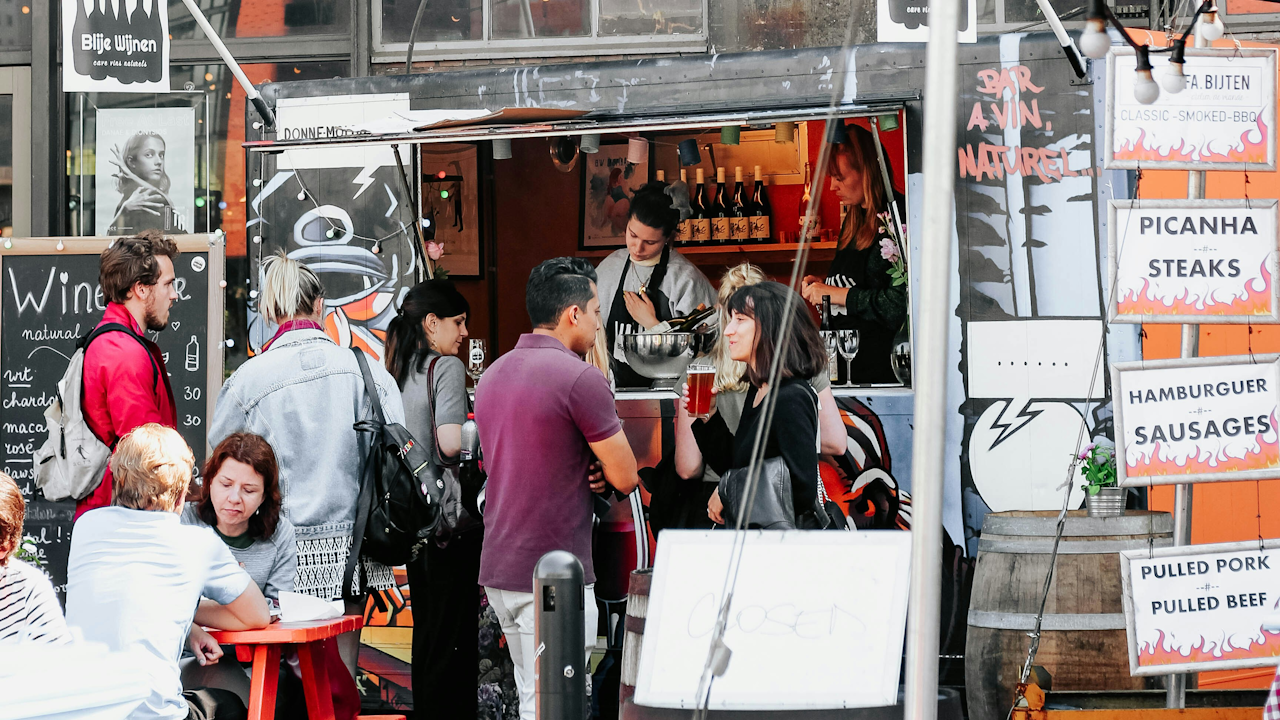
Street food represents one of the most authentic and vibrant expressions of global culture. It is more than just a quick bite on the go. It is a window into the daily lives, traditions, and flavors of people worldwide. From bustling night markets in Bangkok to taco stands in Mexico City, street food offers an unfiltered taste of local ingredients, techniques passed down through generations, and the social energy that binds communities. This guide explores the rich tapestry of street food across continents, highlighting iconic dishes, their origins, and practical advice for travelers eager to dive in. Whether you are a seasoned food adventurer or a curious newcomer, these pages will equip you with the knowledge to savor the world one stall at a time.
The appeal of street food lies in its immediacy and accessibility. Vendors prepare meals fresh in front of you, often using portable grills, woks, or carts that have been refined over decades. Prices remain low, making it possible for locals and visitors alike to eat well without reservations or formal attire. Beyond affordability, street food embodies resourcefulness. Cooks transform humble ingredients into masterpieces through bold spices, slow simmering, or quick high-heat searing. It also fosters connection. Standing shoulder to shoulder with strangers at a tiny counter creates shared moments that no restaurant can replicate. History plays a role too. Many dishes trace back centuries, evolving with migrations, colonial influences, and seasonal availability. In an era of global homogenization, street food preserves regional identity in every bite.
Asia stands as the undisputed heartland of street food. The continent pulses with markets that operate from dawn until after midnight, offering an endless rotation of snacks, mains, and desserts. In Thailand, the streets come alive with the sizzle of pad thai, a stir-fried noodle dish born in the 1930s as a government effort to promote rice noodles during a rice shortage. Rice noodles tangle with shrimp or tofu, bean sprouts, peanuts, and a sweet-tangy tamarind sauce. Nearby, som tam vendors pound green papaya salads in giant mortars, balancing fiery chilies, lime, fish sauce, and palm sugar for a refreshing crunch that locals eat at all hours. Head to Vietnam for pho, the aromatic beef or chicken noodle soup simmered with star anise and ginger for hours before dawn. Street stalls ladle it into bowls with fresh herbs, bean sprouts, and lime wedges. Banh mi sandwiches merge French baguettes with pickled carrots, daikon, cilantro, and slices of pork or tofu, creating a portable breakfast that reflects colonial history blended with local ingenuity.
Further east in India, street food thrives on chaos and flavor intensity. Mumbai’s vada pav resembles a spiced potato fritter tucked inside a soft bun, slathered with garlic chutney and served with a fiery green chili on the side. It emerged as affordable fuel for textile mill workers in the 1960s and now feeds millions daily. Pani puri, or golgappa, involves hollow crispy shells filled with chickpeas, potatoes, and tangy tamarind water that bursts in the mouth. In Delhi, chaat stalls pile together papri chaat with yogurt, chickpeas, and sev noodles for a symphony of textures. Indonesia contributes satay, skewers of marinated chicken or beef grilled over charcoal and dipped in peanut sauce. Malaysia offers nasi lemak, coconut rice wrapped in banana leaves with sambal, peanuts, and anchovies, often eaten for breakfast on the go. Japan keeps things precise with takoyaki, grilled octopus balls coated in bonito flakes that dance from the heat. China delivers jianbing, a savory crepe filled with egg, herbs, and crispy crackers, folded on a hot griddle in seconds. These Asian staples share a common thread: balance of sweet, sour, salty, and spicy elements achieved through fresh, local produce and time-honored recipes.
Latin America brings its own fiery and hearty traditions to the street food scene. Mexico transforms corn into an art form. Tacos al pastor rotate on vertical spits inspired by Middle Eastern shawarma, with marinated pork shaved onto warm tortillas and topped with pineapple, onion, and cilantro. Tamales, steamed in corn husks, encase masa dough filled with chicken mole or cheese and peppers, a dish dating back to pre-Columbian times. In Peru, anticuchos feature grilled beef heart marinated in vinegar and spices, a legacy of Inca ingenuity that now appears on carts across Lima. Colombia serves arepas, grilled corn cakes stuffed with cheese, avocado, or pulled meat, while Brazil offers coxinha, teardrop-shaped croquettes filled with shredded chicken and wrapped in dough. These dishes highlight indigenous staples like corn and potatoes elevated by Spanish, Portuguese, and African influences through centuries of trade and migration. Portion sizes tend to be generous, and heat levels vary from mild to eye-watering, so travelers should start slow and build tolerance.
Africa and the Middle East deliver bold, aromatic experiences rooted in communal cooking and desert trade routes. In Morocco, msemen flatbreads are folded with onions and spices then pan-fried until crisp, often paired with honey or olives at morning markets. Egypt’s streets overflow with koshari, a hearty mix of rice, lentils, pasta, and chickpeas topped with tomato sauce and fried onions, created as a budget-friendly meal during the 19th century. Shawarma dominates the Levant, where spiced meat spins on vertical rotisseries and gets shaved into pita with garlic sauce, pickles, and tomatoes. Falafel, deep-fried chickpea or fava bean patties, originated in Egypt centuries ago and now appears everywhere from Cairo to Beirut, stuffed into wraps with tahini and salad. South Africa presents bunny chow, a hollowed-out loaf of bread filled with spicy curry, invented by Indian immigrants in Durban during the apartheid era as a convenient takeaway. Nigeria’s suya features thinly sliced beef or chicken rubbed with peanut-based spice blends and grilled over open flames, a staple at evening markets. These regions emphasize grilled proteins, legumes, and flatbreads that travel well and provide sustenance in hot climates.
Europe offers refined yet approachable street food that reflects its diverse culinary heritage. Italy’s pizza al taglio emerges from rectangular trays, sliced to order with toppings like fresh mozzarella and basil, a quick lunch option in Rome or Florence. France provides crepes from mobile carts, filled with Nutella, ham and cheese, or lemon sugar, a tradition that dates to Breton farmers who used buckwheat flour. In the United Kingdom, fish and chips wrapped in paper delivers battered cod and thick fries, seasoned with salt and vinegar, a working-class favorite since the 1860s. The Netherlands serves stroopwafels, warm waffle cookies sandwiched with caramel, perfect for pairing with coffee at canal-side stalls. Germany contributes currywurst, sliced sausage smothered in curry ketchup and served with fries, a post-World War II invention that became a Berlin icon. Eastern Europe adds pierogi dumplings filled with potato and cheese or meat, boiled or fried and sold at festivals. These European offerings often pair comfort with portability, making them ideal for city explorers.
North America has evolved its street food into a dynamic fusion landscape. American hot dogs, steamed or grilled and nestled in buns with mustard and sauerkraut, trace their roots to German immigrants in the late 1800s and remain stadium and sidewalk staples. Food trucks have expanded the scene dramatically, offering everything from Korean tacos blending bulgogi with corn tortillas to Venezuelan arepas in urban centers. In Canada, poutine piles cheese curds and gravy over fries, a Quebec invention from the 1950s that now appears nationwide. Mexico-influenced trucks in Los Angeles serve birria tacos, slow-cooked goat or beef dipped in consommé. These examples show how immigrant communities have reshaped public spaces into global flavor hubs, often operating with creativity and speed to meet busy lifestyles.
Beyond these core regions, other corners of the world add unique notes. Australia features meat pies with flaky pastry encasing minced beef and gravy, a portable lunch staple at sports grounds and markets. New Zealand offers hangi-inspired street versions of slow-cooked meats wrapped in leaves, though more commonly found at festivals. The Caribbean brings jerk chicken from Jamaican roadside grills, marinated in allspice and scotch bonnet peppers for smoky heat. Southeast Asian islands like the Philippines serve isaw, grilled chicken intestines skewered and dipped in vinegar, a late-night favorite that showcases nose-to-tail eating.
To fully embrace global street food, preparation matters. Hygiene remains paramount. Look for stalls with high turnover and crowds of locals, as steady business indicates fresh ingredients. Observe the vendor’s practices: clean hands, separate utensils for raw and cooked items, and properly heated cooking surfaces reduce risks. Drink bottled or boiled water, and avoid ice unless you confirm its source. Start with milder dishes to gauge spice tolerance and stomach resilience. Payment methods vary; carry small local currency because many vendors operate cash-only. Etiquette counts too. In many cultures, eating with your hands is expected, so wash them thoroughly at provided stations. Compliment the cook genuinely; it often leads to extra portions or recipe insights.
Timing enhances the experience. Breakfast stalls open early with portable items like rice porridge or egg sandwiches. Lunch peaks around midday when workers queue for quick, filling plates. Evening markets transform into social hubs with lights, music, and a wider array of grilled specialties. Nighttime often brings the most adventurous options, such as fried insects in Thailand or deep-fried snacks in Mexico. Research local festivals or night markets in advance through tourism boards or word-of-mouth from fellow travelers. Apps and maps can locate popular spots, but the best discoveries happen by following your nose and the longest lines.
Sustainability and ethics also play a growing role in street food culture. Many vendors now use biodegradable packaging or source ingredients locally to minimize waste. Travelers can support these practices by choosing stalls that avoid single-use plastics and by finishing every bite to reduce food waste. Engaging with vendors fosters cultural exchange. Ask questions about ingredients or family recipes, and you may learn techniques that date back generations. Some cities offer street food tours led by locals, providing context that deepens appreciation.
Challenges exist, of course. Crowds can overwhelm narrow alleys, and language barriers sometimes complicate orders. Patience and a sense of humor help navigate these moments. Allergies require clear communication; learn basic phrases for common ingredients in the local language. Vegetarians and vegans can find options almost everywhere, though confirmation of preparation methods prevents surprises. Children and those with sensitive stomachs benefit from milder selections and smaller portions initially.
Ultimately, street food transcends mere sustenance. It captures the pulse of a place in a single, steaming plate or skewer. Each region contributes its signature spices, proteins, and presentation styles, yet all share a democratic spirit that welcomes everyone. From the fragrant broths of Vietnam to the spicy curries of South Africa, these dishes tell stories of migration, resilience, and celebration. They remind us that the most memorable meals often occur under open skies, surrounded by strangers who become momentary companions over shared flavors.
As you plan your next journey, pack curiosity alongside comfortable shoes. Venture beyond hotel restaurants and tourist traps. Seek out the unassuming cart with the longest queue or the market stall emitting the most enticing aromas. Sample widely but savor slowly. Global street food rewards the bold and the open-minded with flavors that linger long after the trip ends. It is not just food; it is the ultimate passport to understanding the world, one delicious bite at a time. Whether you return home with new recipes or simply cherished memories, the streets will have left an indelible mark on your palate and perspective.