

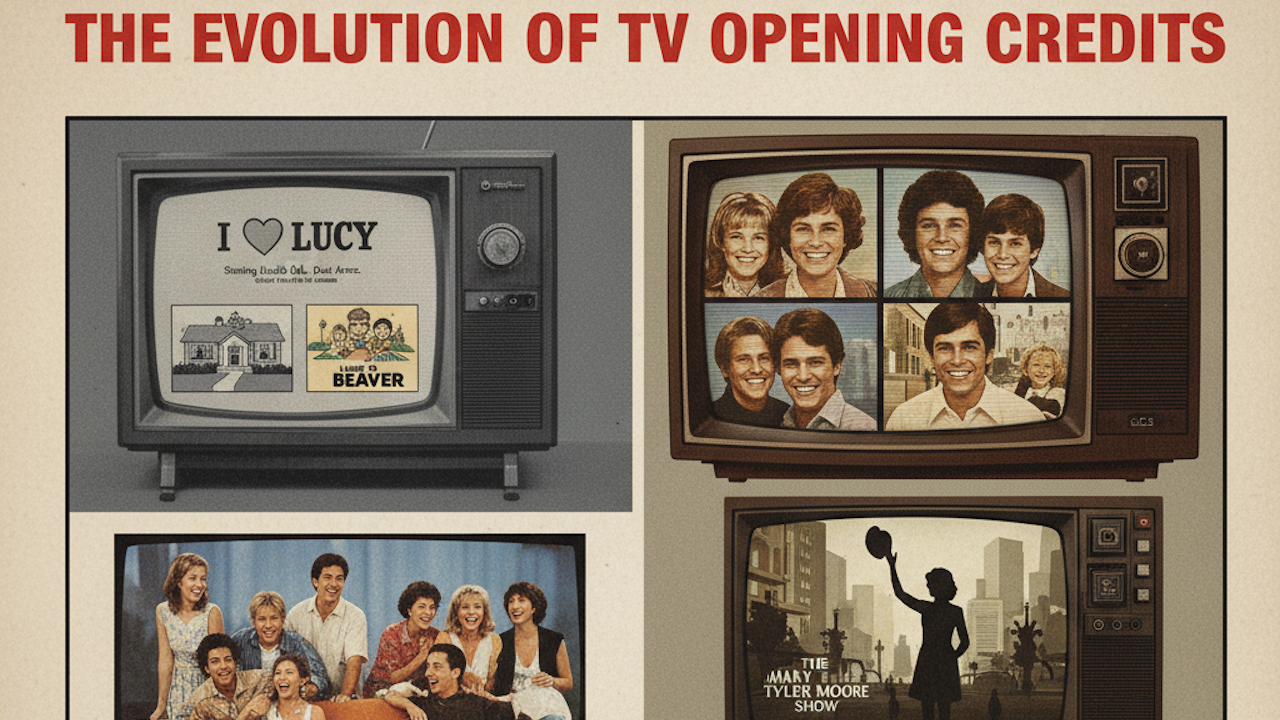
Television opening credits have served as the gateway to countless stories for decades. They introduce characters, set the mood, and establish a show’s identity. From humble beginnings as simple text overlays to elaborate artistic statements, these sequences reflect broader changes in technology, audience expectations, and the television industry itself. This article explores their development across eras.
The Early Years: Simplicity and Sponsorship
In the 1940s and 1950s, television was a new medium. Opening credits were basic. Networks often displayed static title cards with the show name, cast, and crew. These appeared over live action or simple backgrounds. Sponsors exerted significant influence. Many sequences included product mentions or logos because single sponsors funded entire programs.
Shows like I Love Lucy featured straightforward credits. The focus remained on the live performance rather than elaborate introductions. Practical considerations drove this minimalism. Production budgets were limited, and filming techniques were basic. Credits helped viewers know what they were watching in an era when channel surfing was not yet common and remote controls did not exist.
By the late 1950s and early 1960s, credits began incorporating more personality. Theme music emerged as a key element. Composers created memorable tunes that played while basic visuals rolled. This period marked a transition toward using openings to build anticipation rather than merely inform.
The 1960s and 1970s: Storytelling Through Song and Character
The 1960s brought more creative openings. Television expanded, and competition increased. Producers realized credits could hook audiences immediately. Many shows used catchy theme songs that summarized premises.
Gilligan’s Island exemplified this approach. Its theme song explained the entire setup: a group stranded after a shipwreck. Similar techniques appeared in The Brady Bunch, where the song introduced the blended family. These sequences doubled as exposition, helping new viewers quickly understand the concept.
Other shows employed narration. Star Trek featured William Shatner’s iconic voiceover about space exploration. The Twilight Zone used Rod Serling’s introductions to set a mysterious tone. Animation entered the mix too. The Flintstones and The Jetsons used cartoon sequences to establish their worlds.
Hero shots and cast introductions became standard. Actors appeared in character, often smiling at the camera. This era emphasized familiarity and warmth, suiting the family-oriented programming dominant at the time. Technical limitations still applied. Most sequences relied on practical effects, film montages, and static shots. Yet they left lasting cultural impressions. Many theme songs from this period remain recognizable today.
The 1980s and 1990s: Action, Glamour, and Over-the-Top Energy
The 1980s and 1990s marked a shift toward high-energy openings. Television embraced bigger production values. Prime-time soaps and action dramas proliferated. Credits reflected this excess.
Sequences grew longer and packed with footage. Rapid cuts showed action clips, dramatic moments, and cast members in heroic poses. Miami Vice used stylish visuals synced to its electronic theme. The A-Team featured narration and explosive highlights. Baywatch highlighted lifeguards running on beaches in slow motion.
Comedies continued the expository tradition. The Fresh Prince of Bel-Air told Will Smith’s backstory through rap. The Nanny used a similar sung summary. These openings entertained while informing. They also served commercial purposes. Networks needed to retain viewers during an era of growing cable competition.
Visual styles evolved with technology. Early computer graphics appeared. Neon effects, bold fonts, and dynamic transitions became common. Credits often included location shots or character-specific vignettes. This period represented peak accessibility. Almost anyone could understand a show’s concept within the first minute.
However, by the late 1990s, fatigue set in. Lengthy sequences felt dated as attention spans shortened and viewers gained more viewing options. Some shows experimented with shorter formats or variations.
The Turning Point: Artistic Ambition in the 1990s
A pivotal change occurred with shows like Twin Peaks in 1990. David Lynch’s series featured a dreamy, atmospheric opening. Slow visuals of a town combined with haunting music created mood without heavy exposition. A final image hinted at darker elements. This approach influenced future designs by prioritizing atmosphere over information.
Cable networks like HBO pushed boundaries further in the late 1990s and early 2000s. The Sopranos opened with Tony driving into New Jersey, accompanied by a rock track. The sequence captured character and setting economically. Six Feet Under used a striking montage related to death. These examples showed credits could function as short films, enhancing the overall artistic quality of television.
The 2000s: Cinematic Quality and Narrative Integration
The new millennium brought a golden age for opening credits. Premium cable and rising production standards elevated them. Digital technology enabled complex visuals previously impossible on traditional budgets.
Mad Men featured a silhouette falling through a world of advertising imagery. This reflected themes of identity and consumerism. True Blood used a provocative montage of Southern imagery with a bluesy song. Dexter presented a stylized morning routine hinting at the protagonist’s dark nature.
Game of Thrones, launching in 2011, raised the bar. Its intricate map-based sequence showed shifting landscapes and locations. The design evolved with the story, incorporating new elements as territories changed. This interactivity between credits and narrative became a hallmark of ambitious series.
Streaming services amplified these trends. Netflix, Hulu, and others produced original content competing on quality. Openings like Stranger Things evoked 1980s nostalgia through synth music and retro fonts. Westworld used intricate mechanical imagery to explore artificial intelligence themes. Many sequences now stood alone as visual art pieces.
Minimalism and Experimentation in Recent Years
Not all modern credits are elaborate. Some embrace minimalism. Breaking Bad used a simple periodic table-inspired title card. Better Call Saul varied its black-and-white sequences episode by episode, sometimes using them to foreshadow events. This flexibility allowed credits to adapt to storytelling needs.
Other shows skip traditional openings entirely or make them skippable. Streaming platforms introduced “skip intro” buttons, reflecting viewer impatience. Yet strong sequences still matter for marketing and identity. They appear in trailers and social media clips.
Technological advances drive innovation. Computer-generated imagery, motion graphics, and data visualization create immersive experiences. Teams of specialists now design credits, often collaborating with showrunners early in development. Budgets for these sequences can reach significant amounts for major productions.
Cultural and Technical Influences
Throughout their evolution, opening credits mirror societal and technical shifts. Early television reflected broadcast constraints and sponsor demands. The rise of color TV enabled vibrant designs. Videotape and later digital editing allowed faster assembly of montages.
Audience habits changed everything. Remote controls, DVRs, and streaming altered how people watch. Shorter attention spans favored concise or compelling openings. Globalization spread stylistic influences across countries. Anime-inspired sequences or international co-productions introduced new aesthetics.
Iconic examples endure. The Simpsons maintains its classic couch gag format with variations. The Office used mockumentary-style credits that fit its tone. These sequences become part of cultural memory, quoted and parodied widely.
The Future of TV Opening Credits
Today, opening credits balance art, commerce, and utility. In an era of peak television with hundreds of shows, they help titles stand out. Some predict further integration with episodes, such as cold opens that flow directly into credits. Others envision interactive or personalized sequences for streaming.
Virtual reality or advanced augmented reality could transform them entirely. Yet core purposes remain: introduce the story, establish tone, and credit creators. Even minimalist approaches serve these goals effectively.
The journey from static cards to cinematic masterpieces shows television’s maturation. Opening credits have grown from afterthoughts to essential components of the viewing experience. They continue evolving as the medium itself changes, promising new creative heights in the years ahead.
This rich history underscores their enduring appeal. Whether nostalgic sing-alongs or haunting visuals, these sequences shape how audiences connect with stories. They remain a vital part of television’s artistic legacy.