

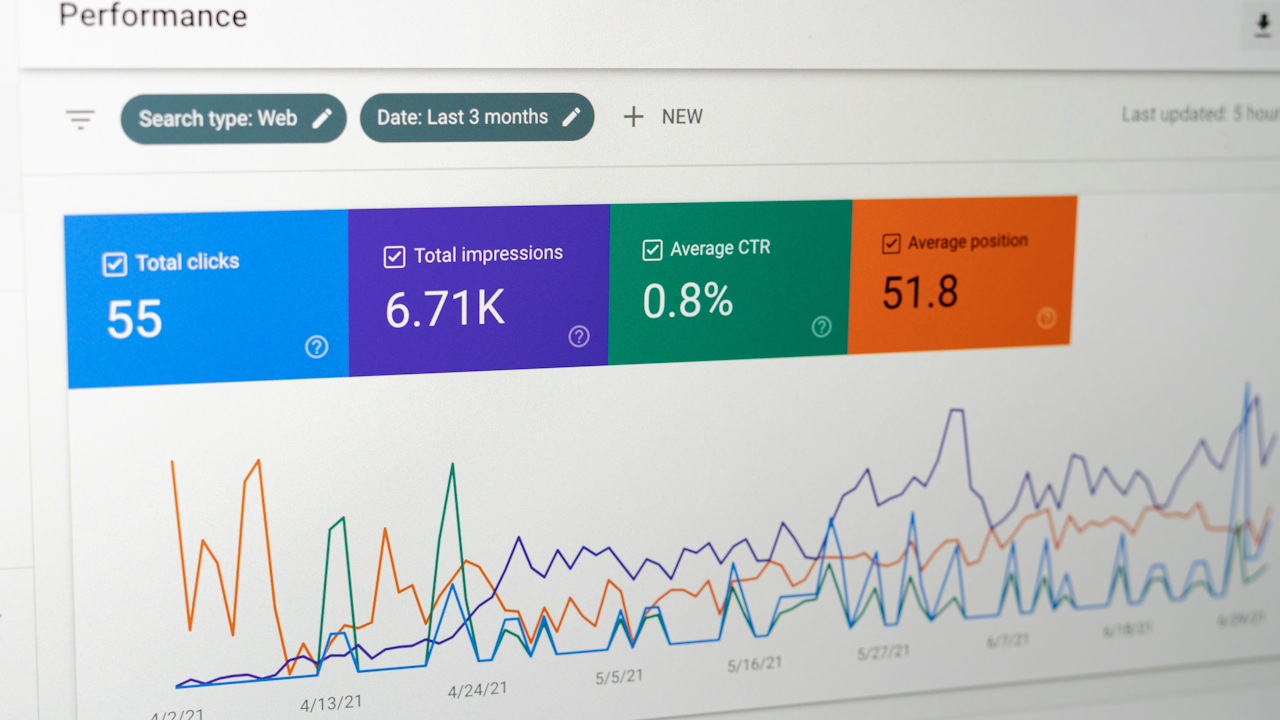
Marketing has evolved from guesswork and gut feelings to a data-driven discipline. With endless dashboards and reports available, the real challenge is not collecting data but focusing on the metrics that genuinely drive business growth. Many teams waste time tracking vanity metrics that look impressive but fail to connect to revenue or long-term success. This article explores the marketing metrics worth prioritizing, explains why they matter, and shows how to use them effectively.
Why Most Marketing Metrics Are a Distraction
Before diving into the essential metrics, it is important to understand the problem with many common measurements. Vanity metrics such as total website visitors, social media followers, or email list size often create a false sense of progress. These numbers can grow while revenue stays flat or declines.
The best metrics share three characteristics. They are actionable, meaning you can influence them through specific changes. They are tied to business outcomes like revenue or customer lifetime value. Finally, they are comparable over time and against industry benchmarks. Focusing on these helps marketers move from reporting activity to demonstrating real impact.
Customer Acquisition Metrics
Acquiring new customers is the foundation of growth, but not all acquisition is equal. The following metrics help evaluate efficiency and quality.
Customer Acquisition Cost (CAC)
CAC measures the total cost of acquiring a new customer. Calculate it by dividing all marketing and sales expenses over a period by the number of new customers acquired in that period. Include salaries, ad spend, content creation costs, tools, and agency fees.
For example, if a company spends $50,000 on marketing and sales in a month and gains 200 new customers, the CAC is $250. This metric becomes powerful when tracked over time and segmented by channel. A rising CAC might signal increasing competition or inefficient campaigns.
Compare CAC against customer lifetime value (explained later). A common rule of thumb suggests CAC should pay for itself within 12 months or less for sustainable growth. Businesses in competitive industries like SaaS often aim for a CAC payback period under 6-9 months.
Cost Per Acquisition (CPA)
CPA is similar to CAC but is often used for specific campaigns or channels. It focuses on the cost to achieve a desired action, such as a sign-up or purchase. Track CPA by platform: Google Ads, Facebook, organic search, or referral programs. Lower CPA indicates better efficiency, but always balance it with customer quality.
Return on Ad Spend (ROAS)
ROAS shows revenue generated for every dollar spent on advertising. The formula is revenue from ads divided by ad spend. A ROAS of 4x means $4 in revenue for every $1 spent. E-commerce businesses often target 4x or higher, while lead generation companies might accept lower ratios if leads convert well downstream.
ROAS works best when attributed properly. Multi-touch attribution models provide more accurate pictures than last-click models, especially in longer sales cycles.
Engagement and Interest Metrics
Once potential customers discover your brand, you need to hold their attention. These metrics reveal how well content and experiences resonate.
Engagement Rate
On social media, engagement rate calculates interactions (likes, comments, shares, clicks) divided by reach or impressions. On email, it includes open rates and click-through rates. High engagement signals relevant, valuable content.
Context matters. A 2% engagement rate on Instagram might be strong for some industries but weak for others. Always benchmark against your own historical performance and similar companies.
Time on Page and Pages Per Session
Website analytics tools like Google Analytics track these behavioral signals. Longer time on page and more pages viewed suggest visitors find the content useful. These metrics help identify which landing pages or blog posts perform well and which need improvement.
Low time on page combined with high bounce rate often indicates mismatched expectations from ads or poor page design. Use this insight to refine headlines, load times, and calls to action.
Click-Through Rate (CTR)
CTR measures the percentage of people who click on a link or ad after seeing it. Track it for email subject lines, ad copy, meta descriptions, and social posts. Higher CTR indicates compelling messaging.
A good CTR varies widely. Search ads might aim for 3-5% or higher, while display ads often see much lower rates around 0.5%. Test variations continuously to improve this metric.
Conversion Metrics
Conversion turns interest into action. These metrics bridge the gap between awareness and revenue.
Conversion Rate
The most fundamental conversion metric is the percentage of visitors who complete a desired action. Calculate it as conversions divided by total visitors or sessions. Apply it to overall website conversion, landing page conversion, or specific funnel stages.
E-commerce sites often target 2-4% overall conversion rates, while lead generation sites might see 5-10% or higher depending on offer strength. Improving conversion rate through testing can be more cost-effective than increasing traffic.
Lead-to-Customer Conversion Rate
For B2B companies, this metric tracks what percentage of marketing-qualified leads (MQLs) become paying customers. It reveals the quality of leads generated by marketing efforts. A low rate might indicate poor lead nurturing or misalignment between marketing and sales teams.
Abandonment Rates
Cart abandonment in e-commerce and form abandonment on lead capture pages highlight friction points. These rates often exceed 60-70% in e-commerce, creating significant recovery opportunities through email reminders, retargeting, and checkout optimization.
Retention and Loyalty Metrics
Acquiring customers costs money. Keeping them generates profit. Retention metrics often deliver the highest return on marketing investment.
Customer Retention Rate
Calculate retention rate as (customers at end of period minus new customers) divided by customers at start of period, multiplied by 100. A 90% monthly retention rate sounds impressive but compounds to significant churn over time. Track cohort retention to see how different groups of customers behave.
Churn Rate
The opposite of retention, churn rate measures lost customers. For subscription businesses, monthly churn under 5% is often a good target, with best-in-class companies achieving under 1-2%. Reducing churn by even small percentages can dramatically impact revenue.
Net Promoter Score (NPS)
NPS measures customer loyalty through a simple survey question: “How likely are you to recommend us to a friend or colleague?” Scores range from -100 to 100. Promoters (9-10) minus detractors (0-6) gives the score. While not perfect, NPS correlates with growth in many industries.
Follow up NPS with qualitative feedback to understand drivers of satisfaction and dissatisfaction.
Revenue and Value Metrics
Ultimately, marketing exists to drive profitable growth. These metrics connect activities to financial outcomes.
Customer Lifetime Value (CLV or LTV)
CLV predicts the total revenue a business can expect from a single customer account. Basic calculation multiplies average purchase value by purchase frequency by average customer lifespan. More sophisticated models incorporate retention rates and discount rates.
The LTV to CAC ratio is one of the most important health indicators for a business. A ratio of 3:1 or higher suggests healthy unit economics. Below 1:1 indicates unsustainable spending.
Revenue Per User (ARPU)
Average revenue per user helps track monetization effectiveness. Segment ARPU by acquisition channel, customer type, or geography to identify high-value segments worth targeting more aggressively.
Marketing-Attributed Revenue
Using attribution models, determine what portion of revenue can be credited to marketing efforts. Multi-touch and data-driven attribution provide better accuracy than single-touch models. This metric justifies marketing budgets and guides resource allocation.
Advanced Metrics for Sophisticated Teams
As organizations mature, they adopt more nuanced measurements.
Marketing Qualified Lead (MQL) to Sales Qualified Lead (SQL) Ratio
This funnel efficiency metric shows how well marketing hands off prospects to sales. A low ratio might mean marketing targets the wrong audience or sales lacks proper enablement.
Customer Acquisition Efficiency (CAE)
Some companies calculate the time and resources needed to acquire customers at scale. This becomes crucial during growth phases where maintaining efficiency proves challenging.
Brand Lift Metrics
For awareness campaigns, surveys can measure improvements in brand recall, consideration, and preference. While harder to track, these metrics matter for long-term category leadership.
Share of Voice
In competitive markets, measuring your brand’s visibility compared to competitors provides strategic context. Tools can track mentions, search visibility, and social conversation share.
Metrics to Approach with Caution
Some popular metrics deserve skepticism or careful interpretation.
Total followers or subscribers often fail to reflect active, engaged audiences. Focus instead on active users or engaged segments.
Impressions and reach can be misleading without engagement or conversion data. A campaign with millions of impressions but low CTR wastes resources.
Bounce rate requires context. Some high bounce rates are acceptable for informational content where users find their answer quickly.
Vanity URL clicks or download numbers mean little without follow-through behavior.
Choosing the Right Metrics for Your Business
The ideal metrics depend on several factors:
- Business model (e-commerce, SaaS, service-based)
- Sales cycle length
- Growth stage (startup vs established)
- Marketing channels used
- Available data and attribution capabilities
Start with a small set of 5-7 key performance indicators. Review them weekly or monthly. Create a marketing dashboard that highlights these metrics with trends, targets, and alerts.
Align metrics across teams. Marketing, sales, and finance should agree on definitions and targets. Regular business reviews should focus on these shared metrics rather than isolated channel reports.
Implementing a Metrics-Driven Marketing Strategy
- Define clear business objectives first. Metrics should support these goals.
- Set up proper tracking. Ensure UTM parameters, conversion pixels, and CRM integration work correctly.
- Segment everything. Channel, campaign, audience, and customer cohort analysis reveal hidden insights.
- Test and learn continuously. Use A/B testing and control groups to validate assumptions.
- Review and iterate. What gets measured improves, but only if you act on the data.
- Invest in analytics talent or training. Understanding statistical significance, correlation versus causation, and data visualization prevents misinterpretation.
Common Pitfalls and How to Avoid Them
Over-optimization on short-term metrics can damage long-term brand health. Balance performance marketing with brand building.
Attribution challenges in multi-channel environments lead to incorrect credit assignment. Use incrementality testing and controlled experiments where possible.
Ignoring external factors such as seasonality, economic conditions, or competitor actions can lead to wrong conclusions. Always contextualize data.
Focusing only on averages misses important variations. Deep segmentation often uncovers opportunities that aggregate numbers hide.
The Future of Marketing Metrics
Privacy changes, AI-powered analytics, and omnichannel customer journeys continue reshaping measurement. Expect greater emphasis on predictive metrics, unified customer views, and privacy-compliant tracking methods.
Incrementality measurement and causal inference techniques will become more important as traditional attribution faces challenges. Teams that build flexible, adaptable measurement frameworks will maintain competitive advantage.
Conclusion
The marketing metrics you should actually care about connect directly to customer value, business growth, and sustainable profitability. By focusing on CAC, ROAS, conversion rates, retention, CLV, and their supporting indicators, marketers can demonstrate clear ROI and make better strategic decisions.
Success comes not from tracking more metrics but from understanding the right ones deeply and using them to guide action. Build systems that surface insights rather than just data. Align your team around shared, meaningful measurements. Most importantly, remember that metrics exist to serve strategy, not replace judgment.
Regularly audit your metrics dashboard. Ask whether each number helps make better decisions or simply fills a report. The most successful marketing organizations maintain focus on what truly moves the needle for their specific business context. By applying the principles in this article, you can shift from vanity metrics to value-driven marketing that delivers consistent, measurable results.