

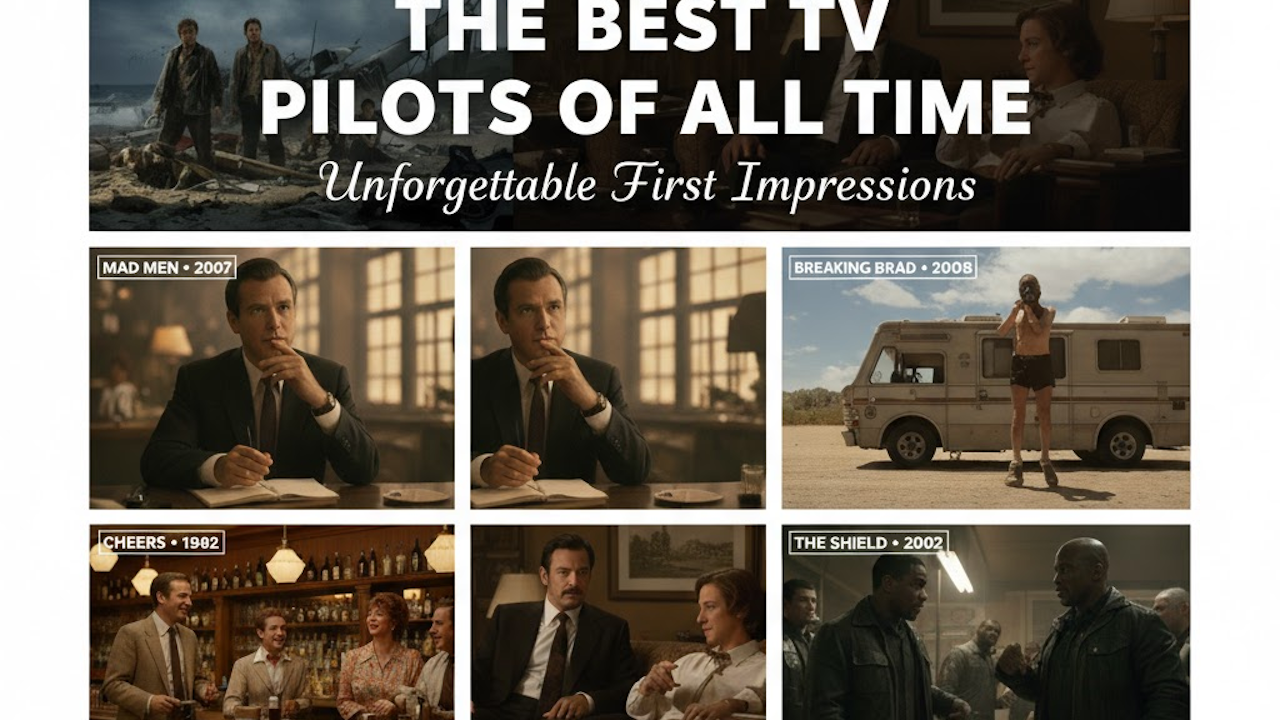
Television pilots serve as the crucial first impression for any series. They must introduce compelling characters, establish a unique world and tone, set up ongoing conflicts, and hook viewers enough to commit to future episodes. Many acclaimed shows owe their success to exceptional opening installments that not only launched their narratives but also redefined storytelling possibilities on the small screen. This article explores some of the most celebrated TV pilots, drawing from critical consensus, viewer impact, and lasting influence across decades. These episodes stand out for their innovation, emotional depth, technical ambition, and ability to captivate audiences instantly.
Lost: “Pilot” (Parts 1 and 2, 2004)
Few pilots match the sheer cinematic scale and mystery of Lost. Directed by J.J. Abrams and written by Jeffrey Lieber, Abrams, and Damon Lindelof, this two-part premiere follows the survivors of Oceanic Flight 815 after a catastrophic crash on a remote island. The episode opens with Jack Shephard (Matthew Fox) awakening in a bamboo forest amid the wreckage, then shifts to the chaotic beach where passengers struggle to survive.
What makes this pilot extraordinary is its ability to juggle a large ensemble cast while building immediate intrigue. Viewers meet iconic characters like Kate, Sawyer, Locke, Hurley, and Sayid, each with hints of hidden backstories. The episode delivers visceral action, such as attempts to signal for rescue and encounters with the island’s dangers, including a polar bear and the ominous “monster.” By the end, with the line “Guys… where are we?”, it leaves audiences desperate for answers. At a reported cost of $13-14 million, it was one of the most expensive pilots ever, yet it justified every dollar by launching a cultural phenomenon that averaged high viewership in its first season.
Lost changed television by blending survival drama, science fiction, and character study. Its pilot remains a masterclass in world-building that rewards rewatches even knowing the series’ eventual twists.
Breaking Bad: “Pilot” (2008)
Vince Gilligan’s Breaking Bad begins with one of the most efficient and gripping openings in TV history. The cold open drops viewers into chaos: Walter White (Bryan Cranston), clad in underwear and a gas mask, drives a careening RV through the desert, with two dead bodies in the back. The episode then flashes back to Walter’s mundane life as a high school chemistry teacher and car wash employee, diagnosed with terminal cancer, and struggling financially.
The brilliance lies in its character thesis. In under an hour, it transforms Walter from a meek family man into someone capable of cooking meth with his former student Jesse Pinkman (Aaron Paul). Key moments, like Walter’s recorded message to his family or his first tentative steps into crime, establish moral stakes and dark humor. The pilot balances tension, family drama, and black comedy flawlessly, proving that a slow-burn antihero story could thrive on basic cable. It drew modest initial viewers but built a devoted audience that propelled the show to legendary status.
This episode exemplifies how a pilot can serve as both a self-contained story and a launchpad for profound character evolution.
Mad Men: “Smoke Gets in Your Eyes” (2007)
Matthew Weiner’s Mad Men pilot immerses viewers in the sleek, smoky world of 1960s New York advertising. Jon Hamm’s Don Draper, a brilliant but enigmatic creative director, navigates client pitches, office politics, and personal secrets. The episode introduces the Sterling Cooper agency and key figures like Peggy Olson (Elisabeth Moss), Pete Campbell, and Betty Draper.
Subtlety defines its excellence. It reveals Don’s complexities through interactions rather than exposition, culminating in a twist about his home life. The production design, costumes, and dialogue capture an era of casual sexism, heavy drinking, and creative ambition with hypnotic precision. On a budget exceeding $3 million, it set a new standard for prestige drama.
Mad Men rewrote rules for character-driven series, influencing countless shows with its focus on identity and societal change.
The Sopranos: “Pilot” (1999)
David Chase’s The Sopranos pilot introduced television’s quintessential antihero. James Gandolfini’s Tony Soprano, a New Jersey mob boss, seeks therapy for panic attacks while managing family and “work” obligations. The episode juxtaposes his suburban life with Carmela and the kids against his criminal enterprises.
It excels by humanizing a gangster through therapy sessions with Dr. Jennifer Melfi (Lorraine Bracca). Iconic scenes, like Tony’s encounter with a family of ducks or his first meeting with the therapist, blend humor, violence, and introspection. This pilot rewrote television by blending mob drama with psychological depth, paving the way for the prestige TV era.
The West Wing: “Pilot” (1999)
Aaron Sorkin’s The West Wing opens with rapid-fire dialogue and idealism in the White House. It introduces President Josiah Bartlet (Martin Sheen) and his staff, including Josh Lyman, Toby Ziegler, and C.J. Cregg, as they handle crises from a controversial appointment to a potential assassination threat.
The episode’s walk-and-talk style, witty banter, and moral urgency hooked viewers instantly. It establishes the show’s blend of policy wonkery, personal drama, and optimism, making politics feel dynamic and noble. Many consider it among the finest pilots for its ensemble chemistry and thematic clarity.
ER: “24 Hours” (1994)
Michael Crichton’s two-hour pilot for ER revolutionized medical dramas with its chaotic energy. Set in Chicago’s County General Hospital, it follows doctors and nurses on a frantic shift, including John Carter’s first day. Shocking moments, like Nurse Hathaway’s suicide attempt, add stakes.
Kinetic camerawork, overlapping dialogue, and real medical jargon created unprecedented realism. It drew massive viewership and set the template for fast-paced ensemble procedurals.
Friday Night Lights: “Pilot” (2006)
Peter Berg’s Friday Night Lights captures small-town Texas life through high school football. The episode introduces Coach Eric Taylor (Kyle Chandler), his family, and players like Jason Street and Smash Williams, building to a devastating injury.
Handheld camerawork and authentic emotion make the community feel lived-in. The mantra “Clear eyes, full hearts, can’t lose” emerges as the show explores pressure, race, and dreams beyond the gridiron.
Twin Peaks: “Northwest Passage” (1990)
David Lynch and Mark Frost’s surreal mystery begins with the discovery of Laura Palmer’s body in the small town of Twin Peaks. FBI Agent Dale Cooper (Kyle MacLachlan) investigates amid quirky locals and eerie atmosphere.
Its blend of procedural, soap opera, and supernatural elements, plus Lynch’s distinctive tone, made it groundbreaking. It drew huge audiences and influenced genre-blending TV.
Other Standouts
- The Shield: “Pilot” (2002): Vic Mackey’s corrupt strike team sets a gritty, intense tone for antihero cop dramas.
- Pushing Daisies: “Pie-lette” (2007): Whimsical narration and visual flair introduce Ned’s life-reviving ability.
- Game of Thrones: “Winter Is Coming” (2011): Efficient world-building across continents, ending with a shocking cliffhanger.
- Arrested Development: “Pilot” (2003): Dense jokes and narrator-driven absurdity launch the dysfunctional Bluth family.
- This Is Us: “Pilot” (2016): Emotional family stories culminate in a clever time-jumping twist.
What Makes These Pilots Exceptional?
Great pilots share traits: strong hooks (crashes, diagnoses, murders), efficient character introductions, tonal clarity, and forward momentum. They balance standalone stories with series potential, often using innovative techniques like split-screens (24), unreliable narration (Mr. Robot), or ensemble scope (Lost). Many faced high budgets or network skepticism yet succeeded through bold vision.
These episodes not only launched hits but elevated the medium, inspiring deeper storytelling and higher production values. While tastes vary, their influence endures in how new series aim to grab attention immediately.
In conclusion, the best TV pilots transcend mere introductions. They create worlds worth returning to, characters worth investing in, and questions worth pondering. From the mysterious island of Lost to the moral decay in Breaking Bad, these episodes remind us why television remains a powerful storytelling force. Whether revisiting classics or discovering them anew, they offer timeless entertainment and lessons in craft.