

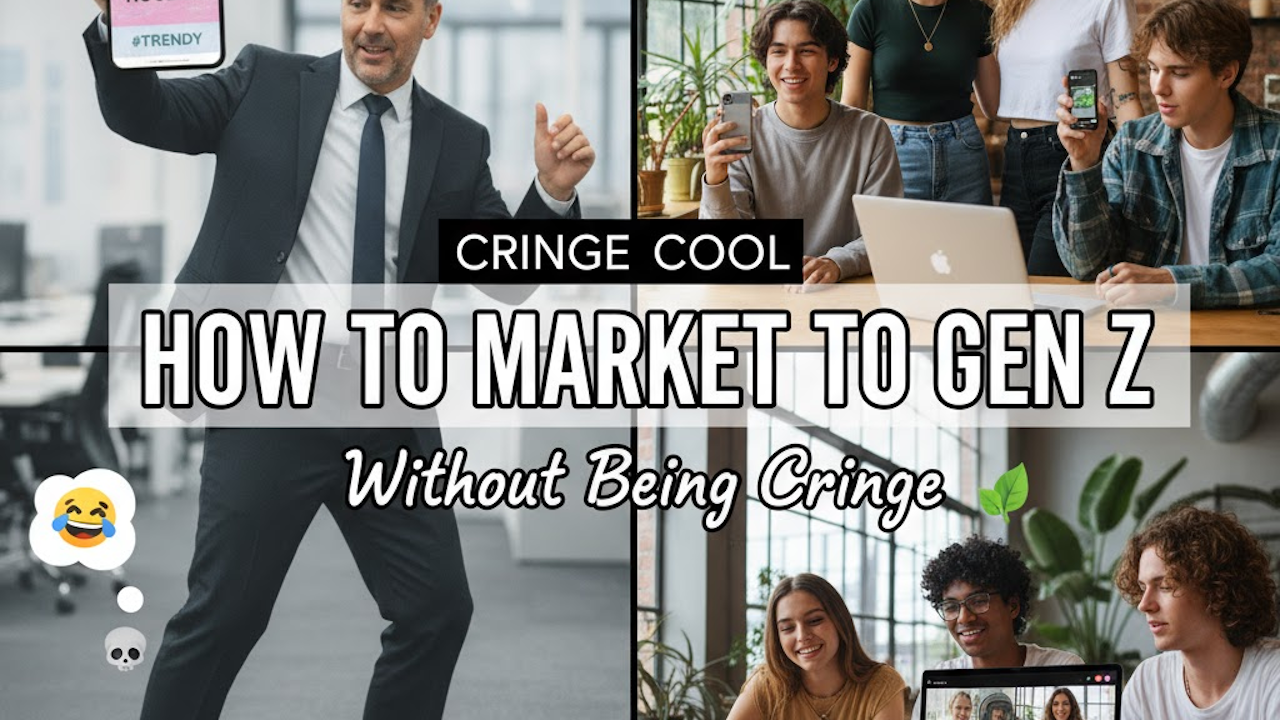
Gen Z, the generation born roughly between 1997 and 2012, represents a massive consumer force with significant spending power and influence over trends. As they enter the workforce and gain more financial independence, brands are eager to connect with them. Yet many marketing efforts fall flat or worse, come across as painfully out of touch. The key challenge is reaching them effectively without resorting to forced slang, outdated memes, or performative attempts at coolness that scream “trying too hard.”
This article explores practical, respectful strategies for marketing to Gen Z. It draws on their core values, digital behaviors, and preferences to help brands build genuine connections rather than alienate them.
Understanding Gen Z: The Foundation of Effective Marketing
Before crafting any campaign, marketers must grasp who Gen Z truly is. Unlike previous generations, Gen Z grew up with smartphones, social media, and constant connectivity. They are digital natives who navigate a world shaped by economic uncertainty, climate anxiety, social movements, and rapid technological change.
Key characteristics include:
- Value-driven consumers: They prioritize authenticity, sustainability, diversity, and social responsibility. A 2023 survey by McKinsey found that a significant portion of Gen Z would switch brands based on ethical practices.
- Short attention spans and high standards: They consume content quickly across platforms like TikTok, Instagram Reels, and YouTube Shorts. They can spot inauthenticity instantly.
- Community-oriented: They seek belonging and support causes. Mental health awareness, inclusivity, and transparency matter deeply.
- Skeptical of traditional advertising: They prefer peer recommendations, influencer collaborations, and user-generated content over polished commercials.
The biggest mistake brands make is assuming Gen Z wants to be “spoken to” like teenagers with trendy lingo. Instead, treat them as savvy, discerning adults who appreciate smart, honest communication.
Principle 1: Prioritize Authenticity Over Performance
Gen Z can detect corporate pandering from a mile away. Avoid scripts where executives awkwardly use phrases like “slay” or “vibe check” in ads. This approach often backfires and becomes the subject of mockery on social media.
Instead, focus on transparency. Share behind-the-scenes content that shows real people at your company. For example, Patagonia has succeeded by consistently aligning its marketing with environmental activism without flashy gimmicks. Their campaigns highlight real impact stories rather than celebrity endorsements alone.
Practical tips:
- Use real employees or customers in content instead of actors.
- Admit mistakes publicly when they happen. Gen Z respects brands that own up to issues and improve.
- Align products with genuine values. If your brand claims sustainability, back it with verifiable data and supply chain transparency.
Authenticity builds long-term loyalty. One-time viral stunts rarely translate to sustained engagement.
Principle 2: Embrace Short-Form Video Done Right
TikTok and Reels dominate Gen Z attention. However, success comes from understanding the platform’s culture rather than copying trends blindly.
Effective video marketing for Gen Z involves:
- Educational or entertaining value: Content that teaches skills, offers quick tips, or provides genuine humor without self-deprecation that feels desperate.
- High production quality with a relatable feel: Overly glossy ads feel corporate. Handheld camera styles or user-like editing often perform better.
- Series formats: Consistent characters or themes encourage following. Duolingo’s quirky owl mascot works because it leans into absurdity in a self-aware way, not by forcing Gen Z slang.
Avoid trends that are already fading. Jumping on every dance challenge or sound without relevance to your brand creates cringe compilations. Instead, create original sounds or challenges that invite participation naturally.
Principle 3: Leverage User-Generated Content and Community Building
Gen Z loves co-creating. Brands that empower users to produce content see higher engagement and trust.
Strategies include:
- Contests or challenges where participants share their own stories using your product.
- Features on brand channels that highlight user posts with proper credit.
- Online communities on Discord, Reddit, or brand-specific forums where discussions happen organically.
Glossier built much of its success on user photos and feedback rather than traditional ads. This approach makes consumers feel like insiders, not targets.
When featuring user content, ensure diversity. Gen Z expects representation across race, gender, body type, ability, and background. Tokenism is quickly called out.
Principle 4: Integrate Social Causes Thoughtfully
Gen Z cares about the world. Climate change, racial justice, LGBTQ+ rights, and economic equity are not side issues for them.
Successful cause marketing:
- Chooses causes aligned with core business values. Random virtue signaling fails.
- Demonstrates action over words. Show donations, policy changes, or partnerships with verifiable impact.
- Avoids “woke-washing.” Consumers research claims easily via the internet.
For instance, brands like Ben & Jerry’s integrate activism consistently across messaging. Their campaigns feel like extensions of company culture rather than marketing ploys.
Track metrics beyond likes: measure sentiment, share of voice in relevant conversations, and long-term brand perception.
Principle 5: Use Humor and Memes Sparingly and Smartly
Humor connects, but it must be clever and timely. Gen Z appreciates irony, self-awareness, and references that feel current without pandering.
Guidelines for humor:
- Self-deprecating brand humor works better than mocking others.
- Collaborate with creators who naturally understand internet culture. Micro-influencers often outperform celebrities here.
- Test content with small audiences before wide release.
Examples of success include Wendy’s witty Twitter responses or Ryanair’s cheeky social media presence. These brands maintain a consistent voice that feels human.
Steer clear of generational stereotypes or outdated references. What was funny on Vine years ago may land poorly now.
Principle 6: Optimize for Mobile and Multi-Platform Presence
Gen Z rarely uses desktop for discovery. Ensure all experiences are seamless on mobile.
Best practices:
- Fast-loading websites with clear navigation.
- Shoppable posts and AR try-on features where relevant.
- Consistent branding across TikTok, Instagram, Snapchat, and emerging platforms.
- Email and SMS marketing that feels personal, not spammy. Short, value-packed messages perform well.
Accessibility matters too. Closed captions, alt text, and inclusive design signal respect for diverse users.
Principle 7: Focus on Personalization and Data Ethics
Gen Z values privacy but appreciates relevant recommendations. Use data responsibly.
Approaches include:
- Preference-based customization rather than invasive tracking.
- Loyalty programs that reward engagement and feedback.
- Segmented campaigns that speak to subgroups within Gen Z (e.g., students, young professionals, creators) without broad generalizations.
Transparency about data use builds trust. Clear privacy policies and options to control data resonate.
Common Pitfalls to Avoid
Several recurring mistakes make marketing efforts feel cringe:
- Overuse of slang: Terms like “lit,” “bet,” or “periodt” sound dated or forced when used by brands.
- Age-inappropriate references: Assuming all Gen Z members share identical tastes ignores diversity within the cohort.
- Rushed trend-jacking: Reacting to every viral moment without strategy dilutes brand identity.
- Ignoring feedback: Dismissing criticism on social media as “haters” instead of learning from it.
- Inconsistent values: Promoting diversity in ads while lacking it internally leads to backlash.
Monitor social listening tools to stay ahead of sentiment shifts. Engage genuinely in comments rather than ignoring or auto-replying.
Case Studies of Brands Getting It Right
Nike: Their campaigns often feature athletes and everyday people tackling real issues like equality and mental health. Content feels inspirational without preachiness.
Spotify: Personalized playlists and “Wrapped” campaigns turn data into shareable, fun experiences. They collaborate with artists Gen Z loves in organic ways.
Duolingo: The language app uses TikTok with absurd humor featuring its mascot. It stays true to its fun personality while delivering educational value.
Aerie: By showcasing unretouched models and body positivity consistently, the brand built loyalty among young women seeking realism.
These brands succeed by being themselves amplified, not by imitating Gen Z culture.
Measuring Success Beyond Vanity Metrics
Traditional metrics like impressions matter less than:
- Engagement quality (comments, saves, shares).
- Brand sentiment analysis.
- Conversion rates from authentic campaigns.
- Retention and advocacy (Net Promoter Score among Gen Z).
- Long-term cultural relevance.
Tools like Google Analytics, social platform insights, and third-party listening services help track these.
Preparing Your Team and Future-Proofing
Hire or consult Gen Z voices in your marketing team. Reverse mentoring programs where younger employees guide strategy can prevent missteps.
Stay curious. The digital landscape evolves quickly. Dedicate resources to ongoing research and experimentation.
Invest in creative tools that allow rapid iteration. Agile marketing teams respond better to trends without losing core identity.
Conclusion: Build Relationships, Not Campaigns
Marketing to Gen Z successfully means shifting from interruption to invitation. Treat them as partners in conversation rather than a demographic to exploit.
By emphasizing authenticity, value, community, and respect, brands can create meaningful connections that last beyond fleeting trends. The goal is not to become the “cool” brand but to be the reliable, thoughtful one that aligns with their worldview.
Gen Z rewards brands that contribute positively to their lives and the world. Focus there, and cringe-free marketing becomes natural rather than forced. The effort requires humility, consistency, and genuine interest in their perspectives, but the payoff in loyalty and advocacy makes it worthwhile.
As consumer expectations continue rising, the brands that thrive will be those that listen first and speak second. Start by auditing current efforts against these principles and iterate based on real feedback. The next generation of consumers is watching closely.