

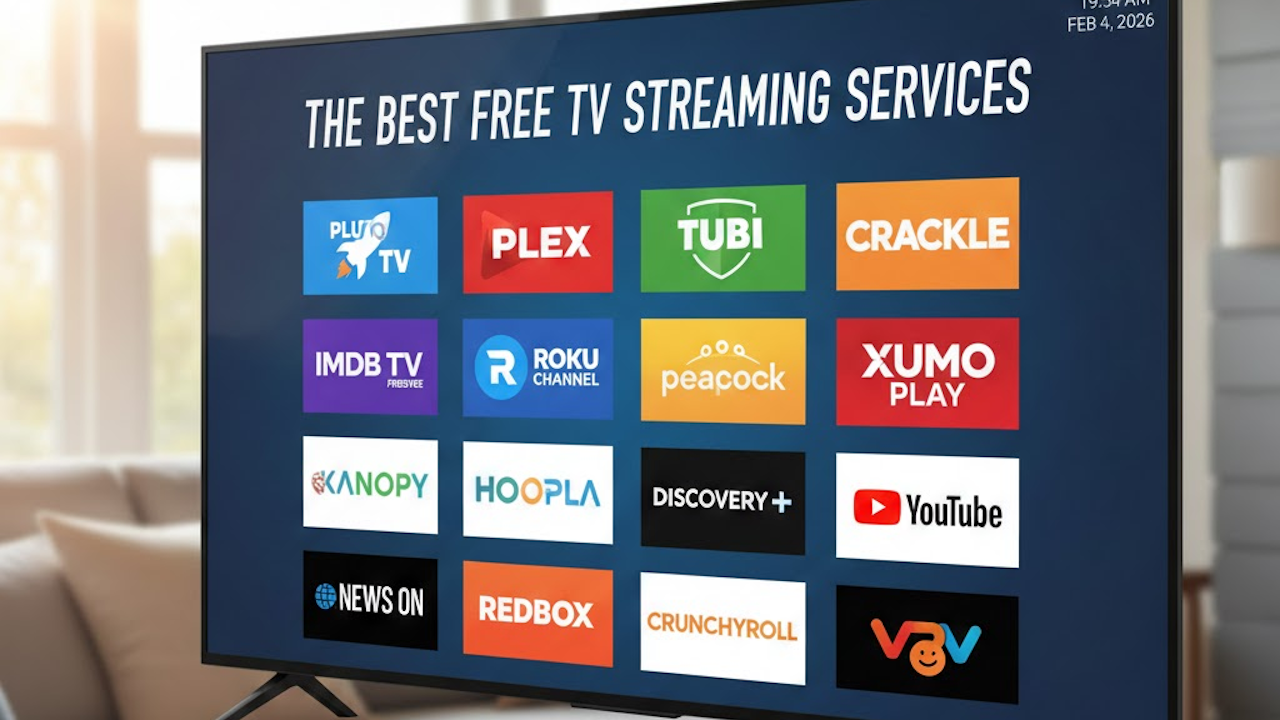
Free TV streaming services have gained significant traction in recent years, reshaping the landscape of television consumption. Unlike traditional cable TV or subscription-based platforms, these services allow users to access a variety of content without incurring monthly fees. This shift to free streaming solutions can be attributed to the rising costs associated with conventional cable services, which have prompted viewers to seek more economical alternatives.
One of the primary advantages of free TV streaming services is their cost-effectiveness. By offering a range of programming at no cost, these platforms have made content accessible to a wider audience, including those who may struggle with the expense of cable subscriptions. Users can enjoy a mix of genres, including movies, TV shows, and documentaries, appealing to diverse tastes without financial commitment. Additionally, these services often provide easier access to specific local channels or content types that may not be available on more extensive paid platforms.
The technology underpinning free TV streaming services is designed to maximize user experience. Many platforms utilize advanced algorithms to personalize content recommendations, thus enhancing viewer engagement. Moreover, the widespread availability of smart devices means that users can easily stream their favorite programs on televisions, smartphones, or tablets, tailoring the experience to their preferences.
As free TV streaming services continue to evolve, they are required to balance advertising revenues and user satisfaction. While some services rely on ads to support their operation, this can enhance the variety of content available. Overall, the growing popularity of these platforms underscores a significant cultural shift toward on-demand viewing, with an emphasis on accessibility, affordability, and innovation.
Top Free TV Streaming Services Reviewed
In the realm of free TV streaming services, several platforms have emerged as leaders, each offering unique features that cater to diverse audiences. Here, we will explore some top contenders such as Tubi, Crackle, and Pluto TV, highlighting their distinctive merits and drawbacks.
Tubi stands out for its extensive library, featuring a wide variety of movies and TV shows across several genres, including action, comedy, and documentaries. With no subscription fees required, Tubi allows users to watch content with minimal interruption from advertisements. The user interface is intuitive, making navigation easy for viewers of all ages. However, one notable downside is that not all content is available in high-definition, which may affect the viewing experience for some users.
Crackle, a service backed by Sony, similarly provides an array of films and original programming. Its notable offering includes exclusive content that is not available on most other platforms. Crackle is free but does come with occasional commercials. Users point out that its interface may feel slightly outdated compared to its peers, which might hinder user experience. Nonetheless, the variety of content keeps viewers engaged.
Pluto TV differentiates itself by offering a cable-like experience with live TV channels in addition to on-demand content. This service features numerous channels covering news, sports, entertainment, and lifestyle, giving users the flexibility of both live and binge-watching capabilities. While the channel selection is impressive, Pluto TV has a reputation for being ad-heavy, which can detract from the overall viewing pleasure.
In conclusion, each of these free TV streaming services presents unique opportunities for viewers. By assessing individual preferences regarding content type, user experience, and tolerance for advertisements, users can make informed choices about which service best suits their viewing habits.
How to Access Free TV Streaming Services
Accessing free TV streaming services has become increasingly easy, thanks to the variety of devices available today. One can utilize smartphones, tablets, smart TVs, and computers to stream content effortlessly. Depending on the type of service you wish to access, the setup and steps involved may vary. Most services feature user-friendly interfaces, enabling viewers to browse through content selections with ease.
To begin, the first step involves selecting a device. For mobile streaming, smartphones and tablets are highly convenient as they support nearly all streaming applications. Alternatively, smart TVs come pre-installed with several streaming apps, allowing direct access to free TV shows and movies. For users preferring a larger screen experience, connecting a laptop or desktop computer to a television can also be a practical solution.
After choosing a device, the next step is to download the necessary streaming applications or access websites directly through web browsers. Many free streaming services require users to create an account, which generally involves providing basic information and perhaps opting into promotional communications. Once set up, ensure you explore the preferences and settings, as these can enhance your viewing experience.
It is essential to address common pitfalls that may arise, such as geo-restrictions and intrusive advertisements. Some free TV streaming services may be limited by geographic location, which can be bypassed using Virtual Private Network (VPN) software that disguises your IP address to appear as if you are in a different region. Additionally, to enhance your viewing experience, consider enabling ad-blockers, though this may not always be effective on certain platforms. Ultimately, by following these guidelines, accessing free TV streaming services can be an enjoyable and seamless process.
The Future of Free TV Streaming Services
As we look toward the future, free TV streaming services are poised for significant evolution, driven by several key trends in content offerings, technology, and market dynamics. The projected growth of these platforms signifies a profound shift in consumer behavior and media consumption, where viewers increasingly seek accessible, no-cost alternatives to traditional cable subscriptions.
One of the foremost trends is the enhancement of content libraries on free platforms. Providers recognize that in order to compete with paid services, a diverse range of high-quality programming is essential. Consequently, many services are investing in exclusive partnerships to feature original content, as well as acquiring popular films and series that appeal to a broad audience. This competitive atmosphere not only raises the bar for content quality but also encourages innovation in programming formats.
Technological advancements play a crucial role in shaping user experiences on free TV streaming services. Enhanced algorithms for content recommendation, superior streaming quality, and user-friendly interfaces can attract and retain viewers. Additionally, the proliferation of smart devices and increased internet accessibility amplifies the reach of free TV services, enabling more users to transition from traditional cable to streaming.
The increasing competition is likely to reshape the traditional cable model, forcing providers to adapt or risk obsolescence. Moreover, as free streaming services evolve, so too will advertising strategies. Brands are adapting to this new landscape by focusing on targeted ad placements, ensuring they reach specific audiences effectively while maximizing ROI.
Ultimately, as viewer preferences continue to change, the implications for both free TV streaming services and their consumers are profound. With the potential for significant market transformation, staying attuned to emerging trends in content, technology, and advertising will be vital for users and providers alike in navigating this dynamic space.