

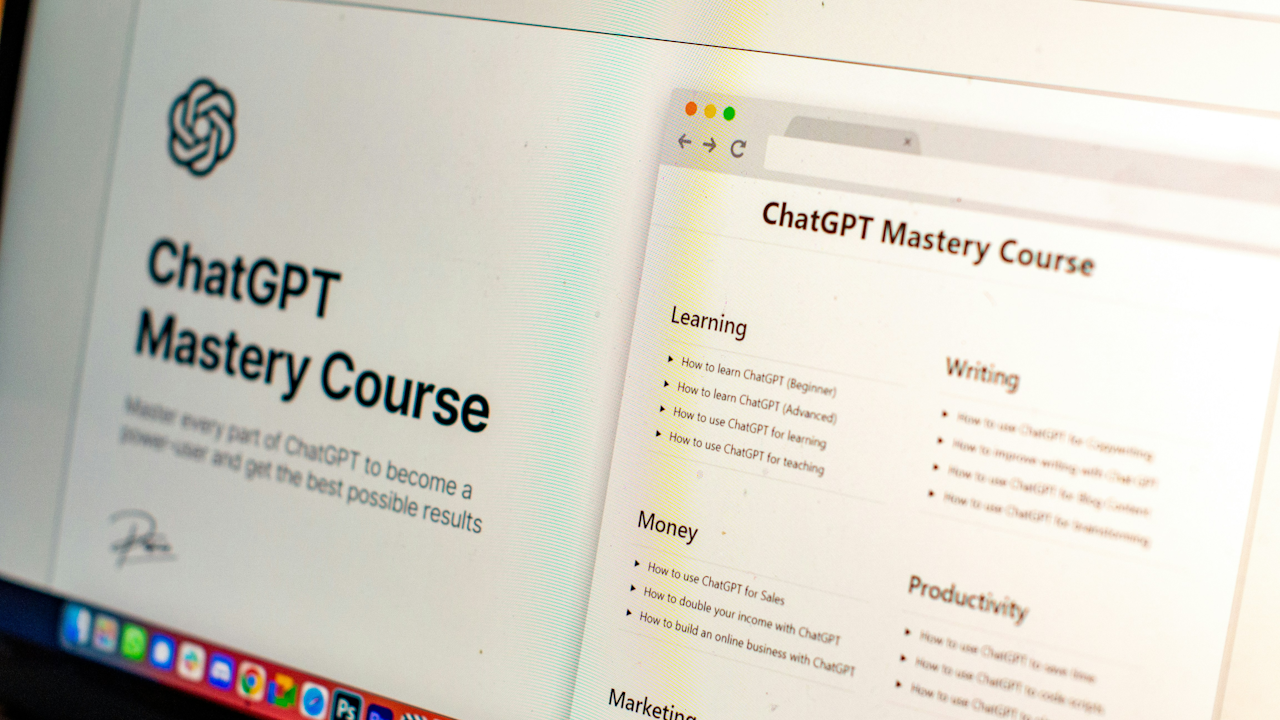
In a job market that evolves rapidly with new technologies and shifting demands, continuous skill development has become essential for professional growth. Free online courses provide an accessible pathway for anyone to acquire high-demand abilities without incurring tuition costs or disrupting daily routines. Whether you aim to switch careers, secure a promotion, or simply stay competitive, these programs deliver structured learning from respected institutions and companies. Platforms such as Coursera, edX, freeCodeCamp, HubSpot Academy, and Google offer content that ranges from foundational concepts to job-ready certifications. Many allow you to audit materials at no charge, while others provide fully free certificates upon completion. Employers increasingly recognize these credentials, especially when paired with practical projects or portfolios. This article explores the top free options across key categories, drawing from current recommendations in 2026, and explains how each can directly enhance your resume and career prospects.
Before diving into specific courses, consider the broader advantages. These programs offer flexibility, letting you learn at your own pace from anywhere with an internet connection. They often include hands-on assignments, quizzes, and real-world applications that build confidence and demonstrable experience. Completing them signals initiative and a commitment to growth, qualities that hiring managers value. Many graduates report landing new roles, negotiating raises, or transitioning into higher-paying fields. For instance, entry-level positions in data analysis or IT support frequently list relevant certificates as preferred qualifications. The key lies in choosing courses aligned with your goals and applying the knowledge immediately through side projects or workplace improvements.
Programming and Web Development Courses
Programming skills remain among the most sought-after for career advancement, opening doors to roles in software development, web design, and automation. Beginners and intermediates alike benefit from structured paths that emphasize problem-solving and portfolio building.
One standout option is CS50s Introduction to Computer Science, offered by Harvard University through edX. This rigorous, self-paced course spans about 12 weeks with 10 to 20 hours of weekly commitment. It covers core concepts using languages such as C, Python, SQL, HTML, and CSS, while exploring algorithms, data structures, and web development fundamentals. Lectures feature engaging presentations and challenging problem sets that mirror university-level standards. Career-wise, it equips learners with a strong foundation that translates to entry-level developer positions or further specialization. Many professionals use it to pivot into tech after completing the program and building sample projects.
Another highly effective choice comes from freeCodeCamp, a nonprofit platform that provides completely free certifications with no paywalls. Its Responsive Web Design certification, for example, requires around 300 hours of project-based work on HTML, CSS, and JavaScript. Learners create real websites and contribute to open-source projects, resulting in a professional portfolio that demonstrates tangible skills. The curriculum extends to JavaScript algorithms, front-end libraries like React, and back-end development with Node.js. Thousands of graduates have secured developer jobs thanks to this hands-on approach and supportive community forums. The platform also offers paths in data analysis and machine learning, making it versatile for career switchers seeking immediate applicability.
For those starting from zero, Python for Everybody from the University of Michigan on Coursera stands out. This specialization takes roughly eight months at three hours per week and progresses from basic syntax to data structures, databases, and web applications. It includes practical exercises that teach you to build useful programs, appealing to complete novices. Auditing the content is free, and the accessible teaching style has attracted over a million enrollments. Completing it positions you for roles involving scripting, data processing, or automation, skills that boost efficiency in nearly any industry.
Data Science and Analytics Courses
Data-driven decision-making powers modern businesses, and free courses in this area can fast-track you into analyst or scientist positions with strong salary potential.
The Google Data Analytics Professional Certificate on Coursera requires about six months at 10 hours per week and covers data cleaning, analysis, visualization, and tools including Excel, SQL, R, and Tableau. It culminates in a capstone project that simulates real workplace scenarios. Designed specifically for entry-level roles, it prepares you for jobs such as junior data analyst, where median salaries often exceed entry-level averages. You can access all materials by auditing or apply for financial aid to obtain the official certificate at no cost. Many graduates highlight how the program directly led to interviews and offers because of its alignment with employer needs.
Complementing this is the IBM Data Science Professional Certificate, also on Coursera. Over six months at five hours per week, it teaches Python, SQL, data visualization, and introductory machine learning through hands-on Jupyter Notebook projects. The curriculum emphasizes industry-standard tools and includes peer-reviewed assignments that build a portfolio. Auditing keeps the learning free, and the IBM branding adds credibility on resumes. Professionals in marketing, finance, or operations frequently use this to transition into analytics roles, gaining the ability to turn raw data into actionable insights.
Harvard offers a shorter but impactful option with Data Science: R Basics on edX. Lasting eight weeks at one to two hours per week, it focuses on R programming for statistical analysis and visualization. The practical emphasis on reproducible research makes it ideal for those already familiar with basics but seeking specialized tools. It serves as a stepping stone to advanced data roles and demonstrates analytical thinking that employers reward in promotions.
Artificial Intelligence and Machine Learning Courses
With AI transforming industries, foundational knowledge in this field provides a competitive edge across tech, business, and creative sectors.
AI For Everyone from DeepLearning.AI on Coursera delivers a non-technical overview in just four weeks at three hours per week. It explains AI capabilities, limitations, and business applications without requiring coding experience. Learners gain clarity on how to integrate AI tools into workflows, making it perfect for managers or professionals in any field. Auditing is free, and the course demystifies emerging technologies, helping participants discuss AI strategies confidently in interviews or team meetings.
For deeper technical skills, the Machine Learning Specialization by Stanford and DeepLearning.AI on Coursera spans two months at 10 hours per week. It covers supervised and unsupervised learning, neural networks, and Python implementation with practical model-building exercises. Prerequisites include basic programming and math, but the step-by-step guidance makes it approachable. Many who complete it report stronger candidacy for AI-related roles or internal projects that lead to advancement. The content remains updated for current practices, ensuring relevance in 2026 job markets.
Google also provides the AI Essentials program through its platforms, focusing on generative AI fundamentals and hands-on tool usage for tasks like content creation and data analysis. Short and flexible, it helps professionals accelerate daily work and stand out when applying for positions that value AI fluency.
Digital Marketing Courses
Digital marketing expertise drives customer engagement and revenue growth, with free certifications offering quick wins for roles in advertising, content, and e-commerce.
HubSpot Academy delivers several fully free certifications, including Inbound Marketing and Social Media Marketing. Each takes just a few hours and covers strategies for blogging, SEO, content creation, conversion optimization, and social promotion. Upon finishing, you receive a shareable certificate and LinkedIn badge. These programs teach practical tactics that apply immediately to freelance work or current jobs, boosting visibility and results. Professionals often add them to resumes to demonstrate up-to-date digital skills that employers seek in marketing coordinators or specialists.
Google Fundamentals of Digital Marketing through Digital Garage provides a comprehensive 26-module program with practical exercises on SEO, social media, email marketing, analytics, and e-commerce. It ends with a final exam and certificate. Self-paced and entirely free, it equips learners with broad channel knowledge that supports career moves into digital strategist positions. The Google branding carries weight and often appears in job descriptions for entry-level marketing roles.
Project Management and Business Skills Courses
Strong project oversight and strategic thinking accelerate promotions into leadership positions.
The Google Project Management Professional Certificate on Coursera lasts three to six months at under 10 hours per week. It builds skills in planning, execution, stakeholder management, and tools like spreadsheets and Agile methods through real-world scenarios. No prior experience is needed, and financial aid options make the certificate accessible. Graduates frequently land roles as project coordinators, with reported outcomes including new jobs or raises within months. The program includes access to career resources like interview preparation.
For business strategy, the University of Virginia Darden School offers Business Strategy on Coursera. This five-month specialization at three hours per week uses case studies to teach competitive analysis, business models, and leadership. Auditing keeps it free, and the insights help mid-level professionals contribute more strategically, often leading to expanded responsibilities or executive-track opportunities.
IT Support and Cybersecurity Courses
Technology infrastructure roles offer stability and growth, with free training pathways leading to certified positions.
The Google IT Support Professional Certificate prepares learners for entry-level help-desk jobs over six months. Topics include troubleshooting, networking, operating systems, and security fundamentals. Practical labs and simulations build confidence, and many complete it faster than the suggested pace. Financial aid covers the certificate fee for qualifying participants. It has helped thousands transition into IT careers with solid starting salaries.
Similarly, the Google Cybersecurity Professional Certificate addresses growing demand for security professionals. It covers threat detection, Python scripting for automation, and compliance practices. The hands-on focus prepares you for analyst roles while remaining fully accessible via audit or aid.
Soft Skills and Career Development Courses
Technical abilities pair best with strong communication and personal effectiveness.
English for Career Development from the University of Pennsylvania on Coursera focuses on professional writing, interviewing, networking, and vocabulary over five weeks. Designed for non-native speakers but useful broadly, it improves workplace interactions and job application materials. Free auditing makes it an easy addition that enhances every other skill you acquire.
The Science of Well-Being from Yale explores happiness, habit formation, and productivity habits. Short and evidence-based, it helps reduce burnout and increase focus, indirectly boosting career performance and satisfaction. Many participants report better work-life balance after applying the techniques.
How to Maximize the Benefits of These Courses
To turn learning into real career progress, treat each course like a professional commitment. Set a consistent schedule, take detailed notes, and complete all assignments. Build a portfolio or GitHub repository showcasing projects, then update your LinkedIn profile with certificates and new skills. Join online communities for the courses to network and seek feedback. Apply concepts immediately, whether by volunteering for data projects at work or freelancing on platforms like Upwork. Track your progress and reflect on how new abilities solve specific problems in your field. Finally, pursue financial aid where available for certificates, as even small investments in credentials can yield significant returns.
In conclusion, free online courses represent one of the most powerful tools for career advancement today. By investing time in programs from Harvard, Google, freeCodeCamp, and others, you gain not only knowledge but also the confidence and credentials to pursue bigger opportunities. Start with one course that matches your immediate goals, stay disciplined, and watch your professional path expand. The resources exist, the barriers are low, and the potential rewards are substantial. Your next level awaits through consistent, targeted learning.