

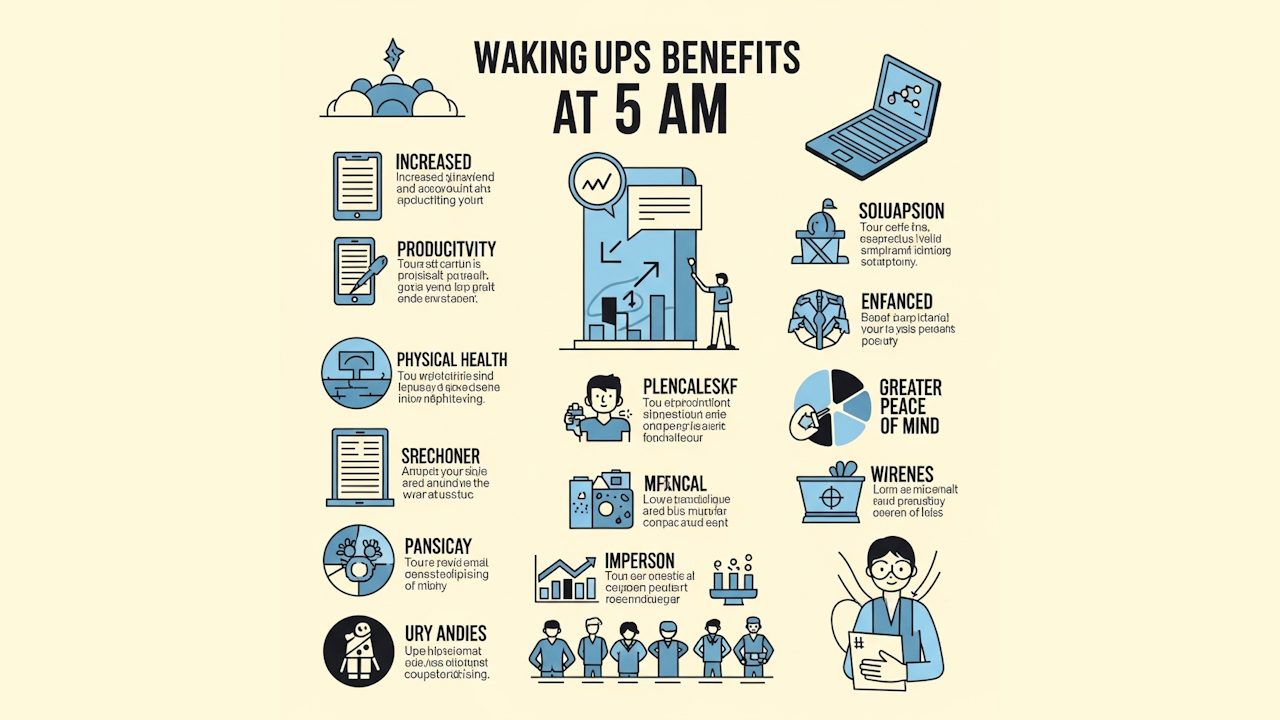
Waking up at 5 AM has become a popular habit among high achievers, entrepreneurs, athletes, and people seeking greater control over their lives. While the idea of rising before dawn may sound daunting to night owls, adopting this early morning routine can transform physical health, mental clarity, productivity, and overall well-being. This article explores the many advantages of waking up at 5 AM, backed by practical insights and real-world observations from those who have made the change.
One of the most immediate benefits is the gift of uninterrupted time. Early mornings offer a period of quiet before the world wakes up. Phones are silent, emails have not started flooding in, and family or roommates are still asleep. This creates a sacred window for focused work, reflection, or personal projects. Many successful individuals credit their 5 AM starts with allowing them to tackle the most important tasks of the day when their willpower and energy are at their peak. Without distractions, it becomes easier to enter a state of deep work, leading to higher quality output in less time.
Productivity gains are among the most cited reasons for adopting an early rise. Research on circadian rhythms shows that human alertness often peaks in the morning hours for many people. By waking at 5 AM, individuals align their most demanding cognitive tasks with their natural energy cycles. This alignment can result in completing complex projects before others have even begun their day. Entrepreneurs, writers, and students frequently report that they accomplish more in the first two or three hours after waking than they do in the entire rest of the day. The sense of achievement from early wins builds momentum and reduces procrastination later on.
Physical health improvements often follow a consistent 5 AM routine. Early risers tend to incorporate movement into their mornings, whether it is a brisk walk, yoga session, or gym workout. Exercising on an empty stomach or after light activity can enhance fat burning and metabolic efficiency. Additionally, morning sunlight exposure helps regulate the body’s internal clock, improving sleep quality at night and boosting vitamin D levels, which supports immune function and bone health. Those who wake early often find it easier to maintain consistent meal timing, avoiding late-night snacking that contributes to weight gain. Over time, these habits can lead to better cardiovascular health, increased energy levels, and a stronger immune system.
Mental and emotional well-being receive a significant boost from early mornings. The quiet hours provide space for mindfulness practices such as meditation, journaling, or simply sitting with a cup of coffee in peace. Starting the day with gratitude or goal-setting can shift mindset from reactive to proactive. Many people describe feeling calmer and more centered throughout the day when they begin with intentional solitude. Reduced exposure to immediate stress from news, social media, or work demands allows the mind to prepare for challenges rather than being thrown into them. This mental buffer can lower anxiety levels and improve emotional resilience.
Improved sleep quality is another key advantage. Contrary to the belief that early risers sacrifice rest, waking at 5 AM often encourages earlier bedtimes. When individuals commit to a consistent schedule, their bodies adjust to fall asleep faster and enter deeper sleep cycles. Aligning sleep with natural light-dark cycles, rather than artificial screens late at night, supports the production of melatonin and cortisol in healthy patterns. Better sleep translates into sharper focus, better mood regulation, and enhanced memory consolidation. Over weeks and months, this creates a positive feedback loop where energy during the day increases and the need for afternoon naps or caffeine crashes diminishes.
Discipline and self-mastery develop naturally from the habit of waking at 5 AM. Getting out of bed when the alarm sounds, especially in the darker winter months, requires overcoming the temptation to snooze. This daily act of willpower strengthens overall self-control, which spills over into other areas of life such as diet, exercise, and work ethic. Psychologists often note that small, consistent wins in one domain build confidence and momentum for larger goals. People who master the 5 AM rise frequently report improvements in time management, reduced impulsivity, and a greater sense of personal agency.
Enhanced creativity and problem-solving abilities emerge for many early risers. The brain, after a full night of rest, operates with greater cognitive flexibility in the morning. Without the mental clutter accumulated during a busy day, fresh ideas surface more readily. Writers, artists, and innovators often find that their best insights come during early hours when the mind is uncluttered. This phenomenon aligns with studies on decision fatigue, which suggest that willpower and creative resources are highest after sleep and decline as the day progresses.
Better work-life balance becomes possible with a 5 AM start. By front-loading productive hours, individuals free up evenings for family, hobbies, or relaxation. Instead of rushing through mornings or feeling guilty about unfinished tasks, early risers can end their workday earlier or with a clearer conscience. Parents report more quality time with children in the evenings, while professionals find they have energy left for social connections rather than collapsing on the couch after a long day. This balance reduces burnout and increases overall life satisfaction.
Connection with nature deepens for those who rise early. Dawn brings a unique beauty, from the soft light of sunrise to the sounds of birds beginning their day. Morning walks or runs allow people to experience parks, trails, or neighborhoods in a peaceful state before traffic and crowds arrive. This connection to natural rhythms can foster a sense of awe and gratitude, contributing to psychological well-being. In urban settings, early hours provide rare moments of stillness that contrast with the usual hustle.
Long-term career and personal growth accelerate with this habit. Many leaders and high performers, from CEOs to Olympic athletes, attribute part of their success to early morning routines. The extra hours accumulated over years compound into significant advantages. Whether it is learning a new skill, reading extensively, or strategizing business moves, the consistent early time investment yields results that late starters may struggle to match. The habit also cultivates patience and persistence, qualities essential for sustained achievement.
Social and relational benefits should not be overlooked. While waking at 5 AM might initially seem isolating, it often leads to stronger relationships. With more accomplished during the day, individuals become more present during interactions with others. Reduced fatigue means better listening, empathy, and engagement. Some early risers join morning groups for running, meditation, or networking, expanding their social circles with like-minded, disciplined people. Families benefit when one member models healthy routines, inspiring others to adopt similar practices over time.
Potential challenges exist when transitioning to a 5 AM wake-up time, but they are manageable with gradual adjustment. Starting by shifting bedtime and alarm earlier by 15 minutes every few days prevents shock to the system. Creating a consistent evening wind-down routine, including dim lights and reduced screen time, supports the transition. Once established, the benefits far outweigh the initial discomfort for most people.
Scientific perspectives support many of these observations. Chronobiology research indicates that aligning daily activities with circadian rhythms optimizes hormone levels, including cortisol for alertness in the morning and melatonin for rest at night. Studies on successful individuals often reveal consistent early rising patterns. While genetic differences mean not everyone is a natural morning person, evidence suggests that consistent habits can shift chronotypes to some degree through repeated exposure to morning light and structured routines.
Practical tips for adopting the 5 AM habit include preparing the night before by laying out clothes, planning the first task, and ensuring the bedroom environment supports sleep. Using an alarm clock placed across the room forces movement upon waking. Hydrating immediately after rising and exposing oneself to bright light helps signal wakefulness to the body. Tracking progress in a journal can reinforce commitment and highlight improvements over time.
Waking up at 5 AM is not merely about adding hours to the day but about enhancing the quality of those hours. It fosters intentional living, where choices are made with clarity rather than haste. For those willing to embrace the discipline, the rewards extend across every dimension of life, from sharper minds and stronger bodies to deeper relationships and greater fulfillment.
In conclusion, the benefits of waking up at 5 AM create a powerful foundation for personal excellence. While it requires commitment and adjustment, the transformation in productivity, health, mindset, and balance makes it a worthwhile pursuit. Whether the goal is professional success, improved well-being, or simply feeling more in control, rising early offers a proven pathway to unlock human potential. Those who adopt this habit often describe it as one of the most impactful changes they have ever made, leading to a life lived with greater purpose and energy.