

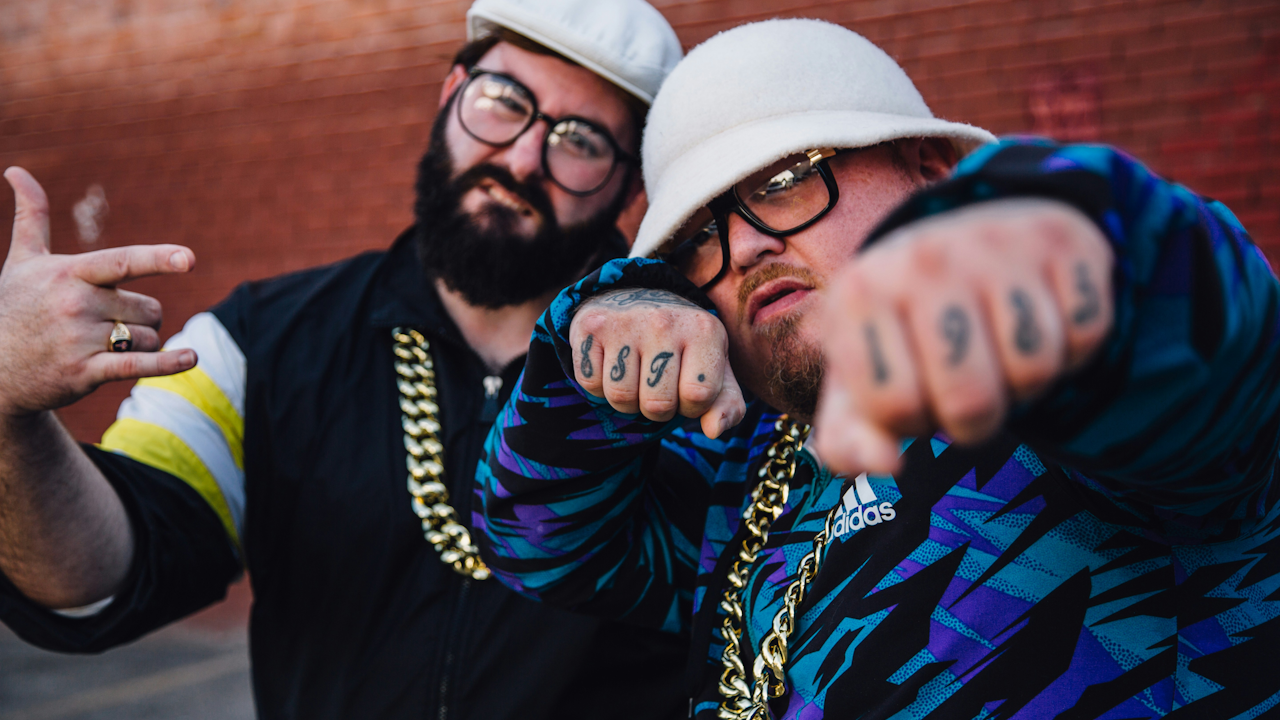
Streetwear has evolved from a niche underground movement into one of the most influential forces in global fashion. At its core, streetwear represents more than clothing. It embodies attitude, community, and cultural rebellion. Born from skateboarding ramps, hip-hop block parties, graffiti-covered walls, and surf breaks, it prizes authenticity, limited drops, and a DIY ethos. Yet its greatest commercial and creative power emerges through collaborations. When established luxury brands, sportswear giants, and independent labels partner with subcultures, the results reshape trends, challenge hierarchies, and create cultural moments that extend far beyond the runway or retail shelf.
These partnerships succeed because they bridge worlds. A heritage fashion house gains relevance among younger consumers. A streetwear label accesses broader distribution and prestige. Subcultures inject fresh narratives, visual languages, and values into mainstream products. The tension and synergy in these meetings often produce items that become instant collectibles, symbols of cultural capital, and drivers of resale markets worth billions.
The Roots of Streetwear and the Rise of Collaborations
Streetwear traces its origins to the 1970s and 1980s in New York, Los Angeles, and Tokyo. In New York, hip-hop pioneers customized tracksuits and sneakers. In Los Angeles, skateboarders developed functional, graphic-heavy apparel that rejected mainstream sportswear. In Japan, brands like BAPE (A Bathing Ape) and Undercover fused American street influences with meticulous Japanese craftsmanship, creating a distinct Harajuku style.
Early collaborations were informal. Skate brands like Stussy and Vision Street Wear swapped graphics with local artists. Hip-hop artists wore custom pieces from labels like Cross Colours or FUBU. The modern era of high-profile collaborations arguably began in the late 1990s and early 2000s when luxury houses noticed the cultural heat radiating from street culture.
Nike played a pivotal early role. Its partnerships with athletes and artists blurred lines between performance and lifestyle. By the mid-2000s, Nike’s collaborations with Japanese brands such as BAPE and concepts like the Nike Dunk Low series turned sneakers into cultural artifacts. These drops created lines outside stores and established the “hype” model that now dominates release calendars.
Supreme, founded in 1994 in New York, became the archetype of streetwear collaboration. Its box logo and red-and-white aesthetic served as a blank canvas. Supreme’s strategy involved frequent, limited drops with unexpected partners. A Supreme x Louis Vuitton collaboration in 2017 marked a watershed moment. The collection featured monogram patterns reimagined with Supreme’s bold branding on items ranging from trunks to skate decks. Critics debated whether it represented the corruption of luxury or the elevation of streetwear. Consumers voted with their wallets. Pieces resold for multiples of retail prices, proving the financial viability of such unions.
Subcultures as Creative Fuel
Streetwear collaborations thrive by channeling specific subcultures. Each brings distinct aesthetics, values, and histories.
Skateboarding remains foundational. Brands like Palace, Baker Skateboards, and Girl Skateboards collaborate with fashion houses to maintain credibility. Palace’s partnerships with Adidas and Ralph Lauren infused British skate humor and graphics into mainstream lines. These drops often include functional details such as reinforced pants and impact-resistant fabrics that respect the demands of actual skating while appealing to fashion audiences.
Hip-Hop influences collaborations through music, storytelling, and social commentary. Adidas’s long-running relationship with Run-DMC in the 1980s set a precedent. More recently, partnerships like those involving Travis Scott or Kendrick Lamar with Nike’s Jordan Brand embed lyrical references, tour imagery, and personal narratives into designs. Kanye West’s Yeezy line with Adidas, though controversial and ultimately ended, demonstrated how a single artist’s vision could dominate streetwear conversations for years. The foam runners and 350 Boost sneakers became uniform for a generation.
Graffiti and Art subcultures add visual rebellion. Brands commission artists like Futura 2000, KAWS, or Jean-Michel Basquiat estates for limited editions. Supreme has collaborated with artists ranging from Damien Hirst to Nan Goldin. These pieces transform clothing into wearable canvases, appealing to collectors who view garments as art investments.
Japanese Street Fashion offers precision and innovation. BAPE’s shark hoodies and camo patterns have appeared in collaborations with Adidas, Puma, and even Marvel. Undercover’s founder Jun Takahashi brings avant-garde tailoring to partnerships with Nike and Fragment Design. These East-West fusions often emphasize quality materials and attention to detail that elevate casual silhouettes.
Punk and Alternative Scenes inject anti-establishment energy. Vetements, under Demna (now at Balenciaga), drew heavily from punk and rave aesthetics. Collaborations with brands like Chrome Hearts or independent punk labels bring studs, leather, and distressed finishes into luxury contexts. Gothic and cyberpunk influences appear in techwear brands like ACRONYM or Nike’s ACG line, which merge functionality with dystopian visuals.
Surf and Beach Cultures contribute relaxed silhouettes and tropical graphics. Brands like Stussy and Obey have long roots here. More recent examples include collaborations between surf legends and labels like Gucci or The North Face, blending boardshorts with high-fashion tailoring.
Emerging Subcultures continue to expand the field. The rise of “cottagecore,” “gorpcore” (outdoor performance wear), and digital communities on platforms like TikTok and Discord has spawned fresh partnerships. Balenciaga’s embrace of meme culture and gaming aesthetics in collaborations with Fortnite or The Simpsons illustrates how internet-native subcultures now drive innovation.
Business and Cultural Impact
Collaborations generate significant revenue. The global streetwear market exceeds tens of billions of dollars annually. Limited drops create scarcity, fueling resale platforms like StockX and GOAT. A single hyped release can generate more media impressions than traditional advertising campaigns.
For luxury brands facing declining interest from younger demographics, streetwear partnerships provide relevance. Louis Vuitton’s work with Supreme, Virgil Abloh’s Off-White x Louis Vuitton, and subsequent collections under Abloh’s creative direction at the house transformed perceptions. Similarly, Gucci under Alessandro Michele and later successors leaned into eclectic collaborations with artists and subcultures to maintain its provocative image.
Sportswear giants benefit too. Nike, Adidas, and Puma treat collaborations as innovation laboratories. They test new materials, colorways, and marketing approaches before wider rollout. The Yeezy saga, despite its end, accelerated Adidas’s focus on lifestyle over pure performance.
Independent streetwear brands gain scale. A collaboration with a major partner can fund expansion, improve manufacturing, and build brand equity. However, risks exist. Over-collaboration can dilute authenticity. Consumers quickly detect inauthentic efforts, leading to backlash on social media.
Culturally, these partnerships democratize fashion. They blur lines between high and low, challenging traditional gatekeepers. A teenager in a small town can participate in global culture through a Supreme box logo or a Travis Scott x Nike sneaker. They also spark conversations about appropriation versus appreciation. When a luxury brand borrows from Black, Latino, or Asian subcultures, questions arise about credit, compensation, and power dynamics.
Notable Case Studies
The Supreme x Louis Vuitton collaboration remains legendary. Beyond the products, it signaled fashion’s shifting center of gravity toward street influences. Virgil Abloh’s Off-White label excelled at “quote marks” aesthetics and industrial design references. His work with Nike on the “The Ten” collection deconstructed classic silhouettes, adding zip ties and text that became instantly recognizable.
BAPE x Adidas collections repeatedly sold out, merging Japanese street style with German engineering. The Human Race series by Pharrell Williams with Adidas highlighted sustainability and community themes.
More recent examples include Travis Scott’s Cactus Jack imprint with Nike and McDonald’s, extending streetwear into fast food and experiences. New Balance has gained traction through thoughtful collaborations with creators like Salehe Bembury, focusing on premium materials and unique color palettes that appeal to both athletes and fashion enthusiasts.
Stone Island and CP Company, Italian brands rooted in military and technical fabrics, collaborate with streetwear labels to emphasize functionality. Their garments with removable linings and badge systems appeal to techwear enthusiasts who value utility.
Dover Street Market, founded by Comme des Garçons, serves as a physical and conceptual hub for these meetings. Its multi-brand stores curate unexpected juxtapositions that inspire future collaborations.
Challenges and Criticisms
Not all collaborations succeed. Some feel forced, leading to poor sales and damaged reputations. Sustainability concerns grow as fast hype cycles encourage overproduction and consumption. Resale markets create barriers for genuine fans who cannot afford inflated prices.
Cultural appropriation debates persist. Streetwear originated in marginalized communities. When billion-dollar corporations extract aesthetics without meaningful engagement, criticism follows. Successful partnerships often involve co-creation, fair compensation, and long-term relationships rather than one-off extractions.
Intellectual property issues arise with frequent use of artist graphics, music references, and subcultural symbols. Legal disputes occasionally surface, highlighting the need for clear agreements.
The Future of Streetwear Collaborations
Looking ahead, several trends emerge. Digital fashion and NFTs allow virtual collaborations that transcend physical limits. Brands experiment with metaverse drops and customizable digital wearables. Artificial intelligence may generate new patterns or predict trending aesthetics, though human creativity from subcultures will likely remain central.
Sustainability will shape partnerships. Collaborations focused on recycled materials, ethical production, and circular economy models gain favor. Brands like Patagonia, with its outdoor roots, partner with streetwear labels on eco-conscious collections.
Globalization continues. African streetwear scenes, Korean hip-hop influences, and Latin American urban styles will inspire more cross-cultural projects. Subcultures evolve rapidly through social media. Brands must move quickly to engage authentic voices rather than chasing trends superficially.
Phygital experiences will blend online hype with in-person events. Pop-up shops, activation parties, and community workshops turn product launches into cultural happenings.
Conclusion
Streetwear collaborations represent more than clever marketing. They embody the dynamic conversation between commerce and culture. When brands meet subcultures with respect, curiosity, and creativity, the results enrich fashion and society. These partnerships have dismantled old hierarchies, elevated marginalized voices at times, and created objects that carry personal and collective meaning.
The most successful examples honor origins while pushing boundaries. They recognize that streetwear’s power lies not in exclusivity alone but in its ability to connect people across backgrounds through shared visual language and values. As fashion continues evolving, collaborations will remain essential vehicles for innovation, relevance, and cultural resonance. The next iconic drop could come from an unexpected meeting between a centuries-old atelier and a bedroom producer on a new social platform. In that unpredictability lies the enduring excitement of streetwear.