

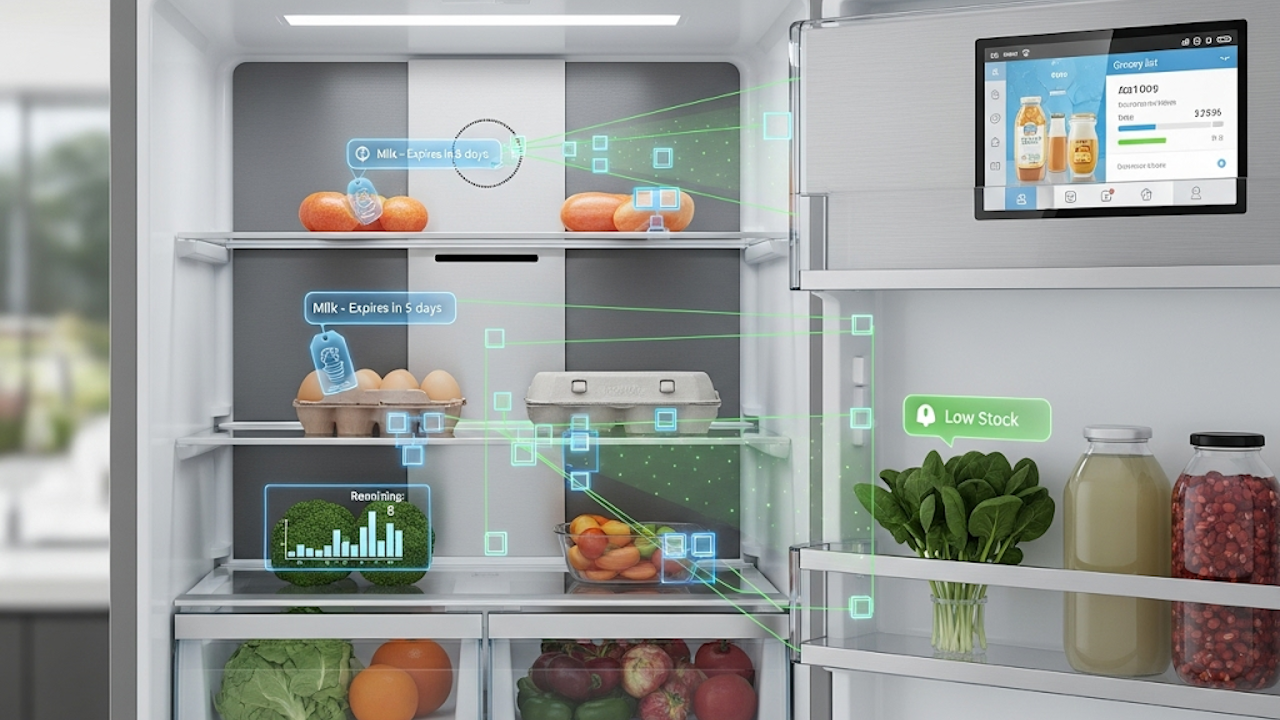
Smart fridges represent one of the most practical applications of modern technology in the home. These connected refrigerators go far beyond cooling food. They actively monitor inventory, suggest meals, and help manage grocery needs with minimal human effort. As households seek ways to reduce food waste and streamline daily routines, smart fridges have become central to the connected kitchen.
The Rise of Smart Refrigerators
Traditional refrigerators kept food cold. Smart versions add layers of digital intelligence. Early models in the 2010s introduced basic connectivity, such as Wi-Fi for weather updates or calendars on external screens. Today’s models use artificial intelligence, cameras, and sensors to create a dynamic inventory system.
Samsung’s Family Hub line and LG’s InstaView models stand out as leaders. Other brands like Haier also offer advanced tracking. These appliances integrate with smartphone apps, voice assistants, and delivery services. They turn the fridge into an active participant in household management rather than a passive storage unit.
How Smart Fridges Track Groceries
The core technology relies on several components working together.
Internal Cameras and AI Vision
Many smart fridges place high-resolution cameras inside compartments. When the door closes, the system captures images and processes them with AI. The software identifies items by shape, color, packaging, and labels. Recent updates allow recognition of thousands of foods.
Samsung’s AI Vision Inside, enhanced with models like Google Gemini, automatically logs new items. It tracks what enters and leaves the fridge. Users view the interior remotely via phone apps without opening the door. This prevents unnecessary purchases and reduces energy loss from frequent openings.
Sensors and Weight Detection
Some systems combine cameras with weight sensors on shelves. These detect changes in quantity for items like milk jugs or produce bags. The fridge notes when levels drop and can flag low-stock situations.
Barcode and Manual Scanning
Not every item needs perfect AI recognition. Many models support barcode or QR code scanning. Users scan products as they store them. The system records names, quantities, purchase dates, and expiration information. Mobile apps or the fridge’s touchscreen make this process quick.
Expiration Tracking and Alerts
Smart fridges maintain a digital inventory list. Users or the system input expiration dates. The appliance sends notifications through apps or the screen when items near their end dates. This feature directly tackles food waste, a major issue in many households.
Cloud Connectivity and Integration
Data syncs to the cloud. This allows access from anywhere. Family members update the list collaboratively. Integration with services like Instacart or other grocery platforms enables one-tap reordering. Voice commands through built-in assistants add items to shopping lists.
Key Features in Modern Smart Fridges
Beyond basic tracking, these appliances offer comprehensive tools.
- Remote Viewing: Check contents while shopping or at work.
- Recipe Suggestions: The system analyzes available ingredients and proposes meals. Some pull community recipes or tailor suggestions to dietary preferences.
- Meal Planning: Link the fridge to ovens or other smart devices for seamless cooking workflows.
- Grocery Automation: Low-stock alerts can trigger automatic orders or simple list generation.
- Organization Tools: Categorize items by dairy, produce, or leftovers. Sort by expiration for efficient use.
- Family Coordination: Shared screens display notes, calendars, or messages alongside food info.
Samsung’s touchscreen interfaces serve as command centers. Users stream videos, browse the web, or manage smart home devices while standing in the kitchen.
Benefits for Households
Smart fridges deliver measurable advantages.
Reducing Food Waste
By tracking expiration dates and sending reminders, these appliances help families consume items before they spoil. This saves money and supports sustainability goals.
Convenience and Time Savings
No more mental checklists at the store. Remote views and synced lists eliminate duplicate purchases. Automated suggestions simplify meal decisions on busy evenings.
Health and Nutrition Support
Some systems track consumption patterns or highlight nutritional info. This encourages balanced eating and portion awareness.
Energy Efficiency
Connected monitoring detects issues like open doors or temperature fluctuations. Alerts prevent larger problems and help maintain optimal performance.
Leading Models and Brands in 2026
Samsung’s Bespoke AI Family Hub models feature large displays and advanced recognition. They integrate deeply with SmartThings ecosystems.
LG offers InstaView doors with knock-to-view capabilities alongside inventory tools. Haier emphasizes AI for preservation and adaptive storage.
Prices vary widely. Entry-level connected models start lower, while fully featured units with large screens and premium finishes reach several thousand dollars. Energy Star ratings help offset long-term costs through efficiency.
Challenges and Considerations
Despite the appeal, smart fridges face limitations.
Accuracy Issues
AI recognition works well for common items but struggles with unusual packages, homemade meals, or similar-looking produce. Users often supplement with manual entries.
Privacy Concerns
Cameras inside the fridge raise questions about data security. Manufacturers encrypt connections and offer controls, but users should review permissions carefully.
Cost and Reliability
High upfront prices deter some buyers. Occasional software glitches or the need for manual updates can frustrate users who prefer simpler appliances. Repair complexity increases with added electronics.
Learning Curve
Families must build habits around scanning or confirming AI entries. Without consistent use, the tracking features lose value.
Over-Reliance Risks
Some critics joke about “nagging” fridges or prefer traditional models. Not everyone wants their refrigerator suggesting meals or ordering groceries automatically.
The Future of Grocery Tracking
Advancements continue rapidly. Future models may incorporate better sensors for precise quantity measurement and improved AI for complex food recognition. Integration with broader smart home systems could automate more of the supply chain, from pantry tracking to waste composting suggestions.
Sustainability will drive development. Features that minimize waste and optimize energy use align with global environmental priorities. Voice and gesture controls will become more natural. Deeper personalization based on family habits could emerge.
Some concepts explore fully automated systems that reorder staples predictively while learning consumption patterns over time.
Practical Tips for Using Smart Fridges
To maximize benefits, start simple. Use the built-in cameras for quick visual checks. Combine with barcode scanning for accurate records. Update expiration dates manually for precision. Review weekly inventories to plan meals effectively.
Keep software updated for the latest recognition improvements. Involve the whole family in using shared lists and alerts. Experiment with recipe features to discover new ideas based on what you already own.
Consider your household size and habits. Large families with busy schedules gain the most from automation. Smaller households might prioritize basic remote viewing and alerts.
Conclusion
Smart fridges transform how people interact with groceries. They shift from reactive shopping and storage to proactive management. Through cameras, AI, sensors, and connectivity, these appliances track inventory in real time. They reduce waste, save time, and add convenience to daily life.
As technology matures, expect even smoother integration and higher accuracy. For now, smart fridges offer a compelling blend of traditional reliability and modern intelligence. They prove that even everyday appliances can benefit from thoughtful innovation, making kitchens smarter and households more efficient. Whether through automatic alerts or recipe inspiration, the tech behind grocery tracking delivers practical value that grows with each use.