

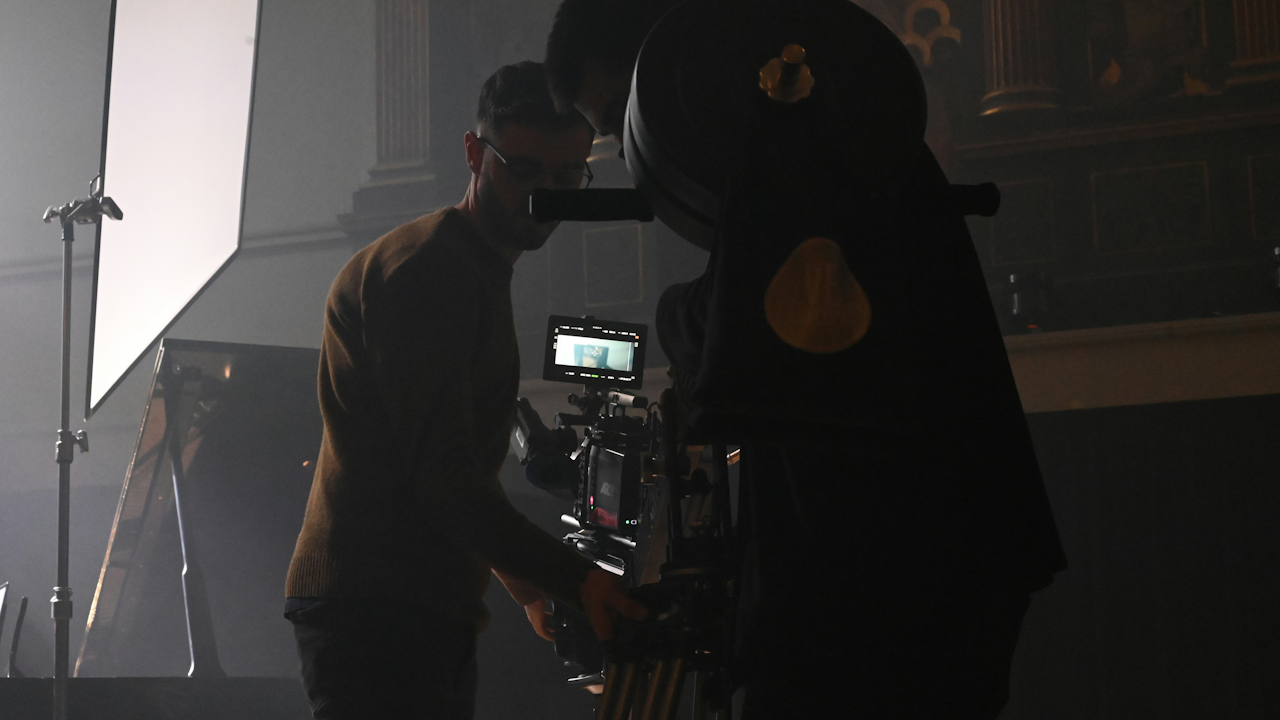
Micro-budget filmmaking represents a vibrant and accessible corner of the movie industry where creators produce compelling stories with extremely limited financial resources. Typically defined as films made for under 100,000 dollars and often far less, these projects rely on creativity, resourcefulness, and determination rather than big studio funding. In an era dominated by blockbuster franchises with budgets in the hundreds of millions, micro-budget films prove that powerful cinema can emerge from modest means. This approach has launched careers, generated substantial profits, and challenged conventional wisdom about what makes a film successful.
The appeal of micro-budget filmmaking lies in its democratic nature. Anyone with a compelling idea, basic equipment, and a committed team can participate. Advances in technology have lowered barriers dramatically. Smartphones now shoot high-quality video, free editing software abounds, and online platforms allow global distribution. Yet success demands more than cheap tools. It requires smart planning, innovative problem-solving, and a deep understanding of storytelling fundamentals.
This article explores every stage of the micro-budget process. It draws on real-world examples and practical strategies to show how filmmakers turn constraints into strengths. Whether you are an aspiring director with a laptop and a dream or a seasoned indie creator looking to refine your approach, these insights will guide you toward making impactful films without breaking the bank.
The Rise of Micro-Budget Cinema
Micro-budget filmmaking is not new, but its prominence has grown with each technological leap. In the 1960s and 1970s, independent directors like John Cassavetes used personal funds and volunteer actors to create raw, character-driven works such as “Faces” and “A Woman Under the Influence.” These films emphasized performance and realism over spectacle.
The 1990s brought the Dogme 95 movement in Denmark, which imposed strict rules like handheld cameras, natural lighting, and no props to strip away artificiality. Films like “The Celebration” emerged from this ethos and gained international acclaim.
The digital revolution accelerated everything. By the early 2000s, affordable digital cameras allowed filmmakers to shoot more footage without the expense of film stock. “The Blair Witch Project” (1999) stands as an early landmark. Made for about 60,000 dollars, it grossed over 248 million dollars worldwide by marketing itself as found footage and building viral buzz through the internet. Its success showed studios and audiences alike that low costs did not mean low quality.
Other notable examples include “Paranormal Activity” (2007), produced for around 15,000 dollars and earning nearly 200 million dollars. Robert Rodriguez made “El Mariachi” for roughly 7,000 dollars in 1992, which led to a Hollywood career. More recently, “Moonlight” (2016) had a budget under 1.5 million dollars yet won multiple Academy Awards including Best Picture. “Get Out” (2017) was made for about 4.5 million dollars and became a cultural phenomenon.
These hits demonstrate that micro-budgets can yield high returns. Return on investment often surpasses that of expensive tentpoles because the financial risk remains low while creative freedom stays high.
Pre-Production: Laying a Strong Foundation
Success in micro-budget filmmaking begins long before cameras roll. Thorough pre-production prevents costly mistakes during shooting.
Start with the script. Write a story that plays to your strengths and limitations. Avoid large ensembles, expensive locations, visual effects, and action sequences that require stunts or crowds. Focus on intimate character dramas, contained thrillers, horror, or comedies set in everyday environments. A strong script with memorable dialogue and emotional depth can carry an entire film.
Use free or low-cost screenwriting software like Celtx, WriterDuet, or even Google Docs. Test your script by organizing table reads with friends or local actors. Revise based on feedback to ensure the story works without relying on production value.
Budgeting demands honesty. List every possible expense: equipment rental, food for cast and crew, transportation, permits, and post-production costs. Many micro-budget filmmakers operate on 5,000 to 50,000 dollars total. Prioritize essentials and find ways to eliminate or reduce others. Barter services whenever possible. Offer acting roles in exchange for crew positions or locations in exchange for screen credit and a copy of the film.
Casting is crucial. Work with unknown or non-professional actors who bring authenticity. Hold open auditions through social media, local theater groups, and university drama departments. Look for performers who understand the project’s vision and are willing to work for deferred pay or equity. Building personal relationships helps secure commitment when budgets cannot offer competitive rates.
Securing locations represents another key challenge. Scout friends’ homes, public parks, abandoned buildings (with permission), or businesses willing to participate. Offer to shoot during off-hours to minimize disruption. Always obtain signed location releases to avoid legal issues later.
Assemble a minimal crew. Many micro-budget films run with five to ten people handling multiple roles. The director might also produce, the cinematographer might handle sound, and actors might assist with production design. Cross-training keeps everyone engaged and reduces payroll.
Production: Shooting Smart on Limited Resources
Principal photography in micro-budget filmmaking requires discipline and adaptability. Schedule shoots efficiently to maximize limited time and money.
Shoot in short bursts, perhaps on weekends if participants have day jobs. Create a detailed shot list and storyboard using free tools like Boords or simple sketches. Prioritize coverage that serves the story. Master shots and close-ups often suffice without elaborate camera moves.
Equipment choices have expanded dramatically. Modern smartphones like the iPhone or Google Pixel can produce cinema-quality footage when paired with affordable apps and accessories. Stabilizers, external microphones, and lenses under 200 dollars each dramatically improve results. For more control, consider used DSLR or mirrorless cameras available on secondary markets.
Lighting can be achieved naturally or with inexpensive LED panels. Embrace practical sources like household lamps, windows, and car headlights. Natural light during golden hour often looks better than artificial setups and costs nothing.
Sound quality matters more than many beginners realize. Poor audio can ruin even the best-looking footage. Invest in a decent external microphone such as a Rode VideoMic or wireless lavalier system. Record room tone and wild tracks on location for easier editing later.
Directing on set involves clear communication and respect for everyone’s time. Feed your team well within budget constraints. Pizza and snacks maintain morale without high costs. Maintain a positive atmosphere since many participants volunteer their time.
Document everything. Behind-the-scenes footage and photos can become valuable marketing assets later.
Post-Production: Polishing Without Big Spending
Post-production often consumes the most time in micro-budget projects. Editors work with whatever footage exists to craft the final story.
Free and open-source software like DaVinci Resolve offers professional-grade editing, color correction, and even visual effects capabilities. Blender provides powerful 3D tools and compositing for minimal or no cost. Audacity handles basic sound editing while Reaper offers more advanced audio production at a low price.
Focus on storytelling in the edit. Tight pacing compensates for limited coverage. Use creative transitions, sound design, and music to enhance emotions. Source royalty-free music from websites like Epidemic Sound (with subscription) or Free Music Archive. Original scores by talented friends can add uniqueness.
Color grading creates visual cohesion. Even simple adjustments in Resolve can make footage shot on different days or devices match. Sound mixing ensures dialogue remains clear and effects support the narrative.
For visual effects, keep them minimal or practical. Use practical makeup, in-camera tricks, and clever editing rather than computer-generated imagery. When CGI is necessary, free tools and online tutorials allow impressive results with patience.
Test screenings with trusted audiences provide crucial feedback. Make adjustments before finalizing the cut. Export in multiple formats suitable for festivals and online platforms.
Marketing and Distribution: Getting Your Film Seen
Creating the film is only half the battle. Distribution determines whether it finds an audience.
Film festivals remain important. Submit to smaller, local events first to build buzz and secure laurels for promotional materials. Platforms like FilmFreeway help manage submissions efficiently, though fees add up, so choose carefully.
Online platforms have democratized distribution. YouTube, Vimeo, and social media allow direct sharing. For wider reach, consider self-distribution through Amazon Prime Video Direct or Tubi. Services like Distribber or Filmhub aggregate films to multiple streaming outlets.
Marketing relies on creativity. Build an audience early through social media teasers, behind-the-scenes content, and email lists. Create a compelling trailer that hooks viewers in the first 15 seconds. Leverage free publicity by pitching stories to local news outlets and film blogs about your underdog journey.
Word-of-mouth remains powerful. Encourage early viewers to share their reactions. Affiliate programs or revenue-sharing models on platforms can generate income.
Case Studies: Lessons From Success Stories
Examining specific films reveals common patterns.
“The Blair Witch Project” succeeded through innovative marketing that blurred fiction and reality. Its creators used the internet to create mystery before release. The found-footage style minimized production needs while maximizing tension.
“Paranormal Activity” followed a similar path. Shot in a single house with a small cast, it relied on suspense and audience imagination. Strong test screenings led to Paramount Pictures picking it up for wider distribution.
“Primer” (2004) was made for 7,000 dollars by Shane Carruth, who also starred, edited, and scored the film. Its complex time-travel plot demonstrated that intellectual ambition does not require big budgets.
“Fruitvale Station” (2013) had a modest budget yet delivered powerful social commentary through focused storytelling and strong performances. It launched Ryan Coogler’s career.
These examples share traits: contained stories, dedicated teams, and clear marketing hooks.
Challenges and Solutions
Micro-budget filmmaking presents obstacles. Fatigue affects small crews working long hours. Burnout can be mitigated by realistic schedules and built-in rest days.
Legal issues arise without proper contracts. Use free templates for actor agreements, location releases, and crew deals. Consult affordable legal resources or pro bono services for nonprofits supporting artists.
Funding remains difficult. Crowdfunding through Kickstarter or IndieGoGo works well when creators offer engaging campaigns with clear rewards. Grants from organizations supporting independent film provide another avenue.
Distribution deals can be unfavorable. Retain as many rights as possible and understand platform algorithms.
The Future of Micro-Budget Filmmaking
Emerging technologies continue to empower creators. Artificial intelligence tools assist with script analysis, background removal, and even music composition. Virtual production techniques using LED walls may become affordable.
Social media and short-form content train audiences for unconventional storytelling. Niche streaming platforms seek fresh voices and diverse perspectives that micro-budget films often provide.
Sustainability matters too. Many creators focus on environmentally conscious production by minimizing travel and waste.
Conclusion
Micro-budget filmmaking proves that limitations can spark innovation. By embracing constraints, storytellers create authentic, resonant cinema that larger productions sometimes lack. Success requires passion, preparation, flexibility, and persistence.
Aspiring filmmakers should start small. Make short films to hone skills before tackling features. Build a community of collaborators. Study great low-budget works and adapt their lessons to your unique voice.