

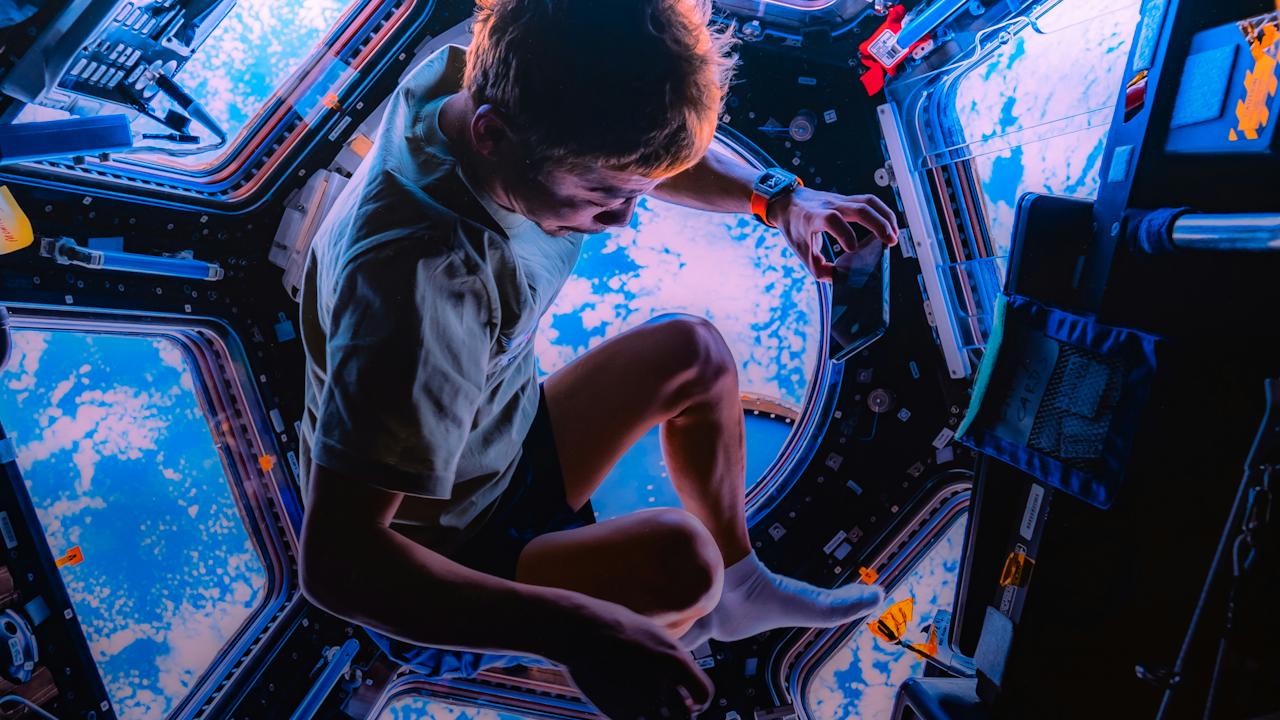
Space tourism represents one of the most ambitious frontiers in modern exploration and commerce. It involves private individuals paying for trips beyond Earth’s atmosphere to experience weightlessness, view the planet from above, and participate in what was once reserved for trained astronauts. As of 2025 and into 2026, the industry has seen notable activity alongside significant setbacks. The core question remains whether these experiences have become affordable for more than a tiny elite. The short answer is no for the vast majority of people, though gradual progress in technology and operations hints at broader access in the coming decade.
A Brief History of Space Tourism
The concept of space tourism dates back decades, but practical efforts gained momentum in the early 2000s. Dennis Tito became the first space tourist in 2001, paying an estimated 20 million dollars for a trip to the International Space Station aboard a Russian Soyuz spacecraft. A handful of other wealthy individuals followed through similar arrangements with Roscosmos. These early missions were purely orbital, involving weeks of training and stays on the station.
The landscape shifted with the entry of private companies. Virgin Galactic, founded by Richard Branson, aimed for suborbital flights that offer a few minutes of weightlessness without reaching full orbit. Blue Origin, led by Jeff Bezos, developed vertical launch systems for similar short hops. SpaceX, under Elon Musk, focused on orbital capabilities using its Crew Dragon spacecraft, initially for NASA contracts but later opening doors to private missions.
These companies promised to democratize space travel. Reusable rocket technology emerged as a key enabler, dramatically lowering costs compared to traditional expendable launch vehicles. Yet, translating that promise into widespread affordability has proven challenging due to safety requirements, regulatory hurdles, and the immense engineering demands of human spaceflight.
Current Offerings and Pricing in 2025-2026
In 2025 and early 2026, space tourism remains divided into two main categories: suborbital and orbital flights. Each offers distinct experiences at vastly different price points.
Suborbital flights take passengers to the edge of space, typically above the Karman line at around 100 kilometers altitude. Passengers experience several minutes of microgravity and stunning views before returning to Earth. Virgin Galactic’s flights, for instance, last about 90 minutes total from takeoff. The company resumed ticket sales in 2026 at 750,000 dollars per seat for its next-generation Delta class spacecraft, up from previous prices around 450,000 to 600,000 dollars. However, actual flights were delayed, with operations not expected until late 2026 or beyond.
Blue Origin’s New Shepard rocket provided suborbital experiences reaching about 100 kilometers. Early estimates placed ticket prices between 1 million and 2 million dollars, though the company did not publicly disclose exact figures. In January 2026, Blue Origin announced a grounding of New Shepard flights for at least two years to focus on lunar programs, halting tourism operations in that segment.
Orbital flights provide a more immersive experience, with days or weeks in space, often docking with the International Space Station. SpaceX has led here through partnerships with Axiom Space. Seats on Crew Dragon missions cost around 55 million dollars per person for trips lasting about a week or more. These include extensive training and support for private astronauts. A few high-profile missions, such as Inspiration4 in 2021, demonstrated the viability of all-civilian crews, but costs remained prohibitive.
Additional options like stratospheric balloon rides from companies such as Space Perspective offer a gentler, non-rocket alternative at lower costs, but they do not reach true space. Overall, in 2025, a brief suborbital jaunt required hundreds of thousands of dollars, while a proper orbital adventure demanded tens of millions. These figures place space tourism firmly in the realm of ultra-high-net-worth individuals.
Why So Expensive? Key Challenges
Several factors explain the high costs and limited affordability. First, safety and reliability demand rigorous testing, medical screenings, and training programs that add substantial overhead. Every flight involves complex systems where failure could be catastrophic, leading to conservative operational tempos and high insurance expenses.
Second, economies of scale have yet to materialize. Suborbital vehicles like those from Virgin Galactic and Blue Origin carry only a handful of passengers per flight. Orbital missions via Crew Dragon also have limited seats. Without frequent, high-volume operations, per-person costs stay elevated. Reusability helps, but refurbishment, maintenance, and regulatory compliance still consume resources.
Third, supply chain and infrastructure limitations persist. Spaceports require specialized facilities, and launch windows depend on weather and orbital mechanics. Delays, as seen with both Virgin Galactic and Blue Origin in 2025-2026, further strain business models. Market analyses highlight that the industry targets a narrow customer base, with little repeat business to spread costs.
Market reports project the global space tourism sector growing from around 1 to 2 billion dollars in 2025-2026 to potentially tens of billions by 2035, driven by technological improvements. Yet these figures assume successful scaling that has faced repeated hurdles.
Is It Affordable for Average People?
For the typical person, space tourism in 2025 remains far out of reach. A 750,000-dollar suborbital ticket equals the price of a luxury home in many cities or decades of average salaries. Orbital trips at 55 million dollars exceed the net worth of all but the richest fractions of a percent of the global population. Even optimistic projections for price drops to 200,000 dollars or below for suborbital flights by the late 2020s would still exclude most middle-class households.
Affordability depends on perspective. For billionaires and multimillionaires, these experiences represent a feasible luxury, akin to chartering a private yacht or buying a superyacht. Several celebrities and executives have already flown. For everyone else, it is aspirational at best. Lotteries or sponsorships occasionally surface as ideas to broaden access, but they have not scaled.
Broader economic context matters too. While reusable technology from SpaceX has reduced launch costs overall, human-rated vehicles carry stricter standards than cargo missions. Competition among companies could eventually drive prices down, but as of 2026, the market shows consolidation rather than rapid democratization.
Future Prospects: Toward Greater Accessibility?
Looking ahead, developments point to potential improvements. SpaceX’s Starship, a fully reusable super heavy-lift vehicle, holds promise for carrying dozens or even hundreds of passengers. Projections suggest it could reduce orbital per-seat costs to 10 million dollars or lower by 2030, enabling longer missions, lunar flybys, or even point-to-point Earth travel.
Increased flight cadence will be crucial. If companies achieve weekly or daily launches, fixed costs spread across more customers. New entrants and innovations in propulsion, materials, and training could further compress expenses. Some analysts forecast suborbital tickets falling toward 100,000 dollars by 2040 under optimistic scenarios.
Challenges remain significant. Regulatory frameworks must evolve for safety without stifling innovation. Public perception, influenced by any accidents, could slow adoption. Environmental concerns around frequent launches also require attention. Despite market hype, the path to affordability for ordinary people likely spans decades rather than years.
Conclusion
Space tourism in 2025 captures the imagination but delivers exclusivity. Suborbital options hover in the high hundreds of thousands of dollars when available, while orbital journeys demand fortunes. Technological leaps in reusability and vehicle capacity offer hope for lower prices, yet operational realities, safety imperatives, and limited scale keep the experience reserved for the wealthy. True affordability, where middle-class adventurers might participate, awaits further breakthroughs and sustained industry maturation. For now, space remains a destination primarily for those who can afford to turn dreams into high-altitude reality. The journey toward wider access continues, propelled by innovation and persistent ambition.