

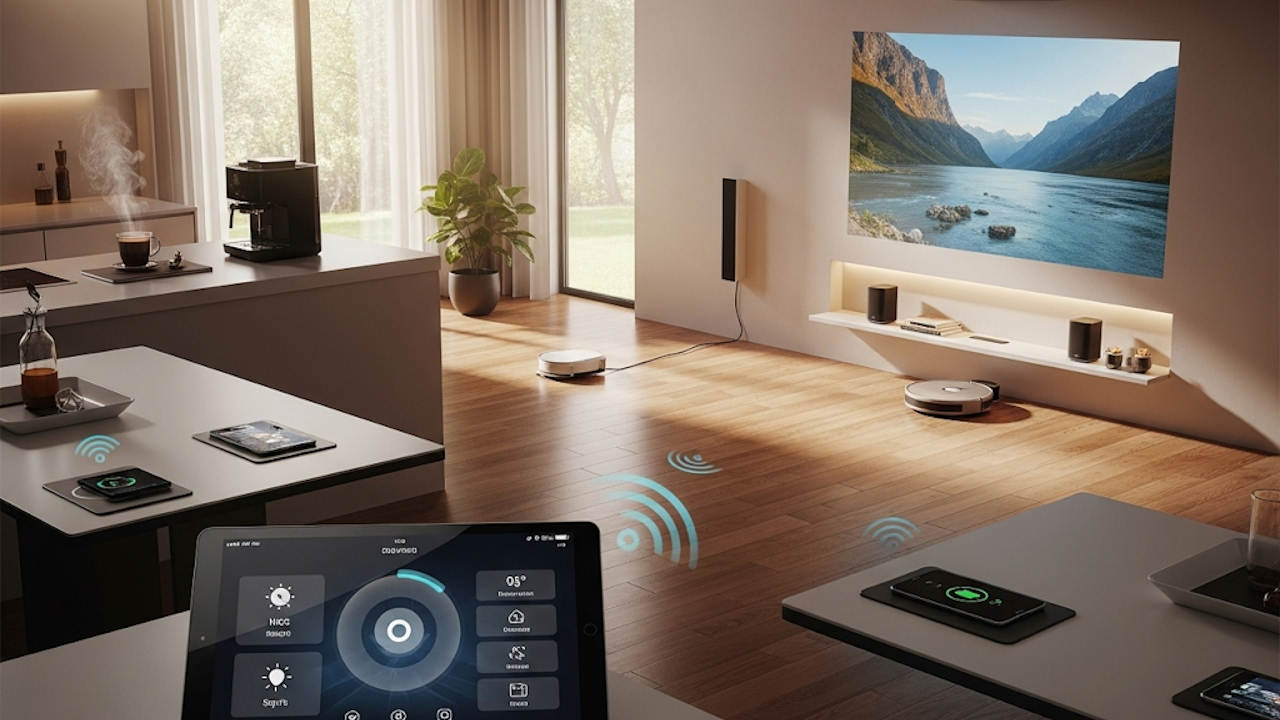
In an era where time feels increasingly scarce, smart homes have emerged as a transformative solution. These connected living spaces blend technology seamlessly into daily routines, automating tasks that once demanded constant attention. From adjusting lights with a simple voice command to ensuring security systems monitor your property around the clock, smart homes deliver convenience without requiring ongoing effort. This article explores the world of smart homes in depth, examining their foundations, current capabilities, advantages, hurdles, and promising future.
The concept of a smart home dates back further than many realize. Early ideas appeared in the mid-20th century with inventions like automated garage doors and programmable thermostats. However, the true foundation took shape in the 1990s and early 2000s with the rise of the internet and affordable wireless networks. The Internet of Things, or IoT, became the backbone, allowing everyday devices to communicate with each other and with users through cloud services. What began as niche gadgets for tech enthusiasts has evolved into mainstream systems accessible to millions. Today, smart home technology integrates artificial intelligence to learn user preferences and anticipate needs, turning a house into an intuitive partner rather than a collection of separate appliances.
At the heart of every smart home lies a network of interconnected devices. Central hubs serve as the brain, coordinating signals across the ecosystem. Popular hubs include those powered by voice assistants such as Amazon Alexa, Google Assistant, and Apple Siri. These systems rely on protocols like Zigbee, Z-Wave, and Wi-Fi to ensure reliable communication even when internet access fluctuates. Sensors play a crucial role too, detecting motion, temperature, humidity, light levels, and even air quality. Actuators then respond by adjusting blinds, dimming lights, or activating appliances.
Lighting represents one of the most straightforward yet impactful smart home features. Smart bulbs and switches allow users to control brightness, color, and schedules from a smartphone app or through voice. Imagine waking up to gradually brightening lights that mimic sunrise, or returning home to a well-lit entryway that automatically activates upon detecting your arrival. These systems integrate with circadian rhythm research to promote better sleep and productivity. Energy savings follow naturally, as lights turn off in empty rooms and adjust based on natural daylight.
Climate control takes smart home automation to another level of comfort. Smart thermostats learn household patterns, adjusting temperatures when residents are away or asleep. Integration with weather forecasts enables proactive changes, such as pre-cooling a home before a heatwave. Humidity sensors can trigger dehumidifiers or fans to maintain optimal indoor conditions, reducing allergens and preventing mold. For larger properties, zoned heating and cooling systems divide spaces into independent areas, ensuring energy efficiency without sacrificing comfort in occupied rooms.
Security stands out as a primary driver for many smart home adopters. Traditional alarm systems have given way to comprehensive setups featuring smart cameras, doorbells with video capabilities, smart locks, and motion detectors. These devices send real-time alerts to smartphones and allow remote monitoring from anywhere in the world. Facial recognition and geofencing add layers of intelligence, automatically disarming the system when authorized users approach and securing it upon departure. Integration with floodlights, sirens, and even neighborhood watch apps creates a robust deterrent against intruders. Beyond external threats, smart smoke detectors and carbon monoxide sensors provide early warnings, often coordinating with other devices to unlock doors for emergency responders or shut off gas lines.
Entertainment systems within smart homes enhance relaxation without complexity. Voice commands can summon music playlists, adjust television settings, or dim lights for movie night. Multi-room audio distributes sound evenly throughout the house, while smart projectors and screens adapt to ambient lighting. Streaming services integrate directly, recommending content based on viewing habits across family members. For those who enjoy gaming or virtual meetings, smart home setups optimize bandwidth and lighting to reduce eye strain.
Kitchen and appliance automation streamline meal preparation and household chores. Smart refrigerators track inventory, suggest recipes based on available ingredients, and generate shopping lists. Ovens and cooktops preheat according to schedules or recipes pulled from online databases. Robotic vacuums and mops navigate floors autonomously, returning to charging docks when complete. Washing machines and dryers notify users when cycles finish and even suggest optimal detergent amounts. These features prove especially valuable for busy professionals, families with young children, or older adults seeking greater independence.
Accessibility benefits represent one of the most meaningful aspects of smart home technology. Voice control and automation remove physical barriers for individuals with mobility limitations. Lights, doors, and thermostats become operable without reaching switches or handles. Fall detection sensors integrated into wearable devices or floor mats can alert caregivers or emergency services automatically. Medication reminders through connected speakers ensure timely doses, while smart mirrors display health metrics or weather updates in large, clear fonts. This technology fosters aging in place, allowing seniors to maintain dignity and safety in familiar surroundings.
Energy efficiency and sustainability gain prominence as smart homes mature. Detailed usage reports from connected devices help homeowners identify waste and adjust habits accordingly. Smart plugs monitor phantom power draw from idle electronics, cutting electricity automatically. Solar panel integration with battery storage systems optimizes renewable energy use, selling excess power back to the grid during peak times. Water conservation follows through leak detectors and smart irrigation systems that skip watering during rain or adjust based on soil moisture. Collectively, these measures reduce utility bills and environmental footprints, aligning personal convenience with planetary responsibility.
Despite clear advantages, smart homes face notable challenges. Initial setup costs can deter potential users, though prices continue to decline as competition grows. Compatibility issues persist across different brands and protocols, sometimes requiring multiple apps or bridges for full functionality. Privacy concerns rank high on many lists, given that devices collect data on daily routines, preferences, and even conversations. Manufacturers address these through end-to-end encryption and local processing options that minimize cloud dependency. Cybersecurity risks remain real, as hackers have targeted poorly secured IoT devices in the past. Strong passwords, regular firmware updates, and network segmentation help mitigate threats.
Reliability presents another consideration. Power outages or internet disruptions can temporarily disable features, though many modern systems include backup batteries and local control modes. User adoption varies by technical comfort level, leading some to prefer professional installation services. Integration complexity increases with the number of devices, occasionally resulting in conflicting commands or delayed responses. Education and intuitive interfaces continue to improve, making smart homes approachable for non-technical households.
Looking ahead, the future of smart homes appears even more integrated and proactive. Artificial intelligence will deepen its role, predicting needs with greater accuracy. A system might notice a resident exercising more frequently and adjust nutrition suggestions or room temperatures accordingly. Health monitoring through non-invasive sensors could track sleep patterns, heart rates, and stress levels, sharing insights with doctors via secure channels. Augmented reality interfaces might overlay digital controls onto physical spaces through glasses or projections, eliminating the need for screens.
Sustainability will drive further innovation. Homes could communicate directly with city infrastructure to balance energy loads during grid strain. Material science advancements may produce self-healing surfaces or adaptive windows that tint automatically for temperature control. Robotics will expand beyond vacuum cleaners to include assistants that handle laundry folding or grocery unpacking. Voice and gesture recognition will become more natural, supporting multiple languages and dialects with contextual understanding.
Community-level smart home networks could emerge, where neighboring properties share resources like surplus solar energy or collaborate on security. Urban planning might incorporate smart home standards into new developments, creating entire neighborhoods optimized for efficiency and connectivity. Regulatory frameworks will likely evolve to standardize data protection and interoperability, fostering broader adoption.
Smart homes ultimately represent more than gadget collections. They embody a shift toward living environments that respect human limitations while amplifying capabilities. By handling routine tasks silently in the background, these systems free mental energy for creativity, relationships, and personal pursuits. Families spend less time arguing over forgotten lights or thermostats and more time enjoying shared moments. Professionals maintain productivity without sacrificing home comfort during remote work. Individuals with health challenges gain autonomy and peace of mind.
Adoption continues to accelerate globally, with market projections indicating steady growth in both developed and emerging economies. Developing regions particularly benefit from leapfrog technology, installing smart infrastructure without legacy systems. Educational initiatives in schools and community centers help demystify the technology, ensuring equitable access across demographics.
Choosing the right smart home setup requires thoughtful planning. Beginners might start with a single category, such as smart lighting or a voice assistant speaker, then expand gradually. Compatibility research prevents frustration later. Budget considerations should include not only devices but also potential professional help for wiring or network optimization. Testing different ecosystems through trial periods helps match technology to lifestyle.
In conclusion, smart homes deliver on the promise of effortless living by weaving technology into the fabric of daily existence. They balance convenience with responsibility, innovation with security, and personalization with simplicity. As these systems grow more sophisticated and affordable, they stand poised to redefine what it means to come home. The house of the future is not merely shelter but a responsive companion, quietly supporting the rhythms of modern life while preserving the warmth and humanity that make a dwelling truly a home. Through continued refinement, smart homes will likely become as essential and unremarkable as electricity itself, simply enabling better ways to live.