

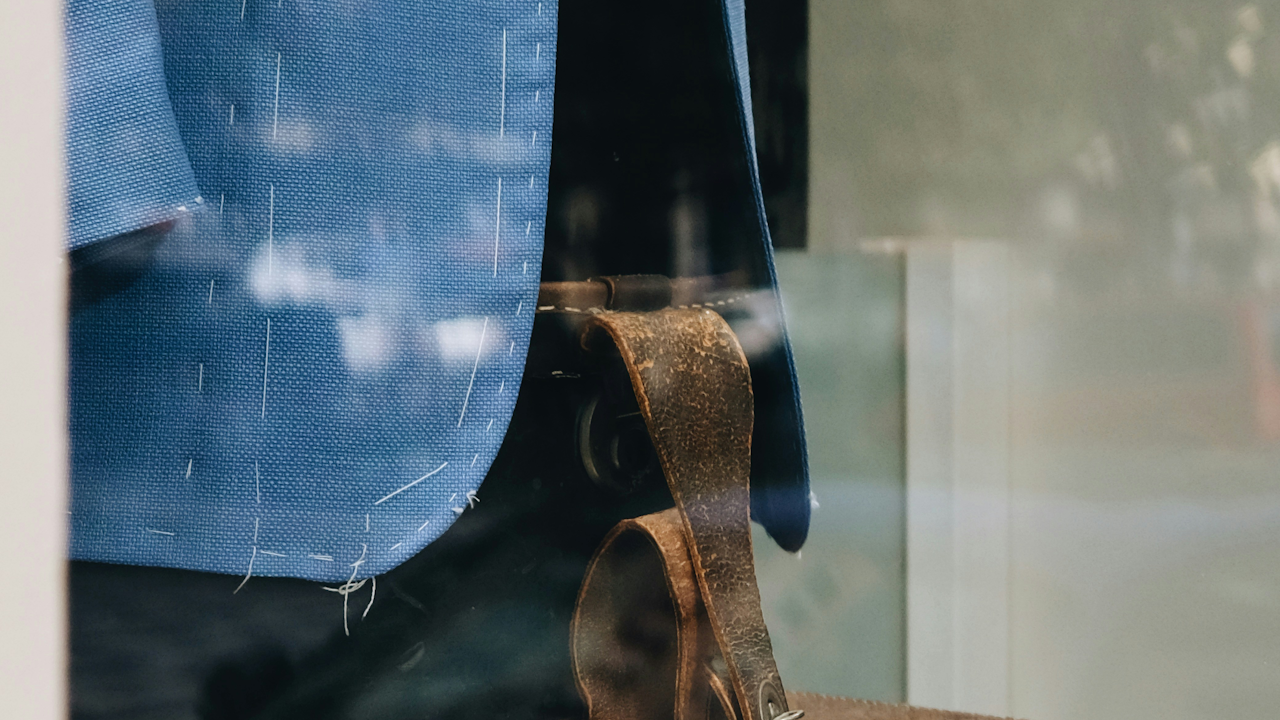
In an era dominated by rapid trends and disposable clothing, slow fashion emerges as a thoughtful alternative that prioritizes quality, longevity, and mindful consumption. This movement encourages individuals to build wardrobes filled with pieces that transcend seasons and fads, fostering both personal style and environmental responsibility. Investing in a timeless wardrobe means shifting from buying often and cheaply to selecting fewer, better-made items that endure. This approach not only reduces waste but also cultivates a deeper appreciation for craftsmanship and personal expression through clothing.
The roots of slow fashion trace back to the early 2000s, inspired by the slow food movement that began in Italy as a counter to fast food culture. Just as that initiative championed local, ethical, and high-quality food production, slow fashion applies similar values to apparel. Designer and researcher Kate Fletcher popularized the term, highlighting a system focused on quality, care, and sustainability rather than speed and volume. It gained momentum amid growing awareness of the fashion industry’s environmental and social costs, including overproduction, water pollution, and poor labor conditions.
Unlike fast fashion, which relies on frequent collection drops, low-cost materials, and mass manufacturing to fuel constant consumption, slow fashion operates on principles of intentionality. Key tenets include producing smaller batches, using durable fabrics, ensuring fair wages and safe working environments for artisans, and minimizing chemical use and waste. Transparency in supply chains becomes essential, with many brands sharing details about sourcing and production. The result is clothing designed to last years or even decades, rather than months.
The Environmental and Economic Case for Slow Fashion
The fashion industry contributes significantly to global carbon emissions, water consumption, and landfill waste. Fast fashion exacerbates these issues by encouraging overconsumption. The average consumer buys far more clothes than previous generations, often discarding them after limited use. Slow fashion counters this by promoting reduced purchasing and extended garment lifespans. A single high-quality item worn repeatedly over years has a much lower environmental footprint than multiple cheap replacements.
Economically, the upfront cost of slow fashion pieces may seem higher, but the long-term savings prove substantial. Durable construction using premium fibers, reinforced seams, and thoughtful design means fewer replacements. Repairing or altering these items extends their life further, turning clothing into true investments. Many who adopt this mindset report simplified shopping routines, less decision fatigue, and greater satisfaction with their closets.
Socially, supporting slow fashion brands often means backing ethical practices. This includes fair labor standards, community development in producing regions, and avoidance of exploitative supply chains. Consumers gain peace of mind knowing their purchases align with values of respect for people and the planet.
Defining a Timeless Wardrobe
A timeless wardrobe consists of versatile, classic pieces that remain stylish across decades. These items form the foundation of a capsule wardrobe, a curated collection of essentials that mix and match seamlessly for various occasions. The concept, popularized by figures like Susie Faux in the 1970s, typically limits items to around 30 to 50 pieces that work year-round, adapting with layering and accessories.
Focus centers on neutral colors such as black, white, beige, navy, and gray, which coordinate effortlessly. Silhouettes remain clean and flattering, avoiding extreme cuts or details that date quickly. Quality materials like organic cotton, linen, wool, cashmere, and responsibly sourced leather or denim provide comfort and longevity. The goal is not minimalism for its own sake but intentional selection that supports daily life without excess.
Essential Pieces for Building Your Timeless Wardrobe
Start with core staples that deliver maximum versatility. A crisp white button-down shirt serves as a blank canvas, pairing with jeans for casual days or trousers for professional settings. Opt for breathable cotton or linen blends with reinforced buttons and tailored fits.
Well-fitted jeans in a classic straight or slim cut represent another cornerstone. Choose mid-rise styles in dark indigo or black denim from brands emphasizing ethical production and sturdy construction. These withstand years of wear when selected for quality.
A tailored blazer in wool or a wool blend adds structure to any outfit. Neutral tones allow it to elevate dresses, skirts, or casual separates. Look for lined interiors and quality hardware that resist wear.
The little black dress remains iconic for its adaptability. A simple sheath or A-line cut in a durable fabric transitions from day to evening with ease. Select midi or knee lengths for broader wearability.
Outerwear deserves attention too. A trench coat in cotton gabardine or a wool overcoat provides elegance and protection across seasons. These pieces often improve with age, developing character through use.
Footwear basics include leather loafers, ankle boots, and comfortable sneakers in neutral shades. Invest in resoleable options from makers known for craftsmanship. A classic handbag in leather or canvas completes the foundation, favoring structured shapes over fleeting trends.
Layering pieces such as crewneck sweaters, turtlenecks, and cardigans in merino wool or cashmere offer warmth and texture. High-quality basics like tees and tanks in organic cotton provide reliable underpinnings.
How to Transition to a Slow Fashion Wardrobe
Begin with a closet audit. Sort items into categories: keep, repair, donate, or recycle. Identify gaps where timeless pieces could replace multiples of similar low-quality garments. This process reveals patterns in what you actually wear versus what clutters space.
Define your personal style by considering lifestyle needs, body shape, and preferred colors. Avoid impulse buys by asking whether an item will coordinate with existing pieces and remain relevant in five years. Shopping lists focused on specific needs prevent unnecessary acquisitions.
Research brands committed to slow principles. Many offer transparency reports, use deadstock fabrics, or employ local artisans. Secondhand platforms and vintage stores provide access to pre-owned timeless items, extending their lifecycle while reducing demand for new production.
Learn basic mending skills to prolong garment life. Simple repairs like sewing buttons or patching extend usability significantly. Professional tailoring ensures perfect fits, maximizing wear.
Seasonal rotation helps. Store off-season items properly to prevent damage, and focus on versatile layering for transitional weather. This maintains a functional closet without excess.
Challenges and Practical Considerations
Adopting slow fashion requires patience and a mindset shift. Initial investments may strain budgets, so prioritize one or two key pieces per season. Sales and secondhand markets ease entry. Some worry about limited variety, yet creative styling of classics often yields more outfits than trend-driven hauls.
Regional differences in climate or culture influence choices. Adapt essentials accordingly, such as lighter fabrics in warmer areas or sturdier outerwear in colder ones. Cultural events or professional dress codes may call for specific additions while maintaining core timelessness.
Sustainability extends beyond materials. Supporting brands with circular models, such as take-back programs or repair services, reinforces the movement. Upcycling or swapping with friends adds community and creativity.
The Personal and Cultural Impact
Embracing slow fashion transforms daily routines. Mornings become simpler with coordinated options ready to wear. Confidence grows from knowing clothing fits well and looks intentional. Many report reduced anxiety around shopping and greater joy in wearing favorites repeatedly.
On a broader scale, widespread adoption pressures the industry toward better practices. Consumer demand drives innovation in regenerative fibers, zero-waste design, and ethical manufacturing. Timeless wardrobes challenge the narrative of constant novelty, celebrating enduring beauty instead.
Stories abound of individuals who, after years of fast fashion dissatisfaction, found liberation in curated closets. One professional might wear the same high-quality blazer for a decade across roles, while a creative type mixes vintage finds with new ethical purchases for unique expressions. These choices accumulate into meaningful lifestyle changes.
Looking Ahead
Slow fashion continues evolving with technological advances like traceable supply chains and innovative materials from recycled plastics or agricultural waste. Education around these options empowers smarter decisions. Communities, online forums, and local workshops foster knowledge sharing on mending, styling, and sourcing.
Ultimately, investing in timeless wardrobes represents more than clothing choices. It embodies values of stewardship, quality, and mindfulness. By selecting pieces that honor craftsmanship and longevity, individuals contribute to a more sustainable future while enjoying personal style that feels authentic and enduring.
This philosophy invites reflection on consumption habits across all life areas. What we choose to wear reflects how we engage with the world. Slow fashion offers a path toward harmony between personal expression, economic sensibility, and planetary health. Through deliberate investment in timeless garments, anyone can cultivate a wardrobe that serves well for years, reducing environmental strain and enriching daily life with pieces chosen for lasting value rather than fleeting appeal. The journey begins with one mindful purchase and builds into a collection that tells a story of intention and care.