

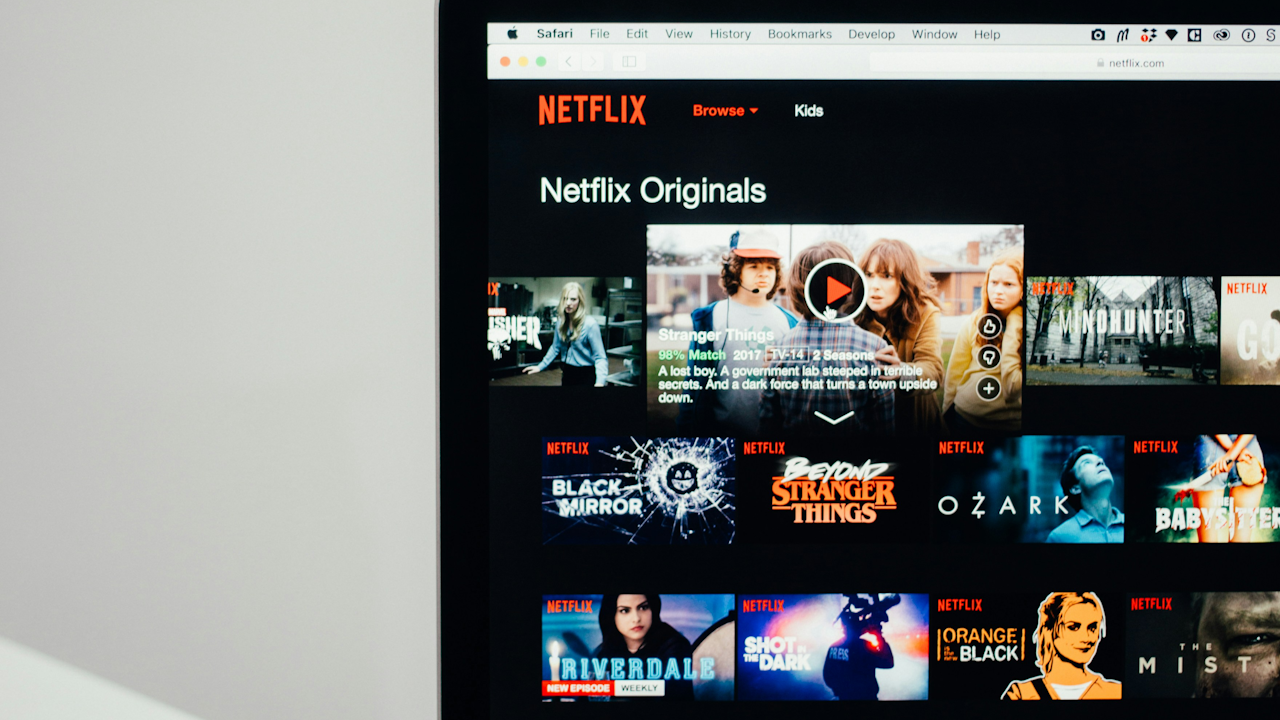
In an era of endless franchises, cinematic universes, and nostalgic callbacks, the entertainment industry faces a persistent question: Do audiences truly crave fresh stories, or are they content with familiar worlds revisited? Hollywood and streaming platforms have bet heavily on reboots, remakes, and sequels for years. Data from box office trends and audience surveys reveals a complex picture. While reboots often deliver financial security, originals frequently earn stronger critical praise and resonate more deeply with certain demographics. Understanding this tension helps explain what audiences actually want.
The Rise of Reboots in Modern Entertainment
Reboots and remakes have become staples of film and television. Studios favor them because established intellectual property (IP) reduces risk in an expensive industry. A well-known title carries built-in recognition, which can translate to easier marketing and stronger opening weekends. According to industry analyses, remakes average about 20 percent higher opening weekends than original films based on data from 2020 to 2024.
This strategy intensified in the 2010s and 2020s. In the 1990s, nearly half of the top 20 highest-grossing films each year were originals, with sequels making up only about 14.5 percent. By contrast, in the past five years, originals accounted for just 12 percent of the top 20 domestic earners, while sequels comprised two-thirds. The last original film to top the domestic box office was Avatar in 2009. Since then, blockbusters have leaned heavily on known properties.
Television follows a similar pattern. Streaming services have revived classics like Fuller House, Gossip Girl, and The Equalizer. These projects offer lower perceived risk because they tap existing fan bases. Yet success varies widely. Some reboots achieve solid viewership, but many fail to recapture the magic of their predecessors.
Financial Realities: Safety in Familiarity
Studios point to economics. Producing a big-budget film costs tens or hundreds of millions. A reboot leverages nostalgia and preexisting marketing equity. Sequels and reboots often cost more to produce than originals but generate higher average profits. One analysis found originals averaging lower production budgets (around 34 million dollars) compared to sequels (102 million) and remakes (133 million), yet sequels delivered the strongest profit margins on average.
Franchise films dominate global earnings. In 2019, for example, franchise releases made up 42 percent of wide releases but captured 82.5 percent of worldwide box office revenue. Non-franchise originals earned far less despite comprising the majority of releases. Adaptations of toys, games, and books — such as The Super Mario Bros. Movie, Barbie, or A Minecraft Movie — further illustrate this trend. These projects blend familiarity with spectacle to draw families and global audiences.
Yet financial wins do not always equal unqualified success. Many reboots underperform when adjusted for inflation or compared directly to their source material. A 2016 study of 27 rebooted franchises found originals outperforming reboots in adjusted domestic and worldwide gross, critical scores, and audience reception in most cases. High-profile flops like certain entries in the Terminator, Ghostbusters, or Mummy series highlight the dangers. Audiences may show up initially out of curiosity, but word-of-mouth suffers if the new version feels unnecessary or poorly executed.
Critical and Creative Perspectives
Critics generally prefer originals. Remakes average significantly lower Tomatometer scores than their source films — around 47 percent versus 81 percent for originals in one Rotten Tomatoes analysis. Reboots fare slightly better at 53 percent but still lag behind. This gap arises because reboots often face impossible expectations. They must honor the original while updating it for modern sensibilities, a balancing act that frequently results in diluted storytelling or pandering.
Successful reboots tend to innovate meaningfully. Examples include The Batman (2022), which offered a grounded, noir-inspired take; Casino Royale (2006), which revitalized the James Bond series; or Star Trek (2009), which launched a new timeline. These projects succeeded by respecting the spirit of the original while carving out fresh territory. Failures often copy superficial elements without capturing the essence or addressing why the story matters today.
Original films, by contrast, earn acclaim for bold ideas. Movies like Oppenheimer, Everything Everywhere All at Once, or Sinners demonstrate that fresh concepts can achieve both critical and commercial success when executed well. Yet studios release fewer originals in wide theatrical runs because they carry higher perceived risk in a fragmented attention economy.
What Audiences Actually Want: Data and Demographics
Audience preferences are nuanced and generational. Younger viewers, particularly millennials and Gen Z, express strong interest in original content. A Tubi-commissioned survey found that 74 percent of these demographics prefer originals over franchises or remakes. Nearly three-quarters also favored stories from independent or smaller creators.
This preference aligns with broader cultural shifts. Younger audiences grew up with abundant streaming options and value authenticity, diversity, and innovation. They often criticize reboots that feel like cash grabs or that mishandle beloved properties through unnecessary changes. Nostalgia still holds power — many enjoy revisiting childhood favorites — but repetition breeds fatigue. Polls indicate that around 60 percent of viewers skip pure remakes due to overuse.
Older demographics show more loyalty to established IPs. They appreciate the comfort of familiar characters and worlds, especially in uncertain times. Nostalgia marketing works because it triggers positive emotional memories. Reboots can bridge generations, introducing classics to new viewers while satisfying longtime fans. However, even these audiences tire of low-quality revivals that prioritize spectacle over substance.
Streaming data reinforces mixed signals. Remakes and reboots represent a small portion of content (around 3.4 percent of scripted U.S. shows in 2023) but generate outsized demand when they land well. Platforms use them to boost subscriptions and retain viewers seeking low-effort comfort viewing. Yet binge-worthy originals often drive long-term engagement and cultural conversations.
The Psychology Behind Preferences
Several psychological factors explain audience behavior. The mere-exposure effect makes familiar properties appealing. People gravitate toward known stories because they require less cognitive effort in a busy world. Nostalgia provides emotional safety and escapism, particularly after events like the COVID-19 pandemic that heightened desire for comfort.
At the same time, humans crave novelty. Original stories surprise, challenge assumptions, and reflect contemporary experiences. When reboots succeed, they often do so by blending the two — delivering familiarity with fresh perspectives on themes like identity, technology, or society.
Audience fatigue is real. Endless sequels and reboots lead to cynicism. Viewers complain about lack of creativity, formulaic plots, and reliance on IP over original screenplays. Social media amplifies backlash against poorly received revivals, influencing studio decisions in real time.
Striking a Balance: The Path Forward
The industry does not need to abandon reboots entirely. They serve valuable roles: sustaining beloved franchises, funding riskier projects, and reaching global markets. The key lies in quality and purpose. Reboots should justify their existence by offering new angles, deeper explorations, or cultural relevance rather than superficial updates.
Studios could benefit from greater investment in mid-budget originals. These films often deliver strong returns relative to cost and foster talent pipelines. Hybrid approaches — such as original stories within established universes or thoughtful adaptations of lesser-known material — may satisfy both safety and innovation.
Emerging technologies like streaming algorithms and audience testing could help predict demand more accurately. Platforms might experiment with smaller-scale reboots or limited series that allow creative freedom without blockbuster pressure.
Ultimately, audiences want compelling stories well told. Whether original or reboot, success hinges on characters that feel authentic, narratives that resonate, and execution that respects viewer intelligence. Data shows financial incentives favor familiarity, but long-term cultural impact and audience loyalty often reward originality.
As the entertainment landscape evolves with new distribution models and shifting demographics, the most successful creators will listen closely to what viewers signal through both their wallets and their feedback. A healthy mix of reboots and originals keeps the industry vibrant. Overreliance on one at the expense of the other risks alienating the very audiences studios seek to serve. The future belongs to those who understand that while nostalgia sells tickets, fresh ideas capture hearts and imaginations for generations.