

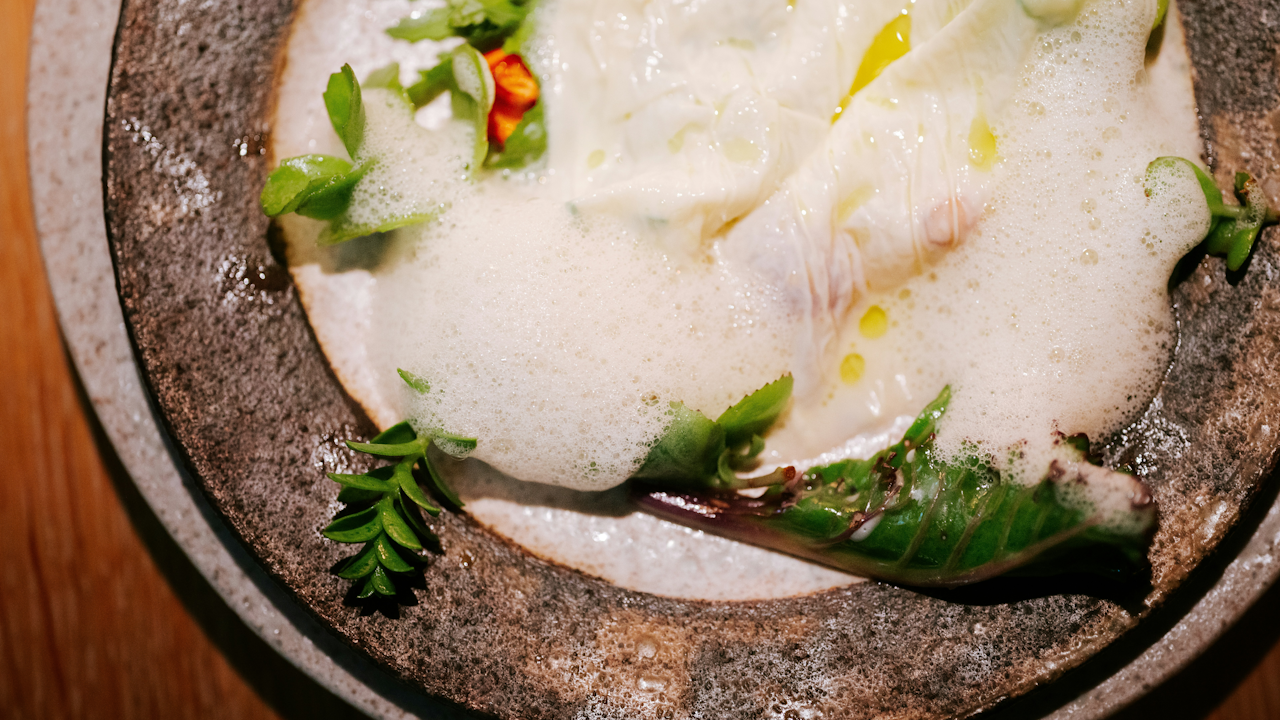
Foraging, the practice of gathering wild plants, mushrooms, herbs, and other edibles from forests, fields, beaches, and even urban edges, has transformed from a survival skill into a cornerstone of contemporary fine dining. Chefs at the world’s most celebrated restaurants now weave these untamed ingredients into tasting menus that command hundreds of dollars per person. This movement celebrates hyper-local flavors, seasonality, and a direct connection to the land. It challenges the reliance on cultivated produce shipped from distant farms and elevates humble weeds, forest floor treasures, and coastal finds to luxurious status.
The appeal lies in the unparalleled freshness and complexity of wild foods. Unlike their farmed counterparts, foraged items often possess more intense, nuanced tastes shaped by their natural environments. A wild garlic leaf might carry a sharper, earthier punch than cultivated chives. Sea buckthorn berries deliver a tart, citrus-like brightness that no greenhouse orange can match. These ingredients introduce diners to flavors that feel both ancient and innovative, grounding high-end meals in the rhythms of nature.
A Brief History of Foraging in Cuisine
Humans have foraged since the dawn of our species, relying on wild resources long before agriculture. Indigenous cultures worldwide maintained deep knowledge of edible plants, passing down identification skills and preparation methods across generations. In Europe, peasants and rural communities gathered nettles, sorrel, mushrooms, and berries as dietary staples or seasonal treats.
The modern resurgence in fine dining traces prominently to the early 2000s with the rise of New Nordic Cuisine. Chef René Redzepi at Noma in Copenhagen played a pivotal role. Opening in 2003, Noma emphasized ingredients sourced within a limited radius, including abundant wild finds from Danish shores and forests. Redzepi and his team foraged for items like beach plants, moss, ants, and wild herbs, turning them into groundbreaking dishes. Noma’s repeated ranking as the world’s best restaurant amplified the trend globally.
This philosophy influenced chefs everywhere. In the United States, restaurants began highlighting foraged ramps, morels, and fiddleheads. In Peru, Virgilio Martínez at Central explored altitude-specific wild ingredients. In the United Kingdom and beyond, figures like Simon Rogan incorporated foraged elements, inspiring a wave of “wild” and “local” labeling on menus. What began as a Nordic innovation became a worldwide movement celebrating terroir and sustainability.
Why Foraged Ingredients Captivate Fine Dining
Several factors drive this integration. First, uniqueness: foraged foods offer rare flavor profiles unavailable in commercial supply chains. Second, storytelling: a dish featuring hand-gathered wood sorrel tells a narrative of place and season, enhancing the dining experience. Third, perceived luxury: rarity and effort create exclusivity. A diner might pay a premium knowing a chef or forager rose at dawn to harvest pine needles or wild mushrooms just for that evening’s service.
Sustainability also plays a key role, though it requires nuance. Responsible foraging can support biodiversity by encouraging appreciation of wild spaces. It reduces dependence on monoculture farming, which often strains resources. Yet overharvesting poses risks, making ethical sourcing essential.
Finally, creativity: wild ingredients push chefs to innovate. Fermentation, pickling, drying, and precise cooking techniques transform potentially bitter or tough items into refined components.
Popular Foraged Ingredients and Their Uses
Fine dining menus feature a wide array of foraged treasures. Here are some prominent examples:
Wild mushrooms rank among the most prized. Chanterelles bring a fruity, apricot-like aroma to risottos or sautés paired with short ribs. Black trumpets offer smoky depth in tarts with foie gras. Hedgehog mushrooms provide a firm texture ideal for garnishes. Morels, with their honeycomb caps, star in spring dishes. Candy cap mushrooms, which smell like maple syrup when dried, flavor desserts or syrups. Chefs like those at Montrio Bistro have created black trumpet tarts with pine needle elements.
Greens and herbs abound. Stinging nettles, blanched to remove their sting, yield vibrant green gnocchi or soups with a spinach-like taste and high nutritional value. Wood sorrel adds lemony brightness to salads, teas, or custards. Garlic mustard, an invasive species in many areas, offers pungent leaves for kimchi or pestos. Chickweed and dandelion greens contribute mild bitterness and nutrients to composed salads. Ground elder, or goutweed, appears in modern Nordic-inspired preparations.
Coastal and beach finds shine in seafood-focused menus. Seaweeds like gut weed or kelp provide umami and salinity. Sea buckthorn, samphire (sea beans), and beach mustard deliver saline, crisp notes. Redzepi famously foraged beach items to highlight Nordic coastal terroir.
Flowers and unusual items add visual and aromatic flair. Wild violets, elderflowers, and nasturtiums garnish plates. Pine needles infuse syrups or oils. Even insects, such as ants, have appeared in experimental dishes for their citrusy tang.
Fruits and nuts include wild berries, rose hips, and foraged nuts like hazelnuts or acorns processed into flours. Invasive species such as trifoliate oranges or spicebush berries are repurposed into spices or puddings.
Chefs and Restaurants Leading the Way
Beyond Redzepi, many chefs have embraced foraging. In the Isle of Man, Pippa Lovell at Versa forages nearly everything for her weekly-changing menu, from seaweeds to meadow sweet. In Washington, D.C., forager-chef Iulian Fortu supplies Michelin-starred spots like The Dabney with mushrooms, ramps, and garlic mustard while running Poplar.
In California, foragers like Pascal Baudar supply elite kitchens with wild radishes, fennel, and mustard for modernist preparations. In Oklahoma, Nonesuch features wood sorrel teas and green garlic custards. Montana chefs create morel tacos and foraged green salads. Tavola in Minneapolis builds entire tasting menus around foraged herbs and wild game.
European examples include Sven Wassmer in Switzerland and Matt Powell at ANNWN in Wales, both emphasizing wild Welsh or Alpine larder items. These chefs often maintain relationships with dedicated foragers or train staff to harvest safely.
Challenges in Bringing the Wild to the Table
Incorporating foraged foods is not without hurdles. Safety tops the list: misidentification can lead to illness or worse. Chefs and foragers must possess expert knowledge or consult mycologists and botanists. Training staff becomes critical.
Seasonality limits consistency. A ramp-heavy menu might last only weeks in spring. Restaurants adapt with preservation techniques like fermenting, drying, or pickling to extend availability.
Legality and sustainability raise concerns. Some areas restrict harvesting on public lands. Overforaging can deplete populations, especially for slow-growing species like certain mushrooms or ramps. Ethical foragers follow “take only a third” rules and focus on abundant or invasive species to minimize impact.
Supply chain issues arise too. Unlike reliable produce deliveries, wild yields vary with weather. Restaurants might supplement with small farms growing “wild-simulated” versions, but true foraged items command higher effort and cost.
Finally, customer perception: some diners hesitate over “weeds” or unfamiliar items. Skilled chefs overcome this through elegant presentations and flavor education.
Preparation Techniques in Fine Dining
Chefs treat foraged ingredients with precision. Gentle blanching preserves nettles’ color and removes irritants. Quick sautés highlight mushrooms’ textures. Infusions create oils, vinegars, or broths. Fermentation develops complex umami, as seen in wild herb kimchis or misos.
Plating emphasizes minimalism: a scattering of tiny wild flowers or a dusting of powdered pine needles elevates simplicity. Pairings with proteins, such as foraged mushrooms with game or seafood, balance earthiness with richness.
The Future of Foraged Foods in Gastronomy
As climate awareness grows, foraging aligns with values of locality and low environmental footprint. Younger chefs experiment with urban foraging in parks or vacant lots, turning “invasives” into assets. Technology aids identification via apps, though expertise remains irreplaceable.
Expect more integration with regenerative practices, where foraging complements farming. Tasting menus may increasingly reflect real-time harvests, fostering spontaneity. Educational foraging experiences alongside dinners could deepen diner connections.
Foraged foods remind us that luxury need not mean excess imported ingredients but rather thoughtful appreciation of what the land offers freely. In an era of industrial food systems, this return to wild roots enriches palates, cultures, and ecosystems when practiced mindfully.
From Noma’s moss and ants to neighborhood spots featuring nettle pastas, wild ingredients continue to redefine fine dining. They invite us to look down at our feet, where extraordinary flavors await those willing to seek them. The next time you encounter “foraged” on a menu, consider the forager’s early morning trek, the chef’s creative alchemy, and the deep history of human connection to the wild. It is more than a trend. It is a reclamation of sensory wonder in an increasingly homogenized world.eliciously wild.