

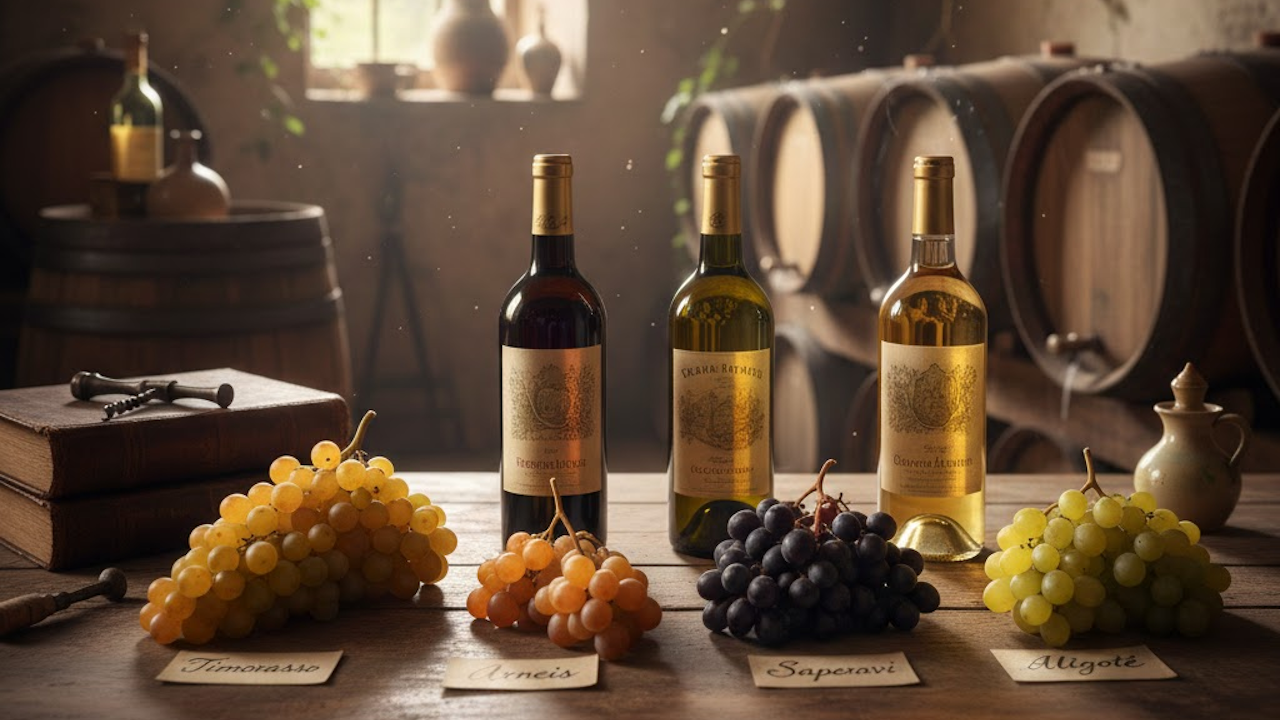
In the vast, interconnected world of modern viticulture, a few “celebrity” grapes have long dominated the shelves. Chardonnay, Cabernet Sauvignon, and Merlot are the household names that promised consistency and high yields for decades. However, a quiet revolution is fermenting in the vineyards of Europe and beyond. Winemakers are increasingly looking backward to move forward, resurrecting “retro” grape varieties that were once on the brink of extinction.
These heirloom vines are not just being revived for the sake of nostalgia. They are proving to be vital tools for a wine industry facing a changing climate and a consumer base hungry for authenticity.
The Great Disappearing Act
To understand why these grapes are returning, we must understand why they left. In the late 19th century, the phylloxera louse devastated European vineyards. When it came time to replant, many farmers chose “reliable” varieties that were easy to grow and commercially viable.
During the mid 20th century, the industrialization of wine further narrowed the field. Diversity was traded for efficiency. Rare grapes that were finicky, low yielding, or late ripening were ripped out and replaced by the global superstars. By the 1970s, many of the varieties we enjoy today were reduced to a few lonely rows in forgotten family gardens.
Why Retro is Trending
The current comeback of these ancient vines is driven by three primary factors:
1. Climate Resilience
As global temperatures rise, the classic varieties are ripening too early, losing their acidity and balance. Many forgotten grapes were originally abandoned because they ripened too late or thrived in “too much” heat. Today, those traits are exactly what winemakers need. Varieties like the Spanish Garnacha Blanca or the French Castets are being replanted because they can withstand drought and maintain freshness even in blistering summers.
2. Genetic Diversity
The homogenization of wine led to a world where many bottles tasted remarkably similar. By reviving heritage grapes, viticulturists are restoring the genetic library of the vine. This diversity provides a natural defense against pests and diseases that might easily wipe out a monoculture of identical clones.
3. The Quest for Terroir
Modern drinkers are moving away from “brand” wines and toward wines that tell a story of a specific place. Ancient varieties are often deeply tied to the history and soil of a region. They offer flavors that cannot be replicated by planting Chardonnay in a new location.
Stars of the Resurgence
| Variety | Origin | Notable Characteristics |
| Timorasso | Piedmont, Italy | A powerful white with high acidity and mineral notes; nearly extinct in the 1980s. |
| Godello | Galicia, Spain | Produces complex, textured whites that rival top tier Burgundy. |
| Arneis | Piedmont, Italy | Known as the “Little Rascal” for being hard to grow, it offers crisp floral notes. |
| Saperavi | Georgia | An ancient “teinturier” grape with red flesh and skin, producing deeply inky wines. |
| Aligoté | Burgundy, France | Long considered the “second” white of Burgundy, it is now prized for its lean, citrusy edge. |
The Case of the “Little Rascal”
In Italy, the Arneis grape provides a perfect example of a retro revival. Once used primarily to soften the tannins of red Nebbiolo or to lure birds away from more valuable grapes, it was almost completely forgotten by the 1970s. Only a handful of producers in the Roero hills kept it alive.
Today, it is celebrated as “White Barolo.” Its comeback was fueled by winemakers who recognized that its stone fruit aromatics and almond finish offered a unique alternative to the sea of generic Pinot Grigio.
Looking Toward the Future
The revival of these old souls is more than a passing fad. In Bordeaux, authorities have recently approved several “new” (but actually very old) varieties to help the region adapt to a warmer world. These include Mancin and Castets, grapes that haven’t been seen in professional blends for a century.
As we look to the future of the glass, it seems the most innovative thing a winemaker can do is rediscover what was lost. These retro grapes offer a link to the past while providing a sustainable path forward, ensuring that the wine world remains as diverse and vibrant as the civilizations that first planted the vines.