

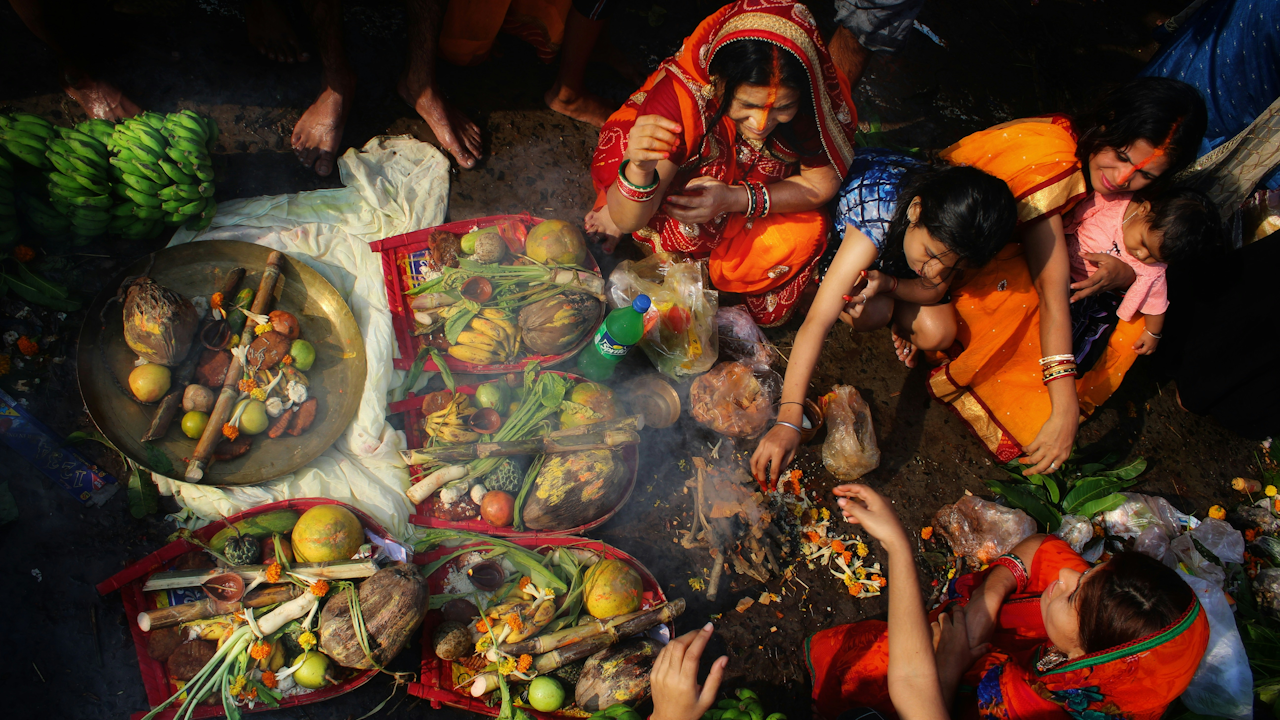
Religion weaves itself into the fabric of human existence in ways both visible and subtle. It influences how people structure their days, what they eat, how they dress, the stories they tell, the values they uphold, and the communities they build. Far from being confined to places of worship or private belief, religious traditions shape public calendars, popular expressions, artistic output, and social expectations across continents and centuries. Even in highly secular environments, echoes of religious heritage persist in language, holidays, architecture, and moral intuitions. This enduring presence makes religion a central force in everyday culture worldwide.
Recent data underscores its scale. As of 2020, approximately 75.8 percent of the global population identified with a religious group, while 24.2 percent did not. Christians comprised about 28.8 percent, Muslims 25.6 percent, and Hindus 14.9 percent, with other traditions filling out the remainder. These affiliations translate into lived practices that extend far beyond personal faith into collective life.
Historical Foundations
Throughout history, religions have served as foundational elements for entire civilizations. They provided frameworks for governance, education, law, and social organization long before modern nation-states emerged. The spread of Christianity across Europe helped standardize calendars, legal codes, and educational institutions. Islamic scholarship during the Golden Age preserved and advanced knowledge in mathematics, medicine, and philosophy that later influenced the Renaissance. Hindu and Buddhist traditions in Asia shaped concepts of duty, karma, and enlightenment that informed social hierarchies, art, and ethics for millennia. Indigenous and folk religions embedded spiritual understandings into local environments, agriculture, and kinship systems.
These historical layers continue to inform contemporary culture. Many modern legal systems retain traces of religious moral reasoning, even where explicit separation of religion and state exists. University traditions in the West often trace roots to medieval monastic and cathedral schools. Public architecture in cities from Rome to Istanbul to Varanasi still features dominant religious structures that define skylines and serve as cultural landmarks. The past does not simply linger; it actively structures present-day routines and identities.
Daily Rituals and Personal Practices
Religion structures time and attention in ordinary hours. For observant Muslims, the five daily prayers interrupt work, school, and social activities, creating rhythmic pauses oriented toward Mecca. In many Christian communities, grace before meals or bedtime prayers mark transitions in the domestic day. Buddhist and Hindu practitioners may begin mornings with meditation or offerings. Jewish observance of the Sabbath from Friday sunset to Saturday evening transforms an ordinary weekend into a period of rest, reflection, and family focus.
These practices extend beyond the individual. They influence household rhythms, workplace accommodations, and even urban planning. Cities with large Muslim populations adjust traffic and business hours around prayer times during Ramadan. In parts of India and Nepal, temple bells and morning rituals form part of the ambient soundscape. Even among those who rarely attend services, residual habits such as lighting candles, keeping religious texts visible, or pausing for reflection persist as cultural markers. Pew Research findings on highly religious Americans indicate greater engagement with family and community, suggesting these routines reinforce social bonds alongside spiritual ones.
Food, Dietary Laws, and Shared Meals
Dietary rules rooted in religion create distinct culinary cultures while also generating shared experiences. Islamic halal standards, Jewish kosher laws, and Hindu emphasis on vegetarianism or avoidance of beef shape grocery aisles, restaurant menus, and global food industries. During Ramadan, the communal iftar meal after sunset fasting becomes a social event that strengthens neighborhood ties. Christian traditions of Lenten fasting or Friday fish dinners historically influenced regional cuisines in Europe and Latin America.
Food also carries symbolic weight. The Christian Eucharist, Jewish Passover seder, and Hindu prasad offerings transform ordinary ingredients into vehicles of meaning and memory. In multicultural settings, these practices foster both distinction and exchange. Supermarkets in diverse cities stock certified halal and kosher products alongside mainstream items. Fusion cuisines emerge when religious dietary needs meet local ingredients. Meals prepared according to religious guidelines often serve as entry points for cultural education and hospitality, turning private observance into public sharing.
Clothing, Symbols, and Personal Expression
Religious traditions guide how people present themselves to the world. The hijab, turban, kippah, cross necklace, or modest dress codes signal identity, commitment, and community belonging. In some contexts these choices spark public debate about accommodation in schools or workplaces; in others they blend seamlessly into everyday fashion. Traditional garments worn during festivals or rites of passage, such as the Indian sari or African dashiki with religious embroidery, link personal appearance to collective heritage.
Symbols extend beyond clothing. Religious icons appear in homes, vehicles, and public spaces as quiet affirmations of belief or cultural continuity. Tattoos of crosses, Om symbols, or mandalas represent personal spirituality for many. Even commercial fashion occasionally draws inspiration from religious aesthetics, though often stripped of original context. These visible markers help individuals navigate identity in pluralistic societies while sometimes inviting curiosity or misunderstanding from outsiders.
Festivals, Holidays, and Collective Celebrations
Religious calendars organize communal life on a grand scale. Christmas, Eid al-Fitr, Diwali, Vesak, Passover, and countless local saint days or harvest festivals close schools, halt commerce, and prompt family gatherings in their respective regions. In countries with Christian heritage, December holidays dominate retail cycles and public decorations regardless of individual belief. In India, a succession of Hindu, Muslim, Sikh, and Christian festivals creates a near-constant rhythm of public celebration and time off.
These events blend sacred meaning with cultural enjoyment. Processions, music, special foods, and gift exchanges turn religious commemoration into civic spectacle. Children absorb stories and values through participation even if later life brings secular outlooks. In diaspora communities, festivals become anchors of identity, preserving language and customs across generations. They also serve economic functions, boosting tourism and local businesses while reinforcing social cohesion.
Language, Expressions, and Everyday Communication
Religious vocabulary permeates ordinary speech. Phrases such as “thank God,” “bless you,” “oh my God,” and “goodbye” (from “God be with ye”) survive in secular usage long after original devotional intent fades. Oaths in courts or pledges of allegiance often retain religious references in many nations. Proverbs and idioms drawn from sacred texts shape moral reasoning and storytelling.
Sacred languages influence broader linguistic landscapes. Arabic terms enter everyday vocabulary in Muslim societies. Sanskrit roots appear in Indian languages and philosophical discourse. Biblical allusions enrich English literature and political rhetoric. Even profanity frequently borrows religious imagery, demonstrating how deeply these frameworks embed themselves in expressive culture. Religious language provides shared reference points that facilitate both agreement and debate across diverse populations.
Art, Music, Literature, and Architecture
Religious themes have driven artistic achievement for centuries. Cathedrals, mosques, temples, and stupas represent pinnacles of engineering and aesthetics while serving functional worship spaces. Renaissance painting drew heavily from biblical narratives. Islamic geometric patterns and calligraphy reflect theological commitments to avoiding figurative representation of the divine. Hindu temple sculpture and Buddhist mandalas encode complex cosmologies.
Music follows similar patterns. Gospel, qawwali, bhajans, and liturgical chant developed within religious contexts yet crossed into popular genres. Classical compositions by Bach or Handel remain staples of concert halls. Contemporary artists continue to explore spiritual motifs in film scores, pop lyrics, and visual installations. Literature from the Mahabharata and Bible to modern novels carries religious questions about suffering, redemption, and meaning into secular reading publics. These creative outputs form part of national heritages and global cultural capital.
Moral Values, Ethics, and Social Norms
Religious teachings supply frameworks for right conduct that influence behavior beyond formal doctrine. Concepts of compassion, justice, charity, and stewardship appear across traditions and inform attitudes toward family, work, and strangers. Studies associate regular religious practice with higher rates of volunteering and community involvement in various settings. Historical religious institutions founded hospitals, schools, and orphanages that evolved into enduring civic infrastructure.
At the same time, interpretations of religious ethics spark ongoing cultural conversations about gender roles, sexuality, end-of-life decisions, and environmental responsibility. Different communities reach varied conclusions from shared texts, producing both convergence and contestation. In everyday interactions, these values manifest in expectations around honesty, hospitality, and care for the vulnerable, even among people who no longer affiliate formally with any tradition.
Community, Social Support, and Philanthropy
Places of worship function as hubs for mutual aid, counseling, and social events. Religious communities often mobilize quickly during crises, offering shelter, food, and emotional support. Pew findings highlight that highly religious individuals tend to report greater happiness and family engagement. Faith-based organizations deliver substantial portions of social services in many countries, from disaster relief to education.
These networks create belonging for participants while sometimes extending outward through interfaith partnerships or public charity. In immigrant communities, religious institutions help preserve language and customs while aiding integration. The social capital generated through shared rituals and service projects contributes to neighborhood stability and resilience, demonstrating religion’s practical role in everyday welfare.
Politics, Law, and Public Policy
Religion intersects with governance in diverse ways. Some nations maintain established churches or incorporate religious law into civil codes. Others enforce strict secularism that limits religious expression in public institutions. In still others, religious groups advocate on issues ranging from education curricula to marriage definitions and bioethics. Everyday effects appear in school schedules organized around major holidays, zoning debates over new houses of worship, and public funding questions for faith-based initiatives.
These intersections generate both cooperation and friction. Religious arguments influence debates on poverty alleviation, criminal justice reform, and international relations. At the local level, congregations sometimes partner with governments on community programs. The precise balance between religious influence and pluralistic governance remains a live cultural negotiation in democracies worldwide.
Challenges and Adaptation in Pluralistic Settings
Increasing religious diversity in many societies brings both enrichment and tension. Schools and workplaces navigate requests for prayer space, dietary accommodations, and time off for observances. Public displays of religious symbols spark discussions about inclusion versus neutrality. Historical grievances and contemporary extremism can strain intergroup relations, yet everyday interactions among neighbors of different faiths often proceed through pragmatic cooperation.
Secularization trends in parts of Europe, North America, and East Asia have reduced formal affiliation for some, yet many retain cultural attachment to religious holidays or values. New spiritual movements and individualized practices emerge alongside traditional institutions. Globalization spreads religious ideas through migration, media, and travel, creating hybrid expressions that blend elements from multiple sources. Religion adapts rather than disappears, continually reshaping and being reshaped by surrounding culture.
Enduring Legacy and Evolving Presence
Religion’s role in everyday culture demonstrates remarkable persistence. It supplies meaning-making frameworks, communal rhythms, aesthetic resources, and ethical orientations that help people navigate uncertainty and connection. While forms change through reform, revival, and reinterpretation, the underlying human impulse toward transcendence and shared ritual endures. In an era of rapid technological and social change, religious traditions continue to offer continuity with the past and resources for interpreting the present.
Understanding these influences fosters greater cultural literacy and empathy. Whether one participates actively, inherits customs passively, or stands outside particular traditions, the marks of religion on language, food, time, art, and community remain visible and consequential. They remind us that culture is never purely secular or purely sacred; it emerges from the ongoing conversation between human aspiration and inherited wisdom across generations.