

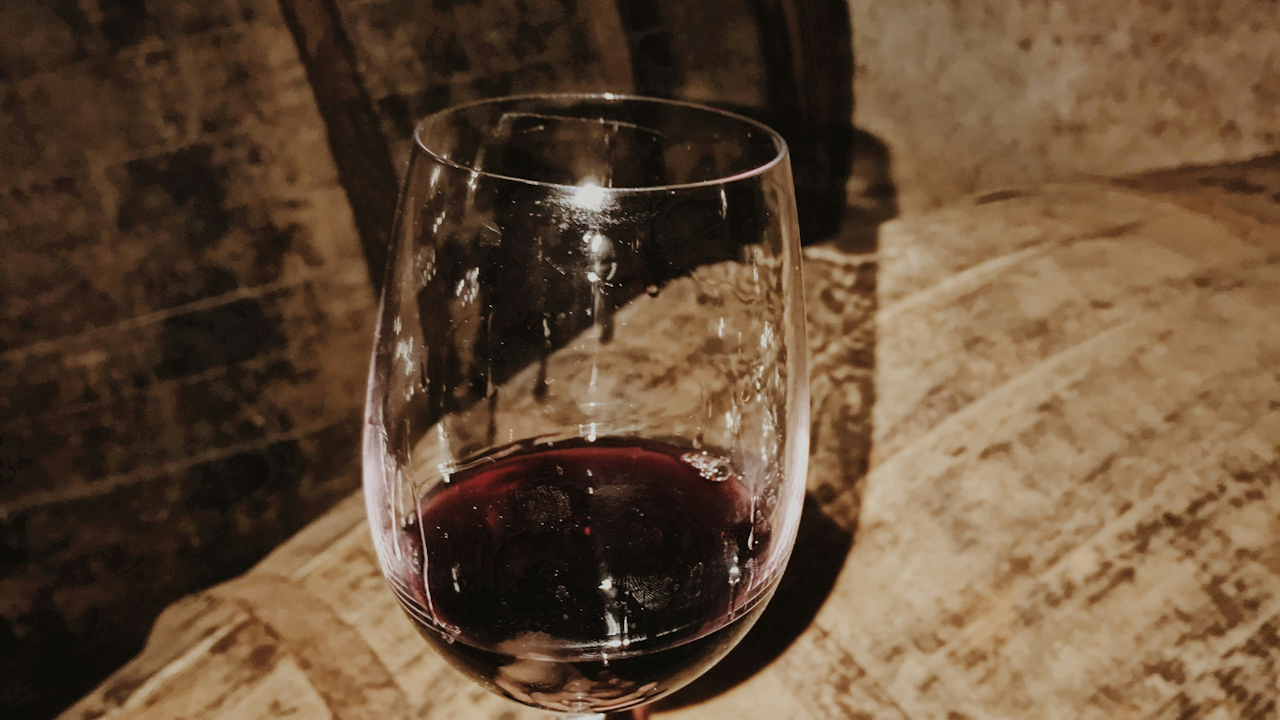
The Psychology Behind Wine Choices
Wine preferences are intricately tied to psychological factors that encompass personal taste, cultural influences, and social contexts. At the core of these preferences lie individual taste buds, which can vary significantly from person to person. Some individuals may favor the boldness of red wine, appreciating its complex flavors and tannins, while others might be drawn to the crispness of white wine or the refreshing qualities of rosé. This intrinsic divergence in flavor profiles aligns with how our taste experiences shape our overall wine selection.
Cultural background plays a pivotal role in wine choice as well. Societies around the world have distinct traditions surrounding wine consumption that influence an individual’s preferences. For instance, in regions known for producing exceptional red wines, individuals may develop a palate that favors these full-bodied varieties. Conversely, in areas where lighter wines are the norm, residents might gravitate towards whites and rosés, further reflecting how their cultural contexts inform their wine choices.
Social environments can significantly affect wine preferences, often leading to shifts in individual choices based on group dynamics and settings. A social gathering might prompt someone to opt for a specific wine that aligns with the group’s preferences or social norms, creating a sense of belonging. This phenomenon can sometimes lead to a preference for particular styles of wine, as individuals may associate certain types, be it red, white, or rosé, with specific social experiences or moods.
Moreover, psychological insights suggest that our choices in wine can reflect deeper aspects of our personalities and past experiences. For example, those who enjoy the richness of red wine may be more likely to be perceived as adventurous or assertive, while fans of white wine may be seen as refreshing and open-minded. Thus, understanding wine preferences involves examining how personal tastes, cultural influences, and social environments intertwine to create a rich tapestry of choices that define individual personalities.
Red Wine Enthusiasts: Bold and Passionate
Individuals who favor red wine are often characterized by traits such as passion, confidence, and a robust personality. Studies have revealed that these characteristics correlate strongly with the appreciation of red wine, which is frequently perceived as an intense and full-bodied choice. The bold flavors and deep hues of red wines, from Cabernet Sauvignon to Merlot, resonate with people who identify themselves as assertive and passionate. For many, selecting red wine embodies a deliberate choice, reflecting their bold approach to life and experiences.
Research conducted by wine experts has shown that red wine enthusiasts are more likely to engage in conversations about their wine selections with enthusiasm and knowledge, often expressing a desire to explore complex flavor profiles and pairing combinations. This inclination towards interaction is indicative of strong social skills, which aligns with the idea that these individuals thrive in environments where they can evoke their passionate nature. Social events often feature red wine prominently, symbolizing celebration and sophistication, which further reinforces its cultural significance.
Red wine’s longstanding history is also wrapped in cultural symbolism. For centuries, it has been regarded as a drink of sophistication and luxury, often associated with romantic dinners and festive gatherings. The art of savoring red wine during these occasions is embedded in traditions worldwide, highlighting the inherent confidence of its drinkers. Red wine enthusiasts may feel a sense of connection to global cultures, enhanced by the wine’s versatility in social settings. Their choice often represents more than just a beverage; it serves as a reflection of their personality traits, communal experiences, and appreciation for the finer aspects of life.
The White Wine Crowd: Elegant and Sophisticated
Individuals who favor white wine often embody a sense of elegance and sophistication, traits that are reflected in their choice of this beverage. White wine is commonly associated with freshness and lightness, which appeals to those who appreciate a refined palate. Such preferences may suggest a personality that values clarity and simplicity in both wine and lifestyle choices. For instance, enthusiasts of Chardonnay or Sauvignon Blanc may enjoy social gatherings that prioritize quality over quantity, indicating a preference for intimate settings that foster deeper connections.
In contrast to red wine drinkers, who may be perceived as bold and robust, white wine aficionados often exhibit a more delicate approach to life. This distinction can reveal insights into their social habits; white wine consumers may prefer sunlit outdoor picnics or sophisticated wine tastings in serene environments. These settings align perfectly with their desire for refreshing experiences that harmonize with their elegant tastes. Moreover, white wine drinkers are frequently seen as individuals who appreciate aesthetics, whether it pertains to their surrounding environments or the presentation of food and drink.
Testimonials from white wine lovers further illustrate this allure. One connoisseur noted, “I gravitate towards white wines because they remind me of warm summer days and light culinary pairings.” This statement encapsulates how the choice of wine mirrors broader lifestyle preferences, highlighting the importance of ambiance and mood. The desire for refreshment and subtlety in flavors is often a reflection of the drinker’s outlook on life, suggesting a personality that embraces elegance and a sophisticated lifestyle.
The connection between the choice of white wine and personality traits serves as a reminder that preferences extend beyond mere taste; they encapsulate a way of living and engaging with the world.
Rosé Lovers: Fun and Trendy
In recent years, the popularity of rosé wine has skyrocketed, transforming it from a niche option into a mainstream favorite among wine enthusiasts. This trend is particularly pronounced among younger generations, who often gravitate toward the characteristics associated with rosé: approachability, a sense of fun, and a trendy lifestyle. Rosé appeals not only for its taste but also for its vibrant and stylish image, establishing itself as a symbol of casual, carefree socializing.
Those who prefer rosé are commonly viewed as individuals who embrace a relaxed and enjoyable way of life. The light, refreshing qualities of rosé make it the perfect choice for a variety of social settings, whether it’s a picnic in the park, a rooftop gathering, or a beach party. The prevalence of this wine in such contexts signals the drinker’s desire to engage in effortless social interactions, where fun is prioritized over strict wine etiquette.
Moreover, the ascent of social media has played a significant role in the rose-wine phenomenon. Platforms like Instagram have facilitated the sharing of stunning visuals and experiences surrounding rosé, creating an attractive culture that resonates with a wide audience. The “rosé all day” trend has turned sipping on this wine into an emblem of contemporary leisure, appealing to diverse demographics seeking to connect through shared experiences.
As generational preferences evolve, the cultural significance of rosé continues to grow. Unlike traditional wine drinkers, who may prefer more classic varieties, the rosé enthusiast represents a shift towards modern, spirited choices. This signifies not only a change in taste but also a broader movement towards wines that symbolize personal values and social connections. Thus, for those who choose rosé, it is more than just a beverage; it embodies a lifestyle and community of enjoyment and trendiness.