

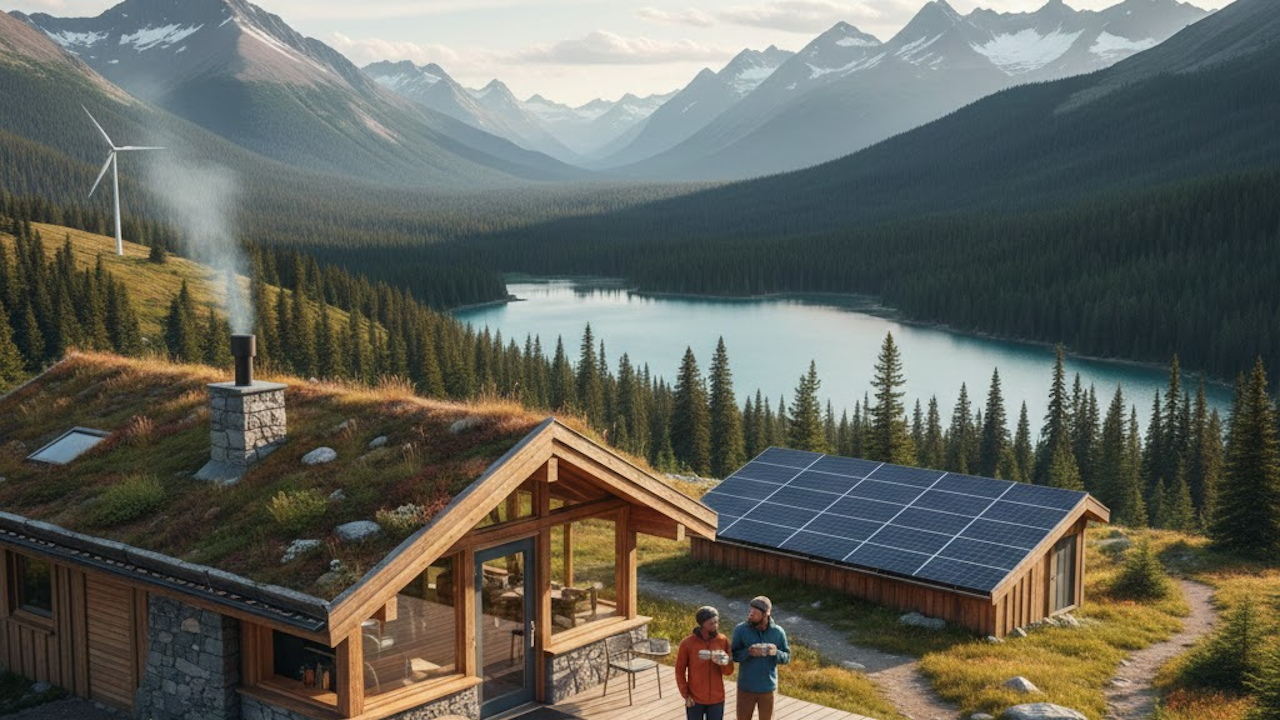
In an era defined by constant connectivity and urban hustle, the allure of off-grid retreats has never been stronger. As we navigate through 2026, a year marked by escalating burnout from digital overload and environmental concerns, more travelers are seeking solace in remote, self-sustaining escapes. These retreats offer a chance to unplug, recharge, and rediscover the rhythms of nature. No longer just for survivalists or eco-enthusiasts, off-grid living has evolved into a mainstream wellness movement. It combines simplicity with modern comforts, drawing in professionals, families, and adventurers alike who crave meaningful disconnection.
The shift toward off-grid retreats reflects broader travel trends this year. Wellness tourism is booming, with a focus on restorative experiences that prioritize mental and physical health over high-energy adventures. Travelers are ditching crowded hotspots for secluded cabins, wilderness lodges, and eco-friendly hideaways where silence reigns supreme. This isn’t about roughing it in the wild. Instead, it’s about intentional living: solar-powered shelters, rainwater harvesting, and nutrient-rich meals sourced from on-site gardens. In 2026, off-grid retreats represent a rebellion against the always-on culture, providing spaces where one can truly reset.
The Benefits of Going Off-Grid
Escaping to an off-grid retreat delivers profound benefits that extend beyond a mere vacation. At the core is mental restoration. In a world where screens dominate daily life, these retreats enforce a digital detox, allowing the mind to wander freely without notifications or emails. Studies and traveler reports highlight how time in nature lowers cortisol levels, improves mood, and enhances cognitive function. For many, it’s a remedy for burnout, which has reshaped travel preferences toward slower, more intentional journeys.
Physically, off-grid living encourages movement in natural settings. Hiking trails, cold plunges in glacial waters, or forest bathing sessions become daily rituals. These activities not only build resilience but also promote longevity, aligning with the rise of biohacking retreats that use science-backed methods like sleep optimization and nervous system regulation. Sustainability plays a key role too. By relying on renewable energy sources like solar panels and wind turbines, these retreats minimize environmental impact, appealing to eco-conscious travelers who want their getaways to contribute positively to the planet.
Socially, off-grid experiences foster deeper connections. Whether solo or in small groups, the absence of distractions encourages meaningful interactions. Some retreats incorporate community elements, such as shared saunas or group hikes, drawing from traditions like Nordic wellness practices. In 2026, this trend toward “hush-pitality” emphasizes quiet, remote settings where personal growth thrives amid solitude.
Emerging Trends in Off-Grid Retreats
2026 has seen off-grid retreats diversify, blending luxury with rugged authenticity. One prominent trend is “rugged luxury,” where travelers enjoy high-end amenities in remote locales. Think glamping tents with wood-fired hot tubs or overland vehicles equipped for wilderness adventures, all powered by sustainable tech. This appeals to those who want nature without sacrificing comfort, such as plush bedding in a forest cabin or gourmet meals from local foraged ingredients.
Biohacking has also surged, with retreats in secluded spots offering data-driven wellness. Guests might track sleep patterns in blackout cabins or engage in darkness therapies for mental clarity. These programs often occur in off-grid environments to enhance focus, using tools like wearable tech alongside natural elements like cold-water immersion.
Quiet and solo travel dominate as well. “Hush-pitality” involves stays in silent, device-free zones, from mountain cabins to floating safari camps. Solo trips allow for introspection, with activities like reading or stargazing under unpolluted skies. Meanwhile, regenerative travel emphasizes giving back, such as participating in conservation efforts at eco-lodges.
Sustainability remains central. Many retreats now feature zero-waste designs, permaculture gardens, and renewable energy systems. This aligns with the global push for eco-friendly tourism, projected to grow significantly as travelers prioritize planet-positive experiences.
Popular Off-Grid Destinations in 2026
The world abounds with off-grid havens, each offering unique landscapes and experiences. In Africa, Lesotho stands out for its mountainous isolation, where travelers can hike remote trails and stay in solar-powered rondavels, immersing in Basotho culture away from crowds. Nearby, South Africa’s Tswalu reserve provides luxurious eco-camps focused on wildlife conservation and wellness treatments.
In Europe, Scotland’s Torridon offers “Wellness Without Walls” programs with guided hikes and loch plunges in the Northwest Highlands. For a Nordic twist, Sweden’s floating safari camps allow drifting on pristine waters, complete with saunas and kayaking. Morocco’s Tetouan provides a cultural off-grid escape, with stays in traditional riads amid ancient medinas.
Asia beckons with Vietnam’s Con Son island, a former prison turned tranquil retreat, featuring beaches and hiking without mass tourism. India’s Nagaland offers tribal immersion in off-grid homestays, while Bhutan promotes slow travel in secluded Himalayan lodges.
In North America, Canada’s Yukon Territory excels in “hush-pitality” with dog-sledding expeditions to remote cabins under the aurora. The U.S. boasts spots like Oregon’s Sky Cave Retreats for darkness therapies in wilderness preserves. Florida’s off-grid options include yoga and wellness centers in natural settings, while Georgia’s Blue Ridge Mountains provide cabin rentals amid waterfalls and lakes.
For extreme remoteness, Alaska’s Chugach Mountains or Hawaii’s Big Island offer volcanic landscapes and stargazing safaris. These destinations cater to varying budgets, from affordable glamping to ultra-luxury eco-resorts.
Technologies Powering Off-Grid Living
Modern off-grid retreats rely on innovative technologies to ensure comfort and sustainability. Solar panels and batteries provide reliable energy, even in cloudy regions, powering everything from lights to charging stations. Rainwater catchment systems, often with filtration, supply clean water, while composting toilets reduce waste.
Propane or wood stoves handle heating and cooking, supplemented by efficient insulation in cabins. Some retreats incorporate smart tech for minimal impact, like AI-monitored energy use, though the emphasis remains on low-tech simplicity. Earth-integrated designs, such as geodomes or tiny homes, blend seamlessly with nature, offering resilience against weather.
Planning Your Off-Grid Escape
To embark on an off-grid retreat, start by assessing your comfort level. Beginners might opt for guided experiences with basic amenities, while seasoned adventurers seek fully self-reliant spots. Research operators like Unplugged or Hiide for curated digital detoxes.
Pack essentials: layered clothing, reusable water bottles, and biodegradable toiletries. Check for accessibility, as many require hikes or off-road travel. Budget varies; entry-level stays start at $200 per night, while luxury options exceed $1,000.
Consider seasons: Summer for mild weather, winter for aurora viewing. Book early, as demand surges in 2026.
Challenges and How to Overcome Them
Off-grid life isn’t without hurdles. Isolation can feel daunting; prepare mentally with mindfulness practices. Weather extremes demand sturdy gear and flexibility. Limited medical access means carrying first-aid kits and informing loved ones of your itinerary.
Sustainability challenges, like water shortages, require conservation. Embrace them as part of the experience, turning potential discomforts into growth opportunities.
The Future of Off-Grid Retreats
Looking ahead, off-grid retreats will likely expand, driven by climate awareness and wellness demands. Innovations in renewable tech will make them more accessible, while community-focused models, like rematriation villages, emphasize cultural and ecological healing.
In 2026 and beyond, these escapes aren’t just vacations. They are pathways to balanced living, reminding us that true luxury lies in simplicity and connection to the earth. Whether in a mountain cabin or desert yurt, off-grid retreats invite us to step away, breathe deeply, and return renewed.