

Non-Fungible Tokens, or NFTs, have captured the world’s attention since their explosive rise in popularity around 2021. Initially synonymous with digital art and collectibles, such as profile pictures or pixelated images fetching millions at auctions, NFTs represented a new way to own and trade unique digital assets on blockchain networks. However, as the technology has matured into 2025, the narrative has shifted dramatically. No longer confined to speculative art markets, NFTs are proving their value in practical, everyday applications across various industries. This evolution stems from their core attributes: uniqueness, immutability, and verifiability, all powered by blockchain technology. These features allow NFTs to represent ownership, authenticity, and access in ways that traditional systems cannot match.
In this article, we explore the diverse real-world use cases of NFTs beyond the realm of art. From transforming gaming economies to securing supply chains and enabling fractional ownership of physical assets, NFTs are integrating into sectors that touch billions of lives. Drawing on recent developments and examples from 2025, we will examine how this technology is driving efficiency, transparency, and innovation. While challenges like scalability and regulatory hurdles remain, the potential for NFTs to reshape industries is undeniable.
Gaming and Virtual Worlds
One of the most prominent areas where NFTs have found robust utility is in gaming and virtual worlds. In traditional video games, players often invest time and money into acquiring items like weapons, skins, or characters, only to have them locked within a single game’s ecosystem. NFTs change this dynamic by granting true ownership, allowing players to buy, sell, or trade these assets across platforms.
Blockchain-based games, often referred to as play-to-earn models, exemplify this shift. Players can earn NFTs through gameplay, which hold real-world value. For instance, in games like Axie Infinity or The Sandbox, users own digital creatures, land parcels, or tools as NFTs. These can be traded on marketplaces such as OpenSea or Blur, creating vibrant secondary markets. In 2025, this has evolved further with interoperability, where an NFT weapon from one game can be used in another compatible virtual world, fostering a metaverse economy.
Virtual land ownership is another key application. Platforms like Decentraland enable users to purchase plots of digital real estate as NFTs, which they can develop, rent out, or sell. This mirrors real-world property investment but with lower barriers to entry. Benefits include decentralized ownership verified by blockchain, reducing disputes and enabling seamless transfers via smart contracts. As gaming integrates more with augmented reality in 2025, NFTs are also tying into physical experiences, such as exclusive in-game events linked to real-world merchandise.
The economic impact is significant: play-to-earn ecosystems have created income opportunities, especially in developing regions, where players monetize their virtual assets. However, this sector faces issues like market volatility, where NFT values can fluctuate based on game popularity.
Real Estate and Tokenized Assets
NFTs are revolutionizing real estate by enabling the tokenization of physical and virtual properties. Tokenization involves representing ownership of an asset, such as a building or land, as an NFT on the blockchain. This makes high-value investments more accessible through fractional ownership, where multiple people can own shares of a property without needing to buy the entire asset.
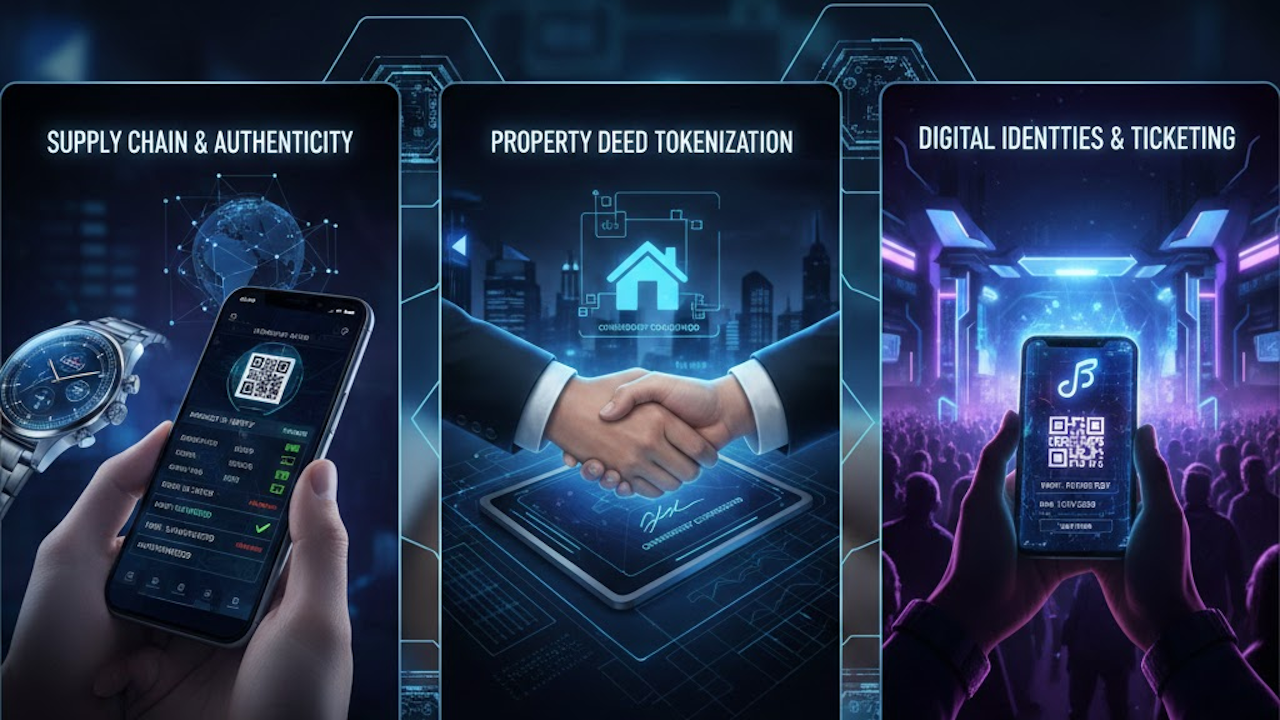
In physical real estate, NFTs streamline title transfers and reduce paperwork. For example, property deeds can be tokenized, allowing instant verification of ownership and history. Platforms in 2025 are using NFTs to facilitate fractional investments in commercial buildings or residential homes, lowering the entry barrier for investors. Blockchain ensures transparent records, minimizing fraud and speeding up transactions that traditionally take weeks.
Virtual real estate follows a similar model but within metaverses. Users buy NFT-backed land in digital worlds, which can appreciate in value as the platform grows. Beyond virtual spaces, NFTs are linking to real-world assets like cars, condos, or even parking spots, turning illiquid items into tradable ones. This enhances liquidity, as owners can sell fractions globally without intermediaries.
The advantages are clear: reduced transaction costs, increased efficiency, and broader access. In 2025, regulatory frameworks in regions like the EU are supporting this trend, with tokenized real estate markets projected to grow substantially. Yet, challenges include valuation consistency and legal recognition of NFT ownership in physical assets.
Music and Entertainment
The music industry is leveraging NFTs to empower artists and engage fans in novel ways. Traditionally, musicians rely on labels and streaming platforms for revenue, often receiving minimal shares. NFTs offer a direct-to-fan model, where artists tokenize albums, tracks, or exclusive content.
For instance, limited-edition songs can be sold as NFTs, granting buyers ownership and perks like backstage access or royalties from resales. In 2025, platforms allow fans to co-own music rights, fostering community-driven funding. This creates ongoing revenue streams through smart contracts that automate royalty payments whenever the NFT is traded.
Beyond music, NFTs are used in entertainment for fan experiences. Tokenized memberships provide access to private livestreams, virtual meet-and-greets, or collaborative projects. The technology combats piracy by proving ownership of intellectual property, ensuring creators are compensated fairly.
This shift democratizes the industry, reducing reliance on intermediaries and building stronger artist-fan relationships. As Web3 tools advance, NFTs are integrating with AI for dynamic content, such as evolving music tracks based on listener interactions.
Ticketing and Events
Counterfeit tickets and scalping have long plagued the events industry. NFTs address these by serving as secure, tamper-proof digital tickets. Each NFT is unique and verifiable on the blockchain, preventing duplication and enabling organizers to set resale rules, such as price caps or royalties.
In practice, an NFT ticket for a concert not only grants entry but can evolve into memorabilia, unlocking post-event content like recordings or merchandise discounts. Platforms in 2025 use smart contracts to automate access, scanning NFTs via apps for seamless entry.
This reduces fraud, enhances fan experiences, and generates additional revenue for organizers. For large-scale events like sports games or festivals, NFTs enable dynamic pricing and loyalty rewards. The portability means tickets can be transferred securely without third-party fees.
Adoption is growing, with major venues experimenting with NFT ticketing to improve transparency and efficiency.
Identity and Credentials
NFTs are transforming how we manage identity and credentials in a digital age. Traditional systems rely on centralized authorities, making them vulnerable to breaches. NFTs offer decentralized, user-controlled solutions.
For example, universities issue diplomas as NFTs, allowing graduates to prove qualifications instantly without paper documents. These “soulbound” NFTs are non-transferable, tying credentials to the owner’s wallet for life. In professional settings, NFTs represent licenses or certifications, verifiable by employers via blockchain.
Digital identity extends to online interactions, where NFTs prove membership in communities or access rights without revealing personal data. This enhances privacy and reduces identity theft. In 2025, protocols like Gitcoin Passport use soulbound tokens (SBTs) for reputation scoring in DAOs, preventing sybil attacks.
Benefits include tamper-proof records and easy sharing, but privacy concerns and standardization are ongoing issues.
Supply Chain and Authenticity
Supply chains benefit immensely from NFTs’ traceability. By linking products to NFTs, companies create an immutable record of origin, manufacturing, and distribution.
In luxury goods, NFTs verify authenticity; scanning a handbag’s NFT reveals its history, combating counterfeits. Pharmaceuticals use this for drug provenance, ensuring safety. Food industries track items from farm to table, improving transparency.
Blockchain enables real-time verification, reducing losses from fakes and enhancing consumer trust. In 2025, integrations with IoT devices automate updates to NFT records.
Loyalty and Rewards Programs
Brands are using NFTs for advanced loyalty systems. Instead of points, customers receive NFTs granting discounts, early access, or exclusive events.
These tokens can evolve based on user actions, fostering engagement. Smart contracts enforce perks, making programs fraud-resistant.
Decentralized Finance (DeFi)
In DeFi, NFTs serve as collateral for loans, with platforms like NFTfi automating terms. They represent complex positions, like liquidity pools.
This expands access to finance, but valuation challenges persist.
Fashion and Luxury Goods
Fashion brands issue NFTs as authenticity certificates for items. Digital wearables for metaverses blend physical and virtual.
Education and Intellectual Property
NFTs tokenize courses or IP, automating royalties.
Other Emerging Use Cases
Dynamic NFTs evolve with data, used in AI-DeFi or on-chain gaming. DAOs use them for governance.
Invisible utilities, like warranties or subscriptions, integrate seamlessly.
Conclusion
As we stand at the end of 2025, NFTs have transcended their art origins to become foundational tools for digital ownership and efficiency. From gaming economies to secure identities, their applications solve real problems across industries. While speculation lingers, utility-driven models promise sustainable growth. Future advancements, including better scalability and regulation, will unlock even more potential. NFTs are not just assets; they are enablers of a decentralized world.