

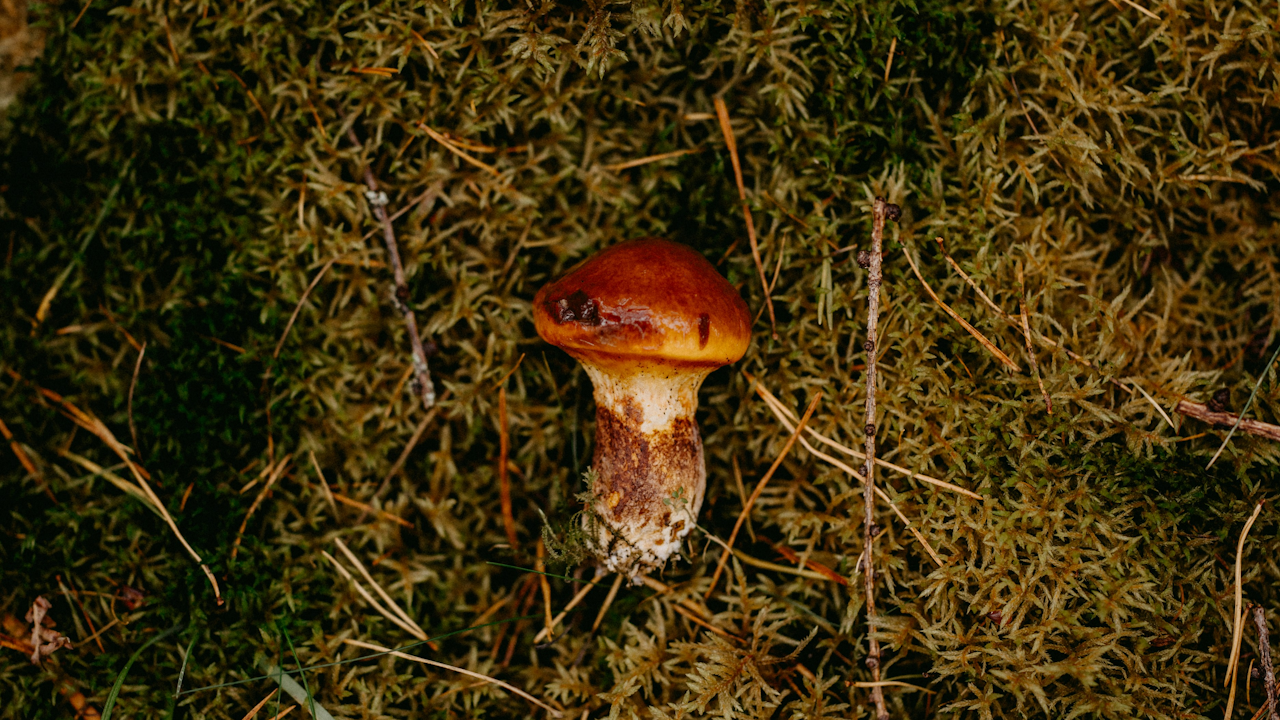
Mushrooms have stepped into the spotlight of modern cuisine and nutrition with remarkable speed. Once relegated to side dishes or mysterious forest finds, fungi now command attention from chefs, health enthusiasts, scientists, and everyday cooks. Their earthy flavors, unique textures, and impressive health credentials have fueled what many call Mushroom Mania. This surge reflects deeper shifts in how people think about food: seeking sustainable options, nutrient density, and exciting sensory experiences all at once.
The rise is visible everywhere. Grocery stores dedicate larger sections to fresh and dried varieties. Restaurants feature mushroom-forward dishes on tasting menus. Food manufacturers incorporate mushroom powders into snacks, coffees, and protein bars. Even major meat producers explore fungal blends for burgers and sausages. This is not a fleeting trend but a convergence of flavor innovation, environmental necessity, and scientific discovery.
A Brief History of Human-Fungi Relations
Humans have interacted with mushrooms for thousands of years. Ancient Egyptians considered them food for royalty. Chinese texts from over 2,000 years ago praised certain species for vitality and longevity. Indigenous cultures across continents used fungi for food, medicine, and rituals. European folklore mixed reverence with caution, given the toxicity of some wild varieties.
In the 20th century, cultivation scaled up. Button mushrooms became a staple in Western diets after successful commercial farming in the United States and Europe. Yet it took recent decades for broader appreciation to bloom. Advances in mycology, the scientific study of fungi, revealed their complex biology and potential. Today, global production exceeds 40 million tons annually, with China leading as the dominant grower. Species once obscure, such as lion’s mane, reishi, and oyster mushrooms, now appear in mainstream markets.
Nutritional Powerhouses
Mushrooms earn superstar status through their nutrient profiles. Low in calories yet high in essential compounds, they deliver substantial value. A typical serving of crimini or portobello mushrooms provides significant B vitamins, including riboflavin, niacin, and pantothenic acid, which support energy metabolism. They contain selenium, an antioxidant mineral important for thyroid function and immune health. Many varieties supply vitamin D, especially when exposed to sunlight or ultraviolet light during growth, addressing a common dietary shortfall.
Fiber content stands out. Beta-glucans, a type of soluble fiber in mushrooms, help regulate cholesterol and blood sugar. Ergothioneine, a unique antioxidant, protects cells from oxidative stress and appears in higher concentrations in mushrooms than in most other foods. Protein levels vary but can reach 20 to 30 percent of dry weight in certain species, making them useful for plant-based diets. Unlike many vegetables, mushrooms offer a savory umami taste from glutamate and nucleotides, satisfying cravings without excess salt or fat.
Culinary Versatility
Chefs celebrate mushrooms for their chameleon-like qualities. They absorb flavors while contributing their own. Sautéed in butter with garlic and herbs, they become a simple luxury. Grilled portobellos serve as hearty burger substitutes. Lion’s mane shreds resemble crab or lobster when prepared in seafood-style dishes. Shiitake caps crisp up beautifully when roasted. Enoki clusters add crunch to stir-fries.
Dried mushrooms introduce concentrated intensity. Soaking them releases rich broths ideal for risottos, soups, and sauces. Mushroom powder, made from ground dried specimens, seasons everything from popcorn to steak rubs. Fermentation expands possibilities. Kombucha-like drinks and miso-style pastes made from fungi appear on innovative menus.
Texture plays a starring role. The meaty bite of king oyster stems mimics scallops. Maitake’s feathery clusters provide visual drama. Puffball slices fry like eggplant. This range allows mushrooms to anchor vegetarian and vegan meals without apology. Restaurants now host entire tasting series built around fungal ingredients, proving their sophistication.
Environmental Advantages
Sustainability drives much of the current enthusiasm. Mushrooms grow quickly on agricultural byproducts such as straw, sawdust, coffee grounds, and corn cobs. They require minimal land, water, and sunlight compared to traditional crops or livestock. Vertical farming setups in urban areas further reduce transportation emissions.
Fungi excel at bioremediation. Certain species break down pollutants, plastics, and even petroleum compounds. Mycelium, the underground network of thread-like structures, forms the basis for packaging materials that decompose naturally. Companies produce mushroom-based leather alternatives and foam insulators, extending impact beyond the plate.
Compared to beef production, mushroom cultivation emits a fraction of greenhouse gases. It sequesters carbon during growth phases and supports soil health when spent substrate returns to fields. In a world grappling with climate change and resource limits, fungi offer practical solutions for feeding populations efficiently.
Medicinal and Functional Benefits
Beyond basic nutrition, mushrooms contain bioactive compounds studied for therapeutic effects. Reishi mushrooms, often called the mushroom of immortality in traditional systems, contain polysaccharides and triterpenes linked to immune modulation and stress reduction. Turkey tail extracts feature in research on gut microbiome support and adjunct cancer therapies. Lion’s mane stimulates nerve growth factor production, drawing interest for cognitive health and potential roles in neurodegenerative conditions.
Cordyceps species, once harvested from insects in the wild, now cultivated on grains, show promise for energy and athletic performance through improved oxygen utilization. Chaga, growing on birch trees, packs high antioxidant levels. Modern supplements standardize these extracts, though experts emphasize whole-food consumption for synergistic benefits.
Research continues, with clinical trials exploring anti-inflammatory, antiviral, and cholesterol-lowering properties. While not miracle cures, mushrooms complement balanced lifestyles and medical care. Their functional food status appeals to consumers seeking natural performance enhancers and preventive health strategies.
Cultivation and Accessibility
Growing mushrooms at home has surged in popularity. Kits for oyster and lion’s mane varieties allow beginners to harvest within weeks. Urban farms convert basements and warehouses into productive spaces using controlled humidity and temperature. This democratizes access and reduces reliance on long supply chains.
Commercial operations range from small organic farms to high-tech facilities with automated harvesting. Genetic selection improves yields and disease resistance without heavy chemical inputs. Foragers still hunt wild morels, chanterelles, and porcini in season, but safety education stresses proper identification to avoid toxic look-alikes.
Challenges remain. Pests, mold contamination, and climate variability affect yields. Labor-intensive harvesting for delicate species keeps prices higher than many vegetables. Yet innovation, including robotic pickers and substrate optimization, addresses these hurdles.
Industry Innovations and Market Trends
Food companies integrate mushrooms creatively. Blended burgers combine ground beef with chopped mushrooms to reduce fat and calories while maintaining juiciness. Plant-based steaks use mycelium for fibrous texture. Mushroom jerky offers chewy snacks with bold seasonings. Coffee and chocolate brands add adaptogenic extracts for focus or calm.
The global mushroom market expands rapidly, projected to reach tens of billions in coming years. Functional beverages, pet foods, and skincare lines extend the category. Celebrity chefs and influencers showcase recipes, normalizing exotic varieties. Schools and community programs teach cultivation to promote food literacy and local resilience.
Potential Drawbacks and Considerations
Enthusiasm should pair with realism. Some wild mushrooms accumulate heavy metals from polluted soils. Cultivated varieties generally prove safer. Allergies, though rare, occur. High purine content in certain species may concern people with gout. Overharvesting of wild populations threatens ecosystems, underscoring the value of cultivated sources.
Sustainability claims require scrutiny. Not all operations use waste substrates or practice regenerative methods. Consumers benefit from supporting transparent producers.
Looking Ahead
Mushroom Mania shows no signs of fading. Advances in biotechnology may unlock new species or enhanced traits. Space exploration research examines fungi for food production in closed environments. Culinary artists continue pushing boundaries with fermentation, dehydration, and molecular techniques.
As populations grow and environmental pressures mount, fungi position themselves as essential allies. They bridge the gap between indulgence and responsibility, pleasure and health. Home cooks experiment with confidence, knowing a handful of mushrooms can elevate simple ingredients into memorable meals.
The next time you slice into a plump portobello or stir fragrant shiitake into a broth, recognize the quiet revolution underway. Fungi have always thrived in the background of ecosystems, decomposing and recycling. Now they step forward as food’s new star, illuminating paths toward more delicious, nourishing, and sustainable eating. The mania feels justified. The future of food looks decidedly fungal.